Stand on the boulevard along Av. Paseo Colon and the Bay of Pozuelos opens out in front of you, with the Holy Cross that serves as the city's symbol marking the waterfront. Behind you, the streets climb away toward the Coastal Mountains, and out past the harbour lie the islands of Mochima National Park.
Puerto La Cruz suits travellers who want a working Venezuelan port city as a base rather than a resort: a place to eat well, walk a long seafront, and take boats out to beaches that have no road access. It also works for anyone heading onward to Isla Margarita or Barcelona, since the ferry terminal and the regional airport are both within reach.
This guide covers the sights within the city, the viewpoints and fort on the Lechería peninsula, and the beaches and islands reached by boat from the harbour. It sticks to places that can be named and planned around, and leaves the rest for you to discover on the ground.
Top things to do in Puerto La Cruz
1. Mochima National Park
The park is the main reason many visitors come here. It combines a mainland portion with 32 islands, and its arid, scrub-like topography hides dolphins, monkeys and secluded beaches. The city sits at its edge, so the park is not a day trip so much as the water on your doorstep.
Most of the park can only be reached by boat, and Puerto La Cruz harbour is one starting point for arranging this through the various tour operators based there. Note that some beaches can also be reached from Lechería, which gives you a second option if the harbour boats are full.
2. Paseo Colon
Almost all of this avenue borders the Bay of Pozuelos, and it carries a boulevard where the Holy Cross, the symbol of the city, is situated. Known hotels are established along the same stretch, which makes it the natural place to base yourself.
Walk it in the late afternoon, when the light on the bay is at its best, and combine it with a look at the Holy Cross on the boulevard. It is also the easiest orientation point in the city before you branch off into the grid of avenues behind it.
3. Mirador El Morro
This vantage point sits on the arid Isla El Morro peninsula and is marked by a Virgin Mary monument. From it you can see the Venezuelan mainland and some of the islands of Parque Mochima. It is open daily from 04:00 to 21:00.
From the mirador you can walk out to the tip of the peninsula, ride a bike on the various trails, visit El Morro beach below, or simply take in a sunrise or sunset. Go early or late for the light, and give yourself time on the trails rather than treating it as a quick photo stop.
4. Fortin Doña Magdalena
Also known as El Morro de Lechería, this is a fort built by colonial Spain around 1799 to defend against English, French and Dutch intruders and pirates seeking to pillage the new colony of Barcelona or occupy this prized location next to the Neveri River. The grounds are somewhat interesting, and the views and photo opportunities are worthwhile.
Pair it with Mirador El Morro, since both sit on the same peninsula. It is better not to hang out here for too long after dark.
5. Playa Puinare
This beach sits on Chimana Grande Island and requires marine transport to reach. It is one of the park beaches that rewards the effort of arranging a boat.
Sort your transport before you commit to the day, and treat the crossing as part of the outing rather than dead time. Combine it with the other island beaches if your operator offers a multi-stop route.
6. Playa Punta La Cruz
A pretty and alluring beach that forms part of Parque Nacional Mochima, and like the island beaches it requires taking a boat to reach. Paraiso Angostura Tours is one possible transport option.
Because access is by water, plan around the boat rather than around the clock, and confirm your return time before you settle in for the day.
7. Playa Muerta
The name translates as Beach of Death, which is not the most inviting introduction, but this is a popular beach and a good place to watch the sunset.
Come for the late afternoon rather than the middle of the day, and stay for the light. It works well as the close of a beach day rather than the start of one.
8. Andres Eloy Blanco Park
One of the named places of interest within the city, and a straightforward stop if you are already moving between the centre and the waterfront.
Fold it into a walk along the city's avenues rather than making a special journey, and use it as a pause between the bay and the streets behind it.
9. Laguna Natural Maguey
A natural lagoon listed among the city's places of interest, and one of the few inland sights that gives you a break from the salt water and the streets.
Combine it with Andres Eloy Blanco Park if you are working through the city's own sights in a single loop.
10. La Toma, San Diego Sector
La Toma in the San Diego Sector is named among the city's places of interest. It is a local stop rather than a headline attraction, which makes it a reasonable way to see a part of the city beyond the seafront.
Go with a clear idea of how you are getting back, and pair it with the other city sights rather than building a day around it alone.
11. Club Terminal Guaraguao
Listed among the places of interest in the city, this sits in the Guaraguao area, where the terminal for the export and import of crude oil processed at the city's refinery is also located.
Treat it as a stop on a wider circuit of the city rather than a destination in itself, and combine it with the waterfront sights on the same side of town.
12. Playa El Faro, Los Chimanas, Cachicamo and Isla Borracha
Day trips are available from the city to these national park islands, which makes them the simplest way to see the park if you would rather not arrange a boat yourself.
Book through one of the operators rather than turning up at the water and hoping. The private marina to the east of the city caters for tourists and visitors, and is the other point of departure worth knowing about.
13. Isla de Plata, Playa Conoma, Isla Arapo and Playa Arapito
These are among the beaches of Mochima National Park that surround the city and are known for their beauty. They sit in the same island and coastal group as the other park beaches.
If you are choosing between boat days, ask which of these your operator actually stops at, and combine two or three in one outing rather than paying for separate crossings.
14. Playa Colorada
Roughly 30 minutes along the coast, this is a famous Venezuelan beach that appears in many of the guide books, and it is a good location to learn Spanish. Jakera runs a Spanish school at Playa Colorada.
If you want to combine beach time with lessons, this is the place to do it. Otherwise it makes an easy change of scene from the city beaches.
If you only have one day
Morning: Start early at Mirador El Morro on the Isla El Morro peninsula, while the light is still low and the heat has not built. Walk out to the tip, then visit El Morro beach below the mirador. On the same peninsula, stop at Fortin Doña Magdalena for the views and the colonial remains.
Afternoon: Return to the city and take a boat from Puerto La Cruz harbour into Mochima National Park. Pick one or two of the park beaches, such as Playa Punta La Cruz or Playa Puinare, rather than trying to cover them all, and confirm your return time with the operator before you set off.
Evening: Walk Paseo Colon along the Bay of Pozuelos as the day cools, and find the Holy Cross on the boulevard. Finish at Playa Muerta for the sunset, which is what this beach is best known for.
Frequently asked questions
How do I reach the beaches of Mochima National Park?
Most of the park requires marine transportation. Puerto La Cruz harbour is one origin for securing this through the various tour operators based there, and the beaches on the park islands may also be reached from Lechería. Day trips to islands such as Playa El Faro, Los Chimanas, Cachicamo and Isla Borracha are available.
Does Puerto La Cruz have its own airport?
No. The city does not have its own airport and uses Generál José Antonio Anzoátegui International Airport, in the nearby city of Barcelona.
Can I get to Isla Margarita from Puerto La Cruz?
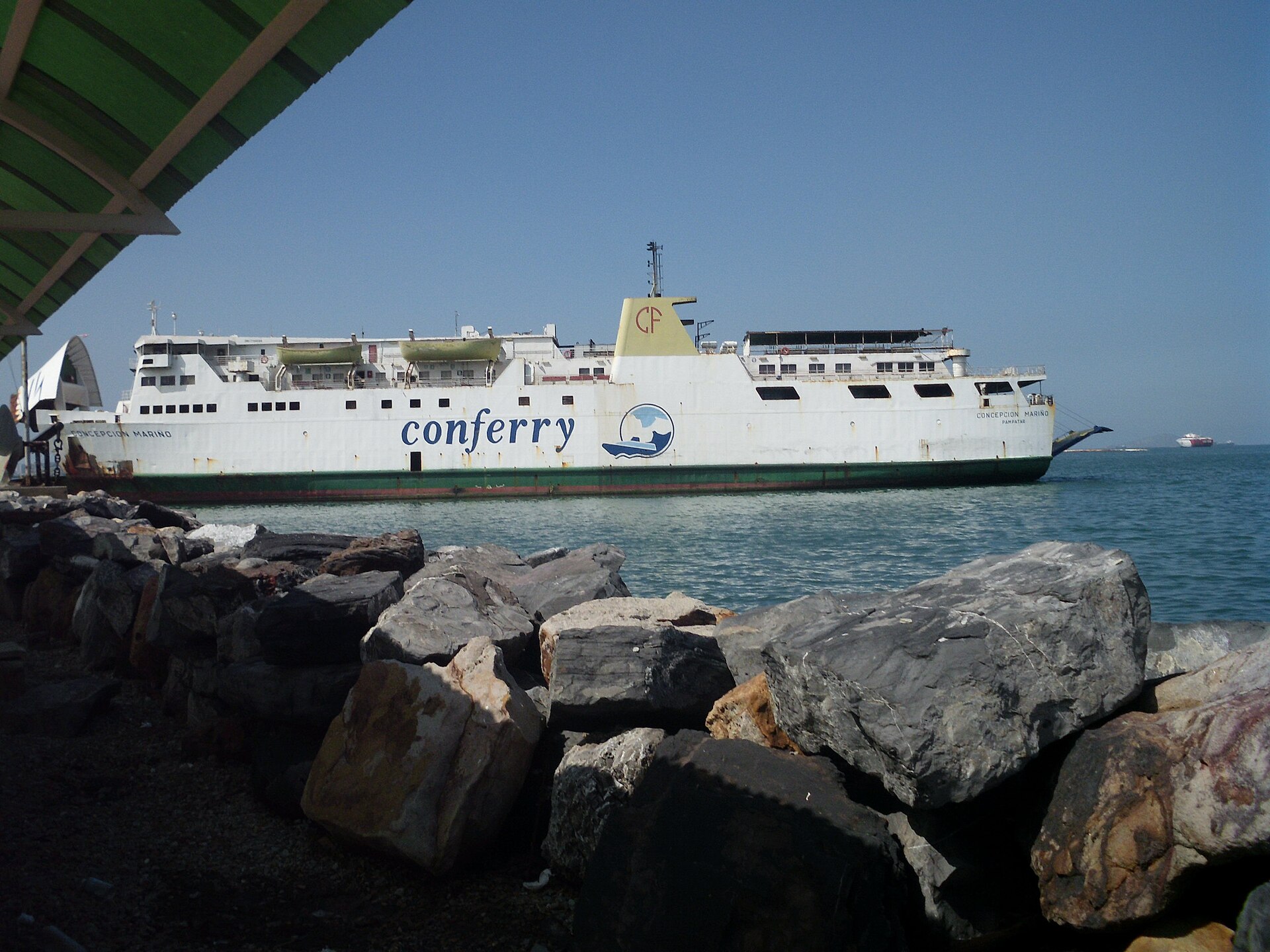
Yes. To the west of the city is the terminal of one of the main ferry lines linking Isla Margarita with the mainland. Margarita Island can be reached by the transport service operated by Conferry and Gran Cacique Express.
Where can I learn Spanish while I am here?
Playa Colorada, about 30 minutes along the coast, is a good location to learn Spanish, and Jakera runs a Spanish school there. It is also a well-known Venezuelan beach in its own right.
Decide which boat day you want first, then build the rest of your time around the waterfront and the peninsula, and you will have a workable plan before you land.