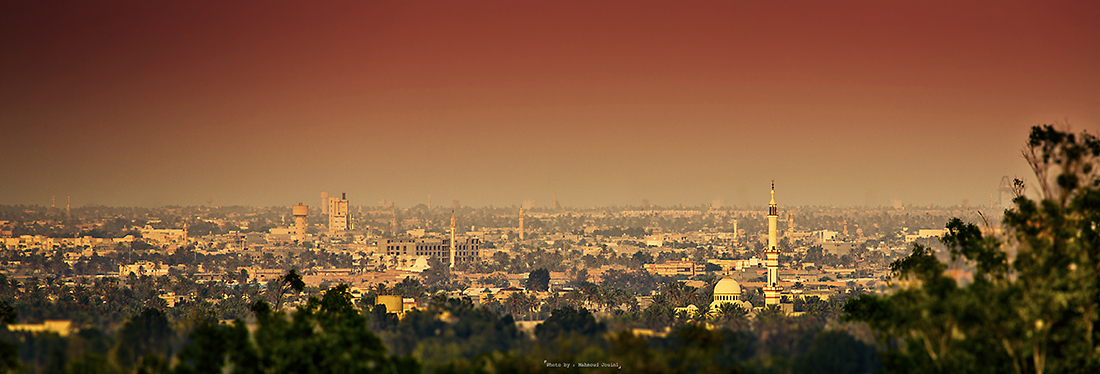
Stand on the corniche road along the Mediterranean at Misrata and you are looking at a working port city, not a resort strip. The harbour lies at Qasr Ahmad, the trade that built the place still moves through it, and the streets behind the waterfront carry the marks of a long merchant history rather than a curated tourist trail.
Misrata suits travellers who are already in Libya and want to understand a city that has been a caravan supply centre, a carpet-making town and a Mediterranean port in turn. It rewards curiosity and patience more than it rewards a checklist.
This guide covers the sights and experiences the sources support, followed by a plan for a single day.
Top things to do in Misratah
1. Raidat Mosque
Raidat Mosque is the principal religious sight named for visitors to the city. It is the kind of place to visit quietly, on foot, as part of a walk through the surrounding streets rather than as a standalone stop.
Pair it with a wander through the city centre, where the shop-lined streets and market buildings of the late nineteenth-century construction boom still shape the layout. Dress modestly and time your visit outside prayer times.
2. Misrata National Theater
The Misrata National Theater is the city's named venue for performance, and it is worth checking what is on during your stay rather than simply passing the building. A night here gives you a sense of the city's cultural life that the streets alone will not.
Ask locally about the programme before you go, since performances are not continuous. It works well as an evening counterpart to a daytime walk through the centre.
3. The corniche and the Mediterranean waterfront
Misrata sits on the Mediterranean coast near Cape Misrata, and the waterfront is where the city's maritime character is easiest to read. The harbour itself is at Qasr Ahmad, and the coast is the reason the city exists as a trading point at all.
Walk in the late afternoon, when the light softens and the heat drops. This is a good place to start a visit, because it frames everything else you will see inland.
4. The old market streets and covered produce market
In the late nineteenth century Misrata gained a covered produce market and numerous streets lined with shops, built as the city expanded. Those market streets remain the best way to see how the city trades day to day.
Go in the morning, when the produce is freshest and the streets are busiest. Combine the walk with the surrounding district and municipal buildings from the same period.
5. The old city core and its Turkish-style houses
The same construction boom produced several Turkish-style houses for the city's wealthy families, along with a renovated Ottoman army barracks. These buildings are the clearest surviving expression of Misrata's Ottoman-era prosperity.
Look for them while walking the centre rather than seeking them out individually. The value is in the streetscape as a whole, so give yourself an unhurried hour.
6. The agricultural belt around the city
Misrata's rainfall along the coast, supplemented by springs, allowed unusually fertile farming in an otherwise arid region. The surrounding countryside carried fields of wheat, barley, date palms and olive orchards, and the city itself was filled with thick areas of vegetable gardens.
If you have transport and a local contact, a drive out to see the farmland gives context to the markets you walked through in town. Go early, before the midday heat.
7. The carpet and artisan tradition
Misrata established itself as one of Libya's oldest producers of luxury carpets, and its artisans expanded on that industry over the centuries. It is a craft tradition rather than a single address, so the way to engage with it is through the city's workshops and traders.
Ask at your accommodation or at the market about where weaving and textile work is still done. This pairs naturally with a morning in the market streets.
8. The caravan and trans-Saharan trade heritage
Misrata was a caravan supply centre and an important port from the seventh century, and by the early nineteenth century it was a major stop on the trans-Saharan route, where caravans carrying gold, leather and slaves regularly stopped. Merchant traders from Misrata were well known throughout the Sahara during the years of the Caliphate.
There is no single monument to this history, so read the city through its market and port geography instead. The waterfront and the market streets together tell the story best.
If you only have one day
Morning: Start at the old market streets and the covered produce market, when the produce is fresh and the streets are at their busiest. Continue on foot through the old city core to see the Turkish-style houses and the period government buildings.
Afternoon: Visit Raidat Mosque, then take the corniche and the Mediterranean waterfront as the light softens and the heat drops. If you have transport and a local contact, this is the window for a short drive into the agricultural belt around the city.
Evening: Check what is on at the Misrata National Theater and spend the evening there if a performance is scheduled. If not, return to the market streets and the centre for an evening walk.
Frequently asked questions
Where is Misratah?
Misratah is a city in northwestern Libya, in the Misrata District, on the Mediterranean coast near Cape Misrata. Its harbour is at Qasr Ahmad.
What is there to see in the city itself?
The named sights are Raidat Mosque and the Misrata National Theater. Beyond those, the city's interest lies in its market streets, its old city core with Turkish-style houses and Ottoman-era buildings, and its Mediterranean waterfront.
Why did Misratah become an important city?
It sat at the crossroads of many convoys, served as a caravan supply centre and port from the seventh century, and by the early nineteenth century was a major stop on the trans-Saharan trade route. Its coastal rainfall and springs also allowed unusually fertile agriculture in a largely arid region.
What is Misratah known for making?
It is one of Libya's oldest producers of luxury carpets, and its artisans expanded on that industry over the centuries.
Start with the market streets in the morning and the waterfront in the evening, and build the rest of your Misratah trip around what you find there.