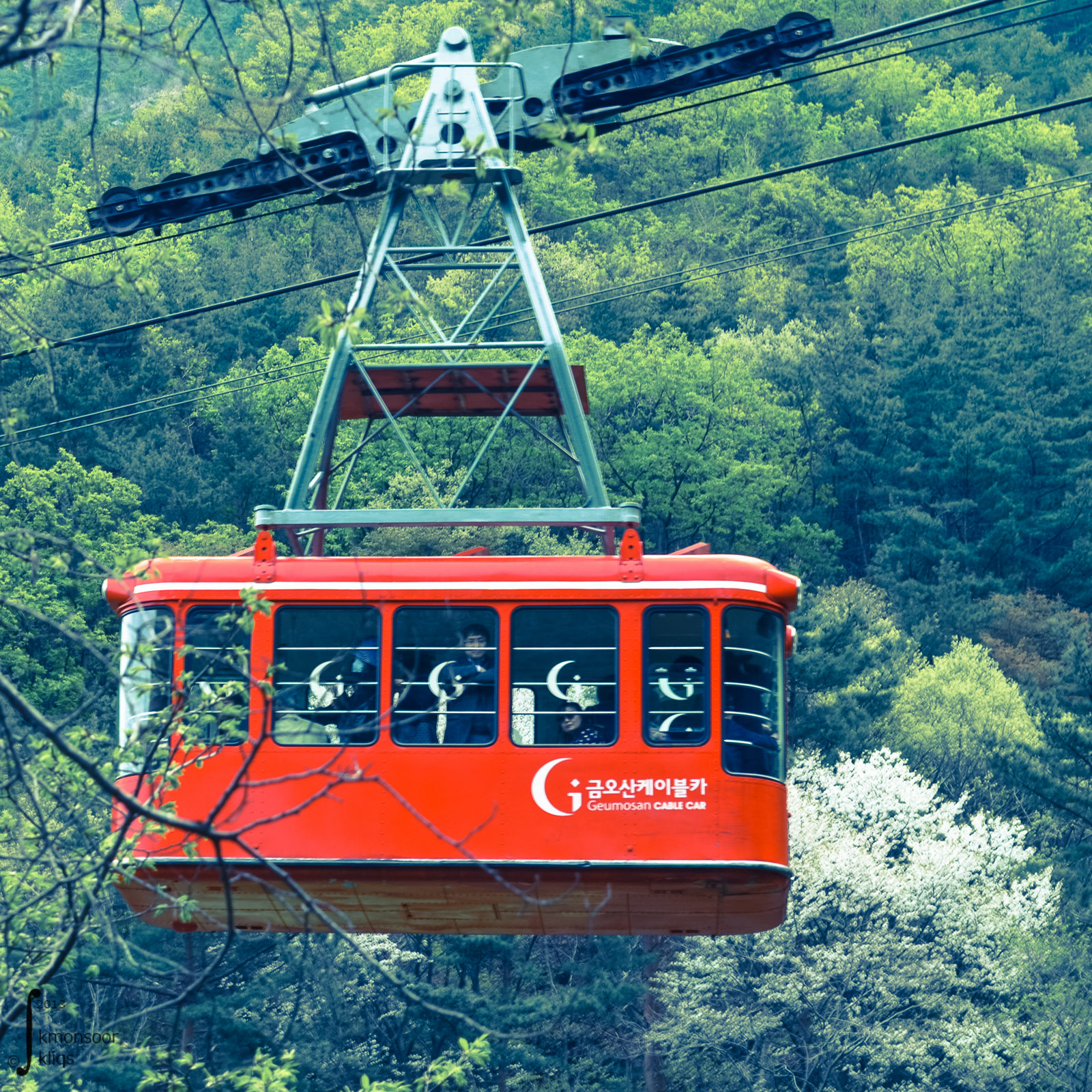
Stand at the intersection in downtown Gumi where an outdoor equipment shop faces a gaming store with a large PlayStation 2 logo, turn right, and follow the creek past a ship-shaped restaurant and around a lake. That walk brings you to the entrance of Geumosan Provincial Park, and it is as good an introduction as any to what this city offers: mountains, river paths, markets and a handful of quiet museums, all within easy reach of Gumi Station.
Gumi suits travellers who prefer a working Korean city to a polished tourist trail. Hiking, riverside cycling, traditional markets and Confucian heritage are the main draws, and most of it is free or inexpensive. This guide covers the sights and experiences worth your time, followed by a one-day plan that strings the best of them together.
Top things to do in Gumi
1. Geumosan Provincial Park
Geumosan is the highest mountain in Gumi and the city's most popular hiking destination. The park opens with a scenic lake at the entrance, then a botanical garden and a waterfall that freezes in winter and roars in spring and summer. A small cave sits near the waterfall.
The hike to the summit takes about two hours, or three and a half hours round trip, and rewards you with a temple, a picnic area and a 700-year-old Buddha stone carving with panoramic views. On foot from Gumi Station, walk through downtown toward the Lotte Castle apartments, turn right at the intersection marked by the outdoor equipment store and the gaming shop with the PlayStation 2 logo, then follow the creek for about 1.5 km past the ship-shaped restaurant and around the lake; the walk takes roughly 30 minutes. Bus #12 also runs from Gumi Station and the bus terminal every 90 minutes directly to Geumosan.
2. Dongrak Park
This waterfront park stretches along the Nakdong River from Imsu-dong under Gumi Bridge to Jung-ri in Seokjeok-eup. It holds a 9.3 km promenade, a large lawn and sports facilities, and admission is free.
Spring is the time to come for the cherry blossoms. Pair it with the riverside paths at Nakdonggang Sports Park if you want to keep moving along the water.
3. Nakdong River Riverside
The riverside paths along the Nakdong River are peaceful and scenic, and renting a bike or simply walking them makes for an easy afternoon. Sunset is the best part of the day here.
Combine the walk with Dongrak Park, which runs along the same river, or with the sports facilities at Nakdonggang Sports Park nearby.
4. Geumosan Market
One of Gumi's main traditional markets, with fresh produce, seafood, clothing and local street food including jjim-galbi, makchang and sundae. Entry is free.
From Gumi Station, take a taxi for about five minutes or walk 15 minutes along Market Street toward Wonpyeong-dong; the market sits between Gumi Central Market and Gumi City Hall. It is easily reached by bus or taxi from the station.
5. Gumi Culture & Arts Center
The city's main cultural venue, with large and small performance halls, exhibition rooms and rehearsal spaces. It regularly hosts concerts, plays, dance performances, musicals and art exhibitions, so what you see depends on the schedule.
Ticket prices vary by event and some exhibitions are free. The center is easily reached by local bus from Gumi Station or the bus terminal, and it sits near City Hall and the downtown area, where there are plenty of cafes and restaurants to combine with a performance.
6. Gumi Neo-Confucian History Museum
Established in 2020, this museum explores the Neo-Confucian heritage of the Gumi region. Exhibits cover prominent Confucian scholars such as Gil Jae, the philosophical principles of Joseon-era Neo-Confucianism, and cultural practices.
The site includes traditional-style buildings, walking paths, a pond and cultural experience spaces. It is open 09:00–18:00 and closed Mondays.
7. President Park Chung Hee Birthplace
A traditional Korean hut where former President Park Chung-hee was born. The area has been expanded to include a memorial hall, a statue and a garden.
It pairs naturally with the Neo-Confucian History Museum, both of which sit along the Geumosan-ro corridor on the way to the mountain.
8. Haeunsa Temple
A tranquil Buddhist temple on the slopes of Geumosan Mountain, known for its peaceful atmosphere, forested surroundings and scenic mountain views.
It fits easily into a Geumosan hike, and the temple at the summit of the mountain makes a natural second stop on the same day.
9. Gumi Ecoland
An eco-friendly park in the forests of Sindo-dong, with a scenic monorail ride, a zip coaster, ecological gardens, forest trails, playgrounds and nature experience zones. It suits families and anyone wanting outdoor activity surrounded by nature.
The monorail operates from 12:50, though hours may vary by season. Monorail tickets are ₩8,000 for adults and ₩6,000 for children and youth; the zip coaster is ₩10,000 for adults and ₩4,000 for children.
10. Gumi Municipal Folk Museum
A small folk museum displaying traditional Korean household items, agricultural tools, clothing and artifacts from the Gumi region, with exhibits on seasonal customs, rural life and the traditional calendar. Admission is free.
It is about 660 m from Exit 2 of Gumi Station, near the Gumi Senior Welfare Center, which makes it an easy first or last stop of the day. Opening hours are 09:30–17:30 from March to October and 09:30–16:30 from November to February, and it is closed Mondays.
11. Seonsan Hyanggyo
A traditional Confucian school established during the Joseon Dynasty to educate local scholars. The earliest buildings were destroyed during the Japanese invasions, but the current structures preserve classic architectural elements including the Daeseongjeon shrine hall and the Myeongnyundang lecture hall.
The complex sits on a quiet hillside, making it a peaceful spot for walking and photography. Admission is free.
12. Oksung Natural Recreation Forest
A forest retreat built around a large reservoir, with cabins, forest lodges, lakeside decks, camping areas, outdoor classrooms and scenic walking trails. The wooden cottages are made of clay and pine, and viewpoints overlook the water.
It is a peaceful choice for nature lovers and families seeking relaxation. Camping deck fees start at ₩6,000 and campground fees at ₩3,000.
13. Gumoland
A small family-friendly amusement park near Geumosan, with classic rides such as a carousel, bumper cars and a mini roller coaster, plus seasonal events. It suits children and families.
It is open until 18:00, though hours may vary by season, and costs vary by ride or wristband. Combine it with a Geumosan visit since the two are next to each other.
14. Gumi LIG Greaters Volleyball Game
Volleyball is the only professional sport in the city, and the Gumi LIG Greaters games draw strong support from locals. Expect enthusiastic chants and cheers, and a genuinely fun atmosphere.
Check the fixture schedule before you travel, as this depends entirely on when a home game falls during your visit.
15. Gumi Ramen Festival
Held annually in early November, usually November 7–9, around the Gumi Station area. You can taste various ramen dishes made with local agricultural products, plus live music, stage performances, photo zones, hands-on activities, tasting events and a food market. Entry is free.
Its central location makes it the most accessible of the city's festivals. If you are in Gumi in spring instead, the Youth Geumocheon Cherry Blossom Festival runs along the Geumocheon stream in early April with night lights, photo zones, busking and food stalls.
If you only have one day
Morning: Start at the Gumi Municipal Folk Museum, about 660 m from Exit 2 of Gumi Station, for a quick introduction to local life. Then walk through downtown toward the Lotte Castle apartments, turn right at the intersection with the outdoor equipment store and the gaming shop, and follow the creek past the ship-shaped restaurant to Geumosan Provincial Park. Hike up to the temple and the Buddha stone carving, or keep it short around the lake, botanical garden and waterfall.
Afternoon: Come down and stop at Haeunsa Temple on the slopes of Geumosan, then head to Geumosan Market for jjim-galbi, makchang or sundae. If you have energy left, walk or cycle a stretch of the Nakdong River Riverside or Dongrak Park.
Evening: Check what is on at the Gumi Culture & Arts Center and take in a performance or an exhibition, then eat in the downtown area near City Hall, where the cafes and restaurants are concentrated.
Frequently asked questions
How do I get to Geumosan Provincial Park without a car?
Walk from Gumi Station through downtown toward the Lotte Castle apartments, turn right at the intersection marked by the outdoor equipment store and the gaming shop with the PlayStation 2 logo, and follow the creek for about 1.5 km past the ship-shaped restaurant and around the lake; it takes roughly 30 minutes. Alternatively, Bus #12 departs from Gumi Station and the bus terminal every 90 minutes and goes directly to Geumosan.
Which sights in Gumi are free?
Admission is free at Dongrak Park, Geumosan Market, the Gumi Municipal Folk Museum and Seonsan Hyanggyo. The Gumi Ramen Festival and the Gumi Sandan Festival are also free to enter.
When is the best time to see cherry blossoms in Gumi?
Cherry blossoms are beautiful in spring at Dongrak Park. The Youth Geumocheon Cherry Blossom Festival is held annually in early April along the Geumocheon stream, with the 2025 edition running April 2–6.
What should I do in Gumi if it rains?
Head indoors to the Gumi Municipal Folk Museum, which is free and a short walk from Gumi Station, or the Gumi Neo-Confucian History Museum, open 09:00–18:00 and closed Mondays. The Gumi Culture & Arts Center is another option, with performances and exhibitions depending on the schedule.
Decide whether you are coming for the spring blossoms or the autumn festivals, then build your days around Geumosan and the river.