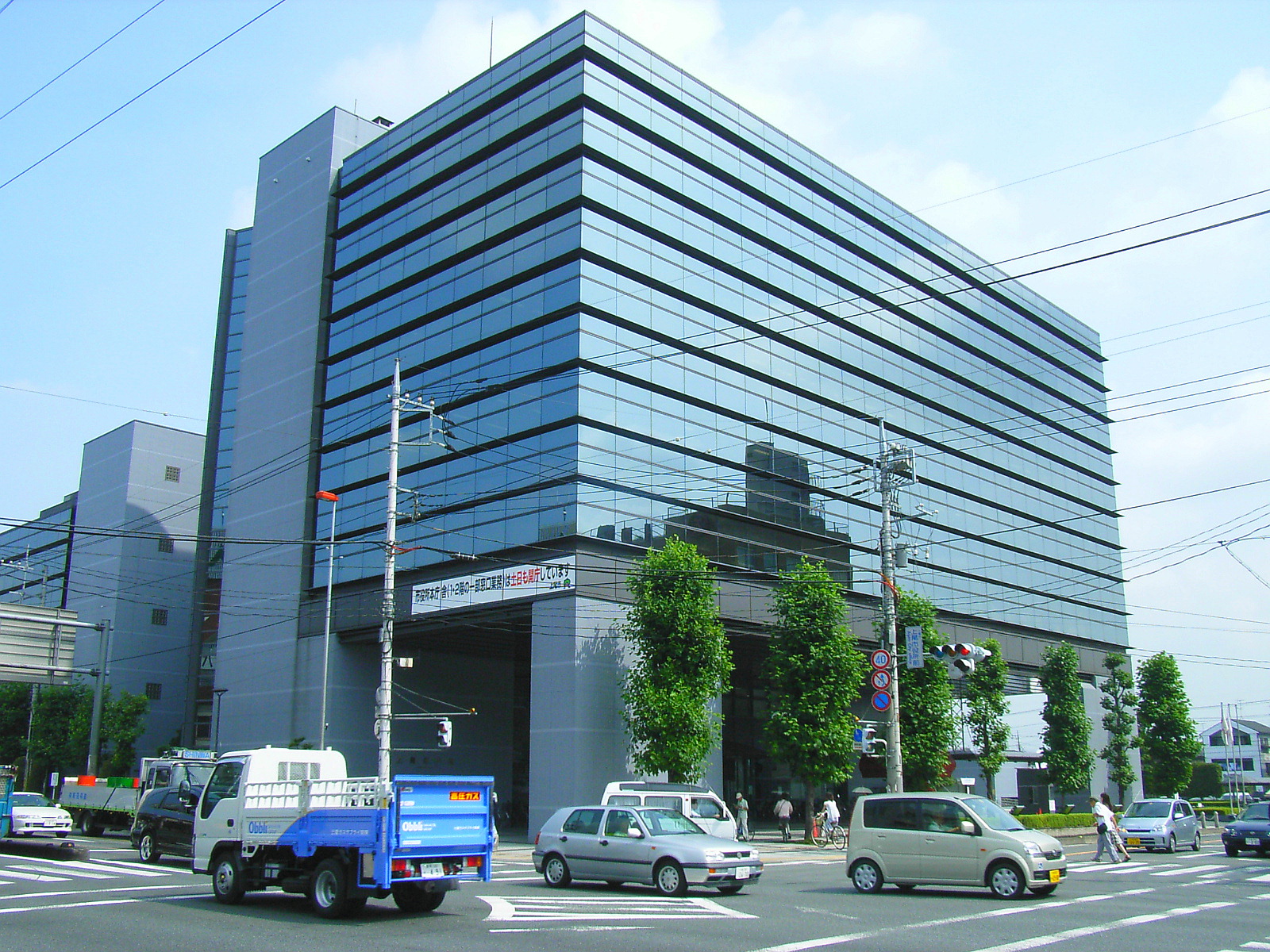
Step off the train at Ageo and the first thing you notice is how flat the ground runs away from you in every direction — this is the Kanto Plain, and there are no mountains in the city to interrupt the view. The Kamo River and the Shiba River thread through the streets, the Ayase River marks the eastern edge, and the old Nakasendō highway, where the post town of Ageo-shuku once flourished in the Edo period, still shapes how the centre is laid out.
Ageo suits the traveller who has already seen the headline sights of Saitama and Tokyo and wants a straightforward, walkable Japanese city to spend a day in — one with a genuine post-town history, working farmland on its edges, and a rail link that makes it easy to reach. It is a place for slow wandering rather than ticking off monuments.
This guide covers the sights and experiences worth your time in Ageo, followed by a one-day plan and answers to the questions visitors ask most. Everything named here comes from the city's own listings.
Top things to do in Ageo
1. Walk the old Nakasendō route through Ageo-shuku
Ageo-shuku was a post town on the Nakasendō highway and flourished during the Edo period, and the town of Ageo as it exists today grew out of it. Walking the line of the old highway gives you the historical spine of the city rather than a scatter of separate stops.
Combine this with a look at how the modern city sits on top of the old route — the railway station that opened in 1883 is the natural anchor for the walk. Go in the morning, when the streets are quiet and the light is even.
2. Follow the Kamo River and the Shiba River
Both the Kamo River and the Shiba River flow through Ageo, and they give you a low-key waterside route through the city without leaving the built-up area. The Ayase River forms the boundary to the east, and the Egara, a tributary of the Arakawa River, forms the northwest boundary.
These are working rivers rather than landscaped promenades, so treat the walk as a way of reading the shape of the city. Pair a stretch of the Kamo with the old post-town streets, since both sit in the same central area.
3. Look out over the Arakawa River
Ageo partially touches the left bank of the Arakawa River, which is the largest watercourse the city meets. It is worth the trip out to see how the plain opens up at the river's edge.
Because the city is flat and the river sits at its edge, this works best as part of a longer walk rather than a quick stop. Check the weather first — September is the wettest month in Ageo, with an average annual rainfall of 1388 mm.
4. Time a visit to the pear, grape and kiwi season
Ageo was a noted agricultural area well into the 20th century, and although agricultural land in the city area is declining, pears, grapes and kiwis are still produced here, along with tomatoes, cucumbers and spinach.
Fruit is the thing to plan around if you want to see the farming side of the city at its best. Ask locally which growers are open when you arrive rather than assuming a fixed schedule.
5. Ride the New Shuttle
The Saitama New Urban Transit New Shuttle serves Haraichi and Shōnan, giving you a way to cover ground on the city's rail network beyond the main line. It is a practical piece of transport rather than an attraction in itself, but it opens up parts of Ageo that are a long walk from the centre.
Use it to link a stop on the JR Takasaki Line at Ageo or Kita-Ageo with the New Shuttle stations, so you are not retracing the same route twice.
6. Arrive or depart via Ageo Station on the Takasaki Line
Ageo and Kita-Ageo are the two JR East stations on the Takasaki Line within the city, and Ageo's station has been part of the city's story since it opened in 1883. It is the most sensible arrival point for a day here.
Build your day outward from the station rather than trying to cross the whole city — Ageo runs roughly 10.48 km east to west and 9.32 km north to south, which is more than it looks on a map.
7. See the city from National Route 16 and National Route 17
National Route 16 and National Route 17 both pass through Ageo, and they are the main road axes of the modern city. If you are driving, they are how you will orient yourself.
These are busy arterial roads, so use them for getting between areas rather than as a route to stroll. They are most useful if you are combining Ageo with the neighbouring municipalities of Hasuda, Ina, Kawagoe, Kawajima, Okegawa or Saitama.
8. Take in a volleyball or cycling fixture
Ageo is home to the Ageo Medics, a V.Premier League women's volleyball team, and to the Bridgestone–Anchor cycling team. If a fixture falls during your visit, it is the most direct way to spend an evening with local crowds.
Check what is scheduled before you travel, since these are seasonal rather than year-round. An evening match pairs well with a daytime walk along the old Nakasendō route.
9. Visit Seigakuin University
Seigakuin University is one of the named institutions in the city and gives you a fixed point in the northern part of Ageo. It is a campus rather than a visitor attraction, so go for the walk and the setting rather than for a programme of sights.
Combine it with a stretch of the Egara, which forms the northwest boundary of the city, if you are already out in that direction.
10. Plan around the seasons
Ageo has a humid subtropical climate with warm summers and cool winters and light to no snowfall. The average annual temperature is 14.7 °C, temperatures peak in August at around 26.7 °C and are lowest in January at around 3.9 °C.
If you are walking the rivers and the old highway, spring and autumn give you the most comfortable conditions. If you are coming in summer, plan your walking for the earlier part of the day.
If you only have one day
Morning. Arrive at Ageo Station on the JR Takasaki Line and start on foot with the old Nakasendō route through Ageo-shuku, the post town that the modern city grew out of. Stay with the central streets while the day is still cool, then follow a stretch of the Kamo River or the Shiba River to see how the watercourses thread through the city.
Afternoon. Take the New Shuttle from Haraichi or Shōnan to cover ground beyond the centre, and use it to reach the northern side of the city around Seigakuin University. If you are travelling by car, National Route 16 and National Route 17 are the roads that will get you across town. If fruit is in season, this is the slot to look for the pears, grapes and kiwis grown in the area.
Evening. Head out toward the left bank of the Arakawa River as the light softens, or, if a fixture is on, spend the evening with the Ageo Medics or the Bridgestone–Anchor cycling team instead. Finish back at Ageo Station.
Frequently asked questions
How do I get to Ageo?
Ageo and Kita-Ageo are served by the JR East Takasaki Line, and the Saitama New Urban Transit New Shuttle serves Haraichi and Shōnan. National Route 16 and National Route 17 also pass through the city if you are driving.
When is the best time of year to visit Ageo?
Ageo has warm summers and cool winters with light to no snowfall. August is the hottest month on average at around 26.7 °C and January the coldest at around 3.9 °C, and September is the wettest month, so spring and autumn are the most comfortable for walking.
Is Ageo worth visiting if I have already seen Tokyo and Saitama?
Yes, if you want a flat, walkable city with a real Edo-period post-town history. Ageo-shuku on the Nakasendō is the historical centrepiece, and the Kamo, Shiba, Ayase and Egara rivers give the city its shape.
What can I see outside the city centre?
The left bank of the Arakawa River, the farmland where pears, grapes, kiwis, tomatoes, cucumbers and spinach are grown, and Seigakuin University. Ageo also borders Hasuda, Ina, Kawagoe, Kawajima, Okegawa and Saitama, so it works well as one part of a wider trip.
Start by picking your season and your arrival station, then build the rest of the day around the old Nakasendō route.