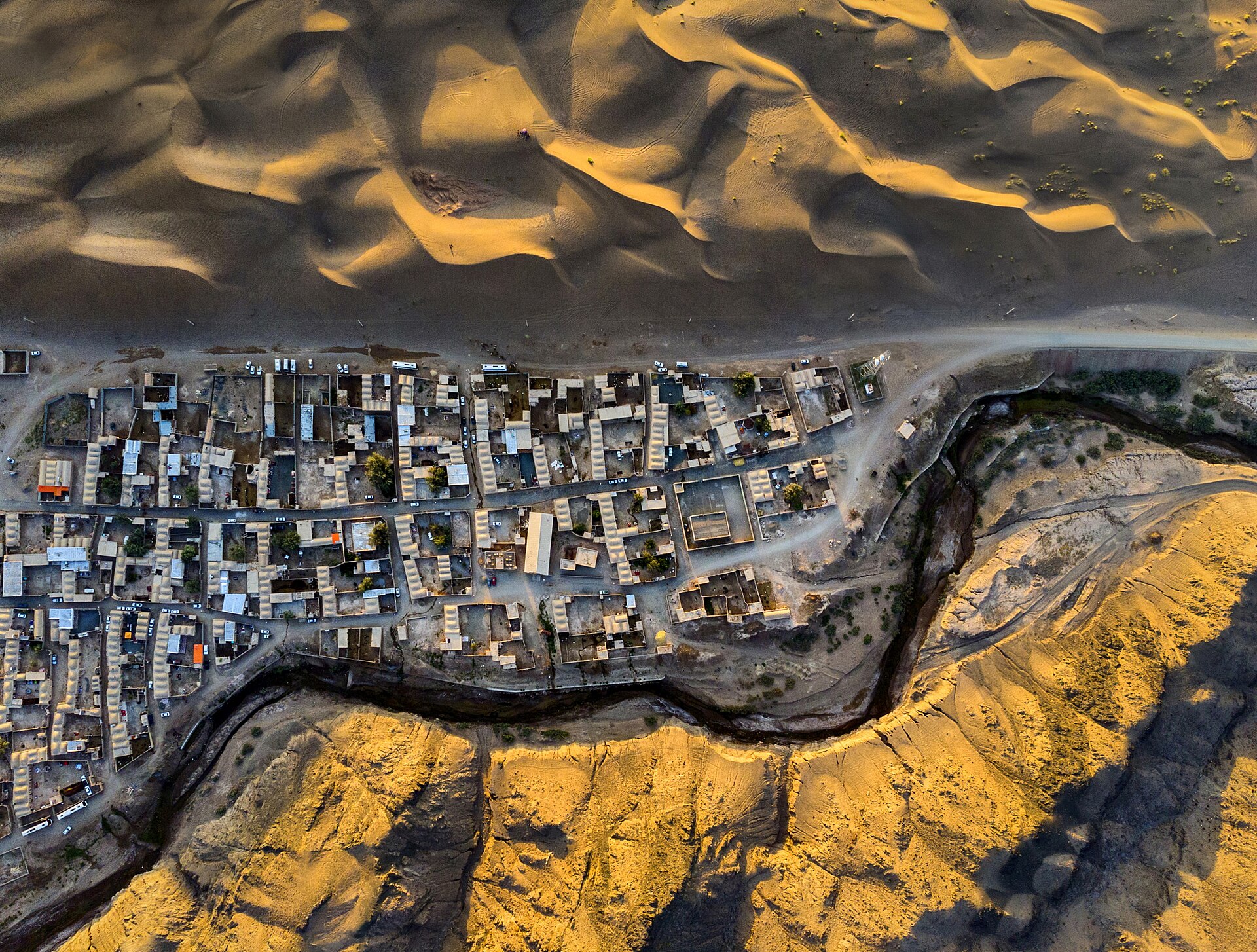
On the road into Nazarabad, the first thing you notice is fruit: orchards and produce heading for Tehran, in a city that has grown fruit for the capital for a long time. It is a working Iranian city in Alborz province, and the sights that reward a stop are the older, quieter ones on its edges.
This guide suits the traveller who is passing through the region and prefers a historical hill, a grave of a national figure, and village shrines to a formal sightseeing circuit. It covers the places named in the travel sources for Nazarabad, with practical notes on what to pair with what.
Top things to do in Nazarabad
1. Uzbeki historical hill
This hill is home to a civilization dated to 9,000 years ago, which makes it the deepest point in time you can stand on around Nazarabad. Come for the sense of scale rather than for displays.
Give it a calm half of a morning, and read up on the site before you go, since the interest here is in what the ground itself represents.
2. Dr. Mosaddegh's house and grave in Ahmadabad district
Both the house and the grave of Dr. Mosaddegh are in the Ahmadabad district, so the two can be seen in one visit. It is the most historically weighty stop in the area for visitors from Iran.
Combine the house and the grave in a single outing, and allow time to move between them within the district.
3. Imamzadeh Ibrahim
Located close to Karimabad village, Imamzadeh Ibrahim has Safavid era architecture. Around it stand several old trees and a 19th century graveyard, so the setting is as much a part of the visit as the building.
Pair it with the trees and the graveyard on the same stop, and go in daylight so you can see the architecture and the surroundings properly.
4. Imamzadeh Abolhasan
Close to Meskinabad village, Imamzadeh Abolhasan has a distinct architecture that sets it apart from the other shrines in the area.
If you are visiting more than one shrine, see this one after Imamzadeh Ibrahim so you can compare the two styles.
5. Imamzadeh Cheheldokhtar
Imamzadeh Cheheldokhtar dates from the 14th century, making it the earliest dated structure among the shrines named here.
Add it to the same day as the other imamzadehs if you are covering the villages, and keep your expectations set on architecture and setting rather than on visitor facilities.
6. Goldarreh village
Goldarreh is the sole nomadic village of western Karaj. The nomadic tribes live in black tents and keep many camels, so a visit here is about observing a way of life rather than a monument.
Go with an understanding that this is a living community, and treat the tents and animals as someone's home and livelihood rather than as an exhibit.
If you only have one day
Morning: Start at Uzbeki historical hill, the oldest site in the area, while the light is still low and the day is cool.
Afternoon: Move on to Dr. Mosaddegh's house and grave in Ahmadabad district, then continue to Imamzadeh Ibrahim near Karimabad village, where the old trees and the 19th century graveyard are part of the stop.
Evening: Finish at Goldarreh village, the nomadic village of western Karaj, to see the black tents and the camels before the day ends. If you have time left, Imamzadeh Abolhasan near Meskinabad village and the 14th century Imamzadeh Cheheldokhtar can be folded into the afternoon.
Frequently asked questions
What is Nazarabad known for?
The city is well known for growing fruit for Tehran.
How old is the civilization at Uzbeki historical hill?
The hill is home to a civilization dated to 9,000 years ago.
Which shrines in the area have notable architecture?
Imamzadeh Ibrahim, close to Karimabad village, has Safavid era architecture, and Imamzadeh Abolhasan, close to Meskinabad village, has a distinct architecture. Imamzadeh Cheheldokhtar dates from the 14th century.
Where can I see nomadic life near Nazarabad?
Goldarreh village is the sole nomadic village of western Karaj, where the nomadic tribes live in black tents and have many camels.
Use this list to sketch your route through the villages and the older sites, and start planning your days around the places that matter most to you.