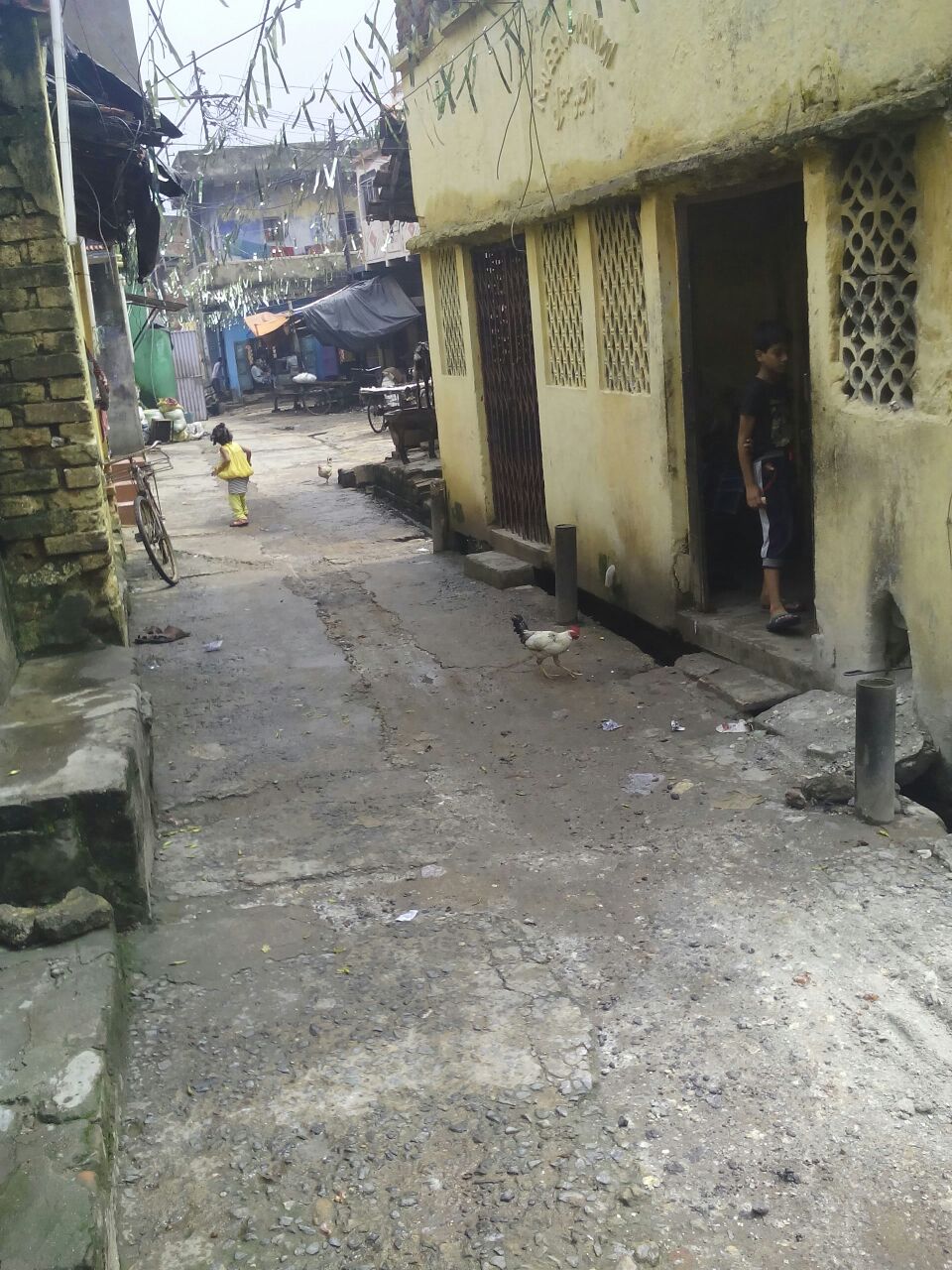
Stand at the gates of the old Kulti Works and you are looking at where modern metallurgy in India began: the Bengal Iron Works was established here in 1870 by James Erskin, and the plant's furnaces, foundries and workshops shaped the town around them. The works themselves fell silent when SAIL closed Kulti on 1 April 2003, so what you come for now is the scale of the industrial landscape and the everyday life of a neighbourhood in Asansol.
Kulti suits travellers already in the Asansol area who are curious about industrial heritage and who are happy to build a day from a small number of places rather than a long checklist. It is a neighbourhood of Asansol in Paschim Bardhaman district, governed by Asansol Municipal Corporation, and it sits close enough to Asansol and Burnpur that the wider area's sights can be folded into the same trip.
This guide covers the places in and around Kulti that the source material names, with practical notes on how to combine them and when to go.
Top things to do in Kulti
1. Kulti Works (SAIL Growth Works)
This is the reason Kulti exists as a place worth a detour. The Bengal Iron Works was set up here in 1870, and the site later became the Kulti Works of The Indian Iron and Steel Co. Ltd. before being brought under the Growth Division of Steel Authority of India Ltd. and renamed SAIL Growth Works in 2007. The plant area covers 228 acres within a works area of around 850 acres, which also takes in a residential colony, a 9-hole golf course and a club.
Come for the industrial heritage rather than a guided visitor experience: SAIL downed shutters at Kulti on 1 April 2003, after all the employees of the plant availed themselves of the voluntary retirement scheme. Treat the works as a landscape to view and understand in context, and pair it with the Kulti Club and the residential colony nearby rather than planning a separate trip for each.
2. Kulti Club
Kulti Club serves as a central gathering point in Kulti, and it is the most straightforward place in town to spend an unhurried hour. Its grounds and buildings include a swimming pool, a billiard room, tennis courts, a cricket field, a bar, and a wooden dancing floor used as an auditorium and stage; at one point it was rented out to marriage parties.
Go with adjusted expectations. The source material notes plainly that the club has lost its glamour, so the appeal is the setting and the sense of the town's social history rather than polish. It combines naturally with a look at the Kulti Works area, since the club sits within the wider works landscape.
3. IISCO Steel Plant, Burnpur
Operated by Steel Authority of India (SAIL), the IISCO Steel Plant is one of the major steel plants in West Bengal. It is the logical companion to Kulti's own iron and steel story: The Indian Iron and Steel Co. Ltd. was promoted by Burn & Co. and launched its iron-making facilities at Burnpur, and in 1936 it absorbed The Bengal Iron Co. Ltd.
Plan Burnpur as a separate stop from Kulti rather than something you walk to. If you are tracing the region's industrial history in order, see Kulti first and Burnpur after, so the sequence of the story makes sense.
4. Bishnu Temple, Garui
This stone temple is built over a platform with a Bengal hut-shaped roof and an arched entrance, and it dates to about the 14th century CE. A stone called "Narayan shila" is worshipped here as the deity of the temple; earlier, a 12-armed Lokeswar Vishnu idol was worshipped as the deity, and it was stolen long before. The temple is maintained by the Archaeological Survey of India (ASI).
This is the strongest non-industrial sight to add to a Kulti trip, and it rewards a slower look at the architecture rather than a quick stop. Note that Garui is a separate location from Kulti, so treat it as its own outing rather than something to squeeze between two stops in town.
5. Ghaghar Burhi Temple
A small shrine dedicated to Goddess Kali, this is the oldest temple of Asansol. Its scale is modest, so the visit is short, but it earns its place if you are already moving between the area's older religious sites.
The sensible approach is to pair it with Bishnu Temple, Garui, on the same leg of your day, since both are temple visits and neither needs a long stay.
6. Nehru Park, Burnpur
Nehru Park sits on the banks of the Damodar River and holds a cast iron statue of Nehru cast by IISCO. There is an eatery in the park, a large pond inside it with boating facilities, and you can get good views of the Biharinath Hill from the park.
It is about 14 km from Asansol railway station, which makes it a natural pairing with the IISCO Steel Plant, Burnpur on the same trip. Allow time for the boating and the riverbank rather than treating it as a quick photo stop.
7. Panifala
Panifala is a picnic spot with a lake for boating and a garden of flowers, roughly 7 km from the city centre. It is the best option in the source material if you want a slower, greener half-day rather than more industrial or religious sightseeing.
Because it is built around boating and gardens, it works best in good weather and with a group. It is a picnic destination rather than a formal attraction, so bring what you need for the day.
8. Satabdi Park
Satabdi Park has facilities for paddle boating and a few rides for children, and it is described as a nice place to spend the evening. It is about 2 km from Asansol railway station.
Use it as an end-of-day stop rather than a morning one, and combine it with the Asansol-side sights if you are basing yourself near the station.
9. Manoj Talkies
Manoj Talkies shows newly released movies, and it is a good cinema hall, one of the biggest, with a seating capacity of almost 1800. If your day has been spent on industrial sites and temples, this is the easy way to close an evening.
It is a cinema, so the practical decision is simply what is showing when you are in town. Pair it with Satabdi Park, which is also an evening option, and pick one depending on your mood.
10. Susanta Ray Wax Museum
The Susanta Ray Wax Museum is one of the named sights in the Asansol area. It is an indoor stop, which makes it useful when the weather is against you.
Fold it into an Asansol-side day rather than a Kulti-only itinerary, since it sits with the other Asansol sights in the source material.
11. Vidyasagar Art Gallery
The Vidyasagar Art Gallery is another named Asansol sight and an indoor option for the same kind of day as the wax museum.
Combine the two in one block of time, since both are gallery-style visits and neither requires travel out to Burnpur or Kulti.
12. Rabindra Bhawan
Rabindra Bhawan is listed among the things to do in the Asansol area. It is a cultural stop rather than an outdoor one, so it fits neatly into a mixed day of indoor and outdoor sights.
Treat it as part of an Asansol cluster with the wax museum and art gallery, and check locally what is on when you plan to visit.
If you only have one day
Morning: Start at Kulti Works (SAIL Growth Works) to see the industrial landscape where modern metallurgy in India began, then walk the surrounding colony area and stop at Kulti Club, which sits within the wider works landscape and serves as a central gathering point in Kulti.
Afternoon: Move on to Bishnu Temple, Garui to see the 14th-century stone temple with its Bengal hut-shaped roof, and pair it with Ghaghar Burhi Temple, the oldest temple of Asansol, on the same leg. If you have time left, continue to IISCO Steel Plant, Burnpur and then Nehru Park, Burnpur on the banks of the Damodar River.
Evening: Return to the Asansol side for Satabdi Park, which is about 2 km from Asansol railway station and has paddle boating and rides for children, or watch a newly released film at Manoj Talkies if you would rather sit indoors.
Frequently asked questions
Is Kulti a separate city or part of Asansol?
Kulti is a neighbourhood in Asansol, located in Paschim Bardhaman district in the Indian state of West Bengal, and it is governed by Asansol Municipal Corporation.
Can I visit the Kulti Works plant?
The source material does not describe a visitor programme at the plant. What it records is that SAIL downed shutters at Kulti on 1 April 2003, after all the employees of the plant availed themselves of the voluntary retirement scheme, and that the site was renamed SAIL Growth Works in 2007.
What can I combine with a Kulti visit?
The Burnpur and Asansol sights sit in the same area: IISCO Steel Plant, Burnpur, Nehru Park, Burnpur on the banks of the Damodar River, and the Asansol-side stops Satabdi Park, Manoj Talkies, Susanta Ray Wax Museum, Vidyasagar Art Gallery and Rabindra Bhawan.
When is the best time of day for the parks?
Satabdi Park is described as a nice place to spend the evening, and Nehru Park, Burnpur has an eatery and boating on its pond, so both work well later in the day rather than as an early start.
Decide which of these fits your day, check what is running at Manoj Talkies, and start mapping your route through Kulti and the surrounding Asansol area.