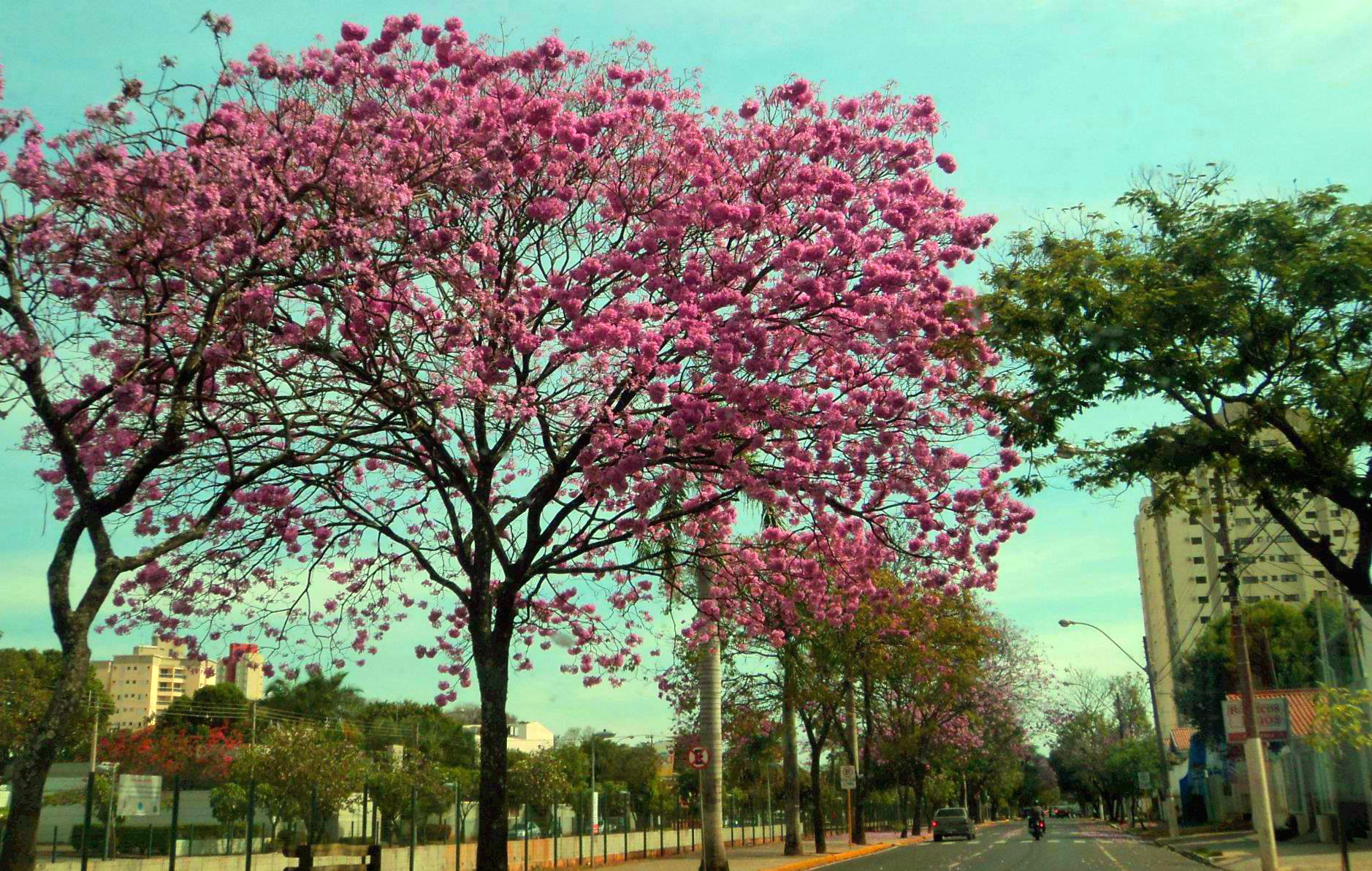
Stand on Praça Rui Barbosa and you are standing on the ground that gave Araçatuba one of its nicknames: this is where cattle arrobas were negotiated, the trade that made the city known as the Capital of Fat Cattle. The square is a good first stop because it puts the city's livestock past and its busy present in the same frame.
Araçatuba suits travellers passing through the northwest of São Paulo state who want a working regional city rather than a resort: a university hub with a diversified service economy, served by Dario Guarita Airport and sitting on the Tietê-Paraná waterway. It is also a practical base for the wider microregion, which includes Bento de Abreu, Guararapes, Lavinia, Rubiácea, Coroados, Santo Antônio do Aracanguá and Valparaíso.
This guide covers the places worth your time in the city and a one-day plan that strings them together.
Top things to do in Araçatuba
1. Praça Rui Barbosa
This square is where the arroba of cattle was negotiated, the activity that earned Araçatuba its reputation as the Capital of Fat Cattle. It is the single best place to understand what the city was built on, and it sits at the centre of everyday life.
Come at the start of your visit so the rest of the city makes sense, and pair it with a walk through the surrounding centre rather than treating it as a quick photo stop.
2. Expô Araçatuba
The Expô Araçatuba is one of the country's largest agricultural fairs, and it is the clearest expression of the agro-industrial activity that still matters in the region. If your dates line up with it, it is the standout experience in the city.
Because it is an event rather than a permanent attraction, check the dates before you book travel and build the rest of your trip around it if it falls during your stay.
3. Dario Guarita Airport
The city is served by the Dario Guarita Airport, which is the practical arrival point for a trip here. It is worth knowing as an anchor for your plans rather than as a sight in itself.
Use it to plan your first and last hours: confirm your transfer into the city before you arrive, since your time on the ground is better spent on the places above.
4. The cattle and livestock heritage of the city
Araçatuba's economy grew out of the coffee boom and then sugarcane plantations, alongside livestock farming, sheep farming and other animal breeding. That mix is the thread that ties the city's landmarks together.
Read up on the arroba trade before you go, then look for it in the city's daily life; it turns an ordinary walk through the centre into something with context.
5. The university quarter and student life
Araçatuba is a university hub for the northwest of São Paulo state, which shapes the city's rhythm, its cafés and its evening trade. Spending time where students gather gives you a different side of the city from its agricultural identity.
Go in the evening, when the service sector and student population are most visible, and combine it with dinner rather than a separate trip.
6. The Tietê-Paraná waterway
The city is served by the Tietê-Paraná waterway, a transport route that has shaped how goods move through this part of the state. It is worth understanding as part of the region's working landscape.
Treat it as context for a wider look at the region rather than a standalone stop, and pair it with time in the surrounding microregion towns.
7. The Brazil-Bolivia Gas Pipeline route
Araçatuba is served by the Brazil-Bolivia Gas Pipeline, one of the pieces of infrastructure that defines the city's role in the state. It is a marker of how this inland city connects to national networks.
Note it as background for your understanding of the region; it is not a visitor attraction, so do not plan a trip around it.
8. The microregion towns
The microregion of Araçatuba includes Bento de Abreu, Guararapes, Lavinia, Rubiácea, Coroados, Santo Antônio do Aracanguá and Valparaíso. Each is a small municipality within reach of the city and gives you a sense of the wider northwest.
Pick one or two rather than trying to cover them all, and use Araçatuba as your base for the day.
9. Associação Esportiva Araçatuba
The local football team is Associação Esportiva Araçatuba, and a match is one of the easiest ways to spend an evening with local people. Past clubs in the city include Clube Atlético Ferroviário, Araçatuba Futebol Clube and Atlético Esportivo Araçatuba.
Check the fixture list before you travel, since a home game is the only way to see this side of the city.
10. Rodovia Marechal Cândido Rondon (SP-300)
The SP-300 Rodovia Marechal Cândido Rondon is one of the main highways serving the city, and it is how most visitors arrive by road. Knowing it helps you plan movement in and out of Araçatuba.
Use it to link the city with the microregion towns, and allow for the fact that this is a working agricultural corridor rather than a scenic route.
11. Rodovia Elyeser Magalhães (SP-463)
The SP-463 Rodovia Elyeser Magalhães is the other highway serving Araçatuba. Together with the SP-300 it frames how you get around the area.
Check which of the two suits your onward destination before you set out, and plan your fuel and food stops around the towns on the route.
12. Local newspapers Folha da Região and O Liberal Regional
Both Folha da Região and O Liberal Regional are published in Portuguese and cover the city and its region. Reading them is a practical way to find out what is on during your stay.
Pick one up early in your trip to check for events and fairs, since the Expô Araçatuba and other gatherings are announced locally.
If you only have one day
Morning: Start at Praça Rui Barbosa, where the cattle arroba trade gave the city its Capital of Fat Cattle name, and take time to read the square as the centre of local life. From there, walk the surrounding centre and get your bearings on the city's coffee, sugarcane and livestock past.
Afternoon: Use the middle of the day for the city's university quarter, which reflects Araçatuba's role as a hub for the northwest of São Paulo state, and stop for lunch nearby. If the Expô Araçatuba is running during your visit, give it the whole afternoon instead, since it is one of the country's largest agricultural fairs.
Evening: Spend the evening at a match involving Associação Esportiva Araçatuba if there is a home fixture, or return to the centre for dinner and a look at the local press, Folha da Região or O Liberal Regional, to see what else is on before you leave.
Frequently asked questions
How do you get to Araçatuba?
The city is served by the Dario Guarita Airport, and by road via the SP-300 Rodovia Marechal Cândido Rondon and the SP-463 Rodovia Elyeser Magalhães.
When is the best time to visit for the agricultural fair?
The Expô Araçatuba is one of the country's largest agricultural fairs, so time your trip around it if that is your priority. Check the dates locally before booking, as the sources do not give a fixed schedule.
What is Araçatuba known for?
It is known as the Capital of Fat Cattle, from the negotiation of the arroba of cattle at Praça Rui Barbosa, and for livestock and sheep farming alongside coffee and sugarcane. It is also a university hub for the northwest of São Paulo state.
Can you visit the surrounding towns from Araçatuba?
Yes. The microregion of Araçatuba includes Bento de Abreu, Guararapes, Lavinia, Rubiácea, Coroados, Santo Antônio do Aracanguá and Valparaíso, all reachable using the city as a base.
Check the Expô Araçatuba dates and your flight into Dario Guarita Airport, then start building your days around Praça Rui Barbosa and the microregion.