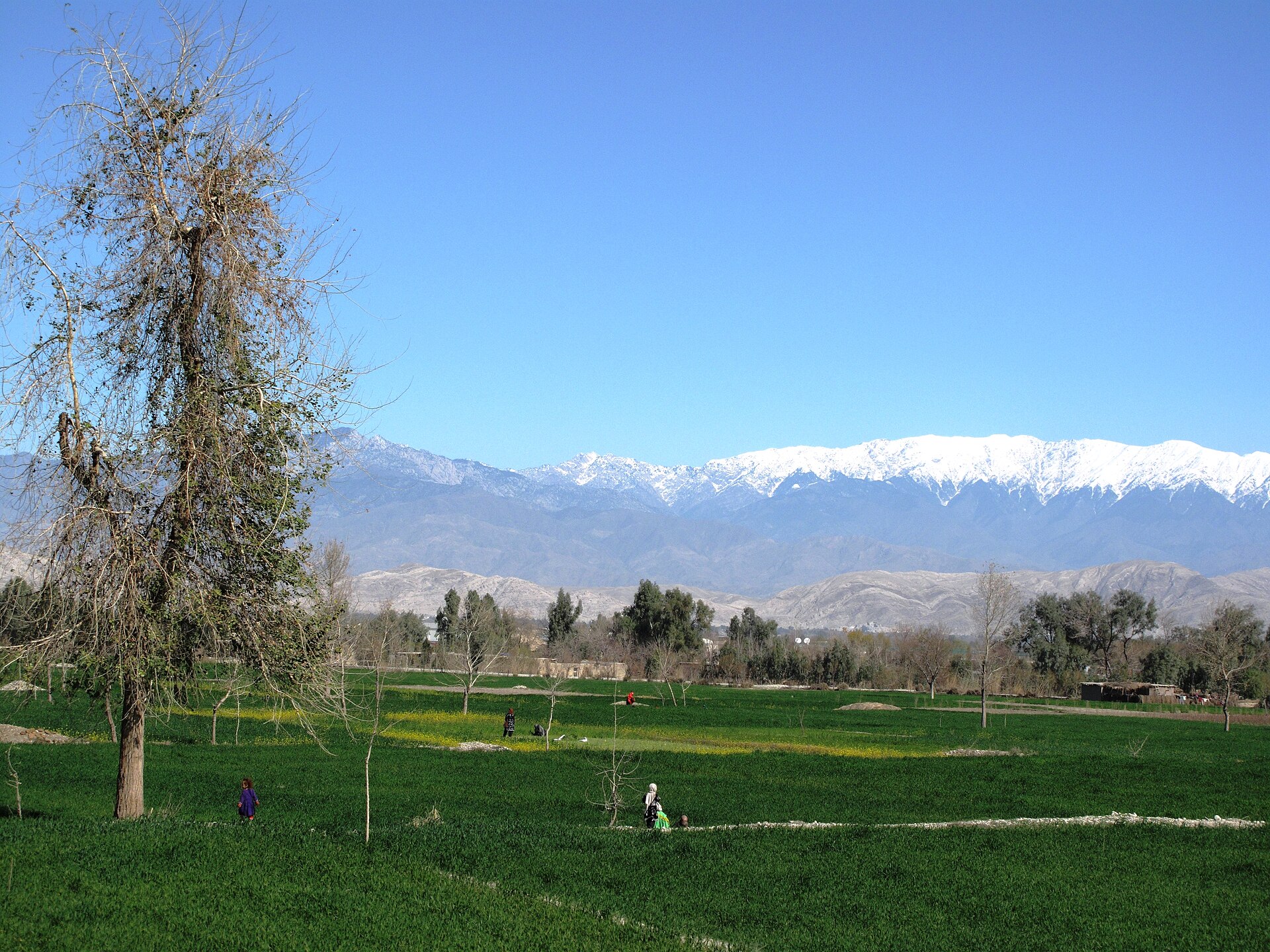
Late afternoon on the road in from Kabul, the light softens over the citrus groves and the water channels that run along the streets, and the air smells of sugarcane and dust. Jalalabad sits where the Kunar River merges into the Kabul River, below the Hindu Kush, and its gardens, orchards and riverside make it one of the greener cities in the country.
It suits travellers who are already in eastern Afghanistan and want a day or two of gardens, tombs and river views rather than a checklist of monuments. This guide covers the places worth your time, drawn from what is documented about the city, and how to string them together.
Top things to do in Jalalabad
1. Mausoleum of King Amanullah Khan
Amānullāh Khān was sovereign of the Kingdom of Afghanistan from 1919 to 1929, first as Emir and after 1926 as king, and his tomb is one of the city's principal sites. The mausoleum of both he and Amir Habibullah is enclosed by a garden facing Seraj-ul-Emarat, the former residence that was destroyed in 1929.
Combine the visit with the garden itself, which retains vestiges of the past even though the residence does not. Go in the cooler part of the day, since Jalalabad is one of the hottest localities in Afghanistan.
2. Mausoleum of Khan Abdul Ghaffar Khan
This is one of the city's named mausoleums and a place of significance in Pashtun culture, which Jalalabad is considered a leading centre of. It rewards a quiet visit rather than a hurried one.
Pair it with the other mausoleums in the same group so you are not making separate trips across the city.
3. Mausoleum of Mohammad Gul Khan Momand
The third of the city's named mausoleums, and worth including if you are working through the tombs in one outing. Each is a modest stop; together they make a coherent half-day.
Keep the sequence flexible and ask locally for the approach, as these are visited sites rather than ticketed attractions.
4. Hada Museum
South of Jalalabad, this museum contains exhibits related to the pre-Islam period, when the city was a major centre of Greco-Buddhist culture known as Nagarahara and Adinapur. It is the clearest place to make sense of that long history before it was conquered by Muslim forces in the late 1st millennium.
Allow time to read the exhibits rather than passing through, and treat it as the historical anchor of your visit.
5. Palace (Shahi Qasar)
The winter palace of the former king Zahir Shah. Jalalabad's moderate winters made it a favoured winter capital for Afghan rulers, and this palace is the surviving expression of that role.
Visit in the morning if you can, and combine it with the mausoleums, which sit in the same broad story of the city's royal past.
6. Darwanta Dam
Famous for fresh fish and a green environment with fresh air, with a park for women and youth, hotels, restaurants and all types of dishes. It is the easiest place in the city to spend a long, unhurried few hours.
Come hungry and plan a meal here rather than treating it as a quick stop. It works well as the relaxed end to a day of tombs and museums.
7. Ghazi Amanullah Khan City
About 15 km from Jalalabad, this new city is under development and is named after King Amanullah Khan. It is said to be the first, the biggest and the most modern city in the history of Afghanistan.
Because it is under development, go with the expectation of seeing a project in progress rather than a finished destination. It pairs naturally with the mausoleum of the king it is named for.
8. The main historical bridge
The city's main historical bridge is the only connection to three other provinces, which makes it both a piece of infrastructure and a piece of the city's history. It is a quick stop, but a meaningful one.
Look at it in the context of the rivers, since Jalalabad sits at the junction of the Kabul River and the Kunar River.
9. Youth Park Zwanano Park
One of the city's public parks, and a straightforward place to sit, walk and watch the city at leisure. Jalalabad has a number of public parks, and this is the one named for visitors.
Go in the late afternoon, when the heat eases and the park is at its most useful.
10. Ameer Shaheed Garden
A garden in a city that is known for its greenery and water. It is a calm counterpoint to the busier stops on this list.
Combine it with a walk along the riverside, since the two suit the same unhurried pace.
11. Sherzai Cricket Stadium
Jalalabad is considered the capital of Afghan cricket, with many of the national players coming from the surrounding areas, and this stadium is under construction. It is worth a look if you follow the game.
Check locally before going, since construction means access is not guaranteed.
12. Nangarhar University
The university is in the northwestern area of the city. It is a working institution rather than a visitor attraction, so treat it as a passing point of interest.
It sits in the same part of the city as several other stops, so it is easy to note on the way past.
13. Fishing and swimming on the riverside
Two simple pleasures the city offers: go for fishing along the riverside, or go swimming. With the Kabul and Kunar rivers meeting here, the water is central to how the city feels.
Take local advice on where it is safe and appropriate to swim before you get in.
14. The fruit and the bazaars
Jalalabad is home to a large number of fruits, including citrus such as the narindj orange, whose yellow skin and taste combine orange and grapefruit, along with pomegranates, grapes, mulberries and dates. The fruits are sold in local markets.
Buy what is in season and eat it the same day. The bazaars are also where the city's trade character is most visible.
If you only have one day
Morning. Start at the Palace (Shahi Qasar), the winter palace of the former king Zahir Shah, while the air is still cool. Then move to the Mausoleum of King Amanullah Khan and the garden facing Seraj-ul-Emarat, and continue to the Mausoleum of Khan Abdul Ghaffar Khan and the Mausoleum of Mohammad Gul Khan Momand.
Afternoon. Head south to the Hada Museum for the pre-Islam period exhibits, then take in Ameer Shaheed Garden and Youth Park Zwanano Park at a slow pace. If you still have energy, stop at the main historical bridge and the riverside.
Evening. Finish at Darwanta Dam, which is famous for fresh fish and a green environment with fresh air, and has hotels, restaurants and all types of dishes. Eat there before returning to the city.
Frequently asked questions
When is the best time of year to visit Jalalabad?
The city has a hot desert climate and is one of the hottest localities in Afghanistan, with summer maximums reaching 120 °F (49 °C). Rainfall is limited to winter and the months of spring, and frosts are not common. The moderate temperatures of winter have historically drawn people to settle here, so the cooler months are the more comfortable ones.
How do you reach Jalalabad?
The city is connected by a road network with Asadabad to the northeast, Torkham to the southeast, and Kabul to the west, and it is about 80 mi (130 km) from Kabul. Jalalabad Airport is in the southeastern part of the city. Its position near the Torkham border checkpoint and border crossing is a large part of why it is a leading centre of social and trade activity.
What should you eat and drink while you are there?
Darwanta Dam is famous for fresh fish, and the city's markets sell the citrus, pomegranates, grapes, mulberries and dates grown in the surrounding area. The narindj orange is the most common citrus variety, with yellow skin and a taste that combines orange and grapefruit.
Is there anything to do on the water?
Yes. You can go fishing along the riverside, and you can go swimming. The city sits at the junction of the Kabul River and the Kunar River, so the water is easy to reach.
Work out which of these fits your days, check the practical arrangements locally, and start planning your trip to Jalalabad.