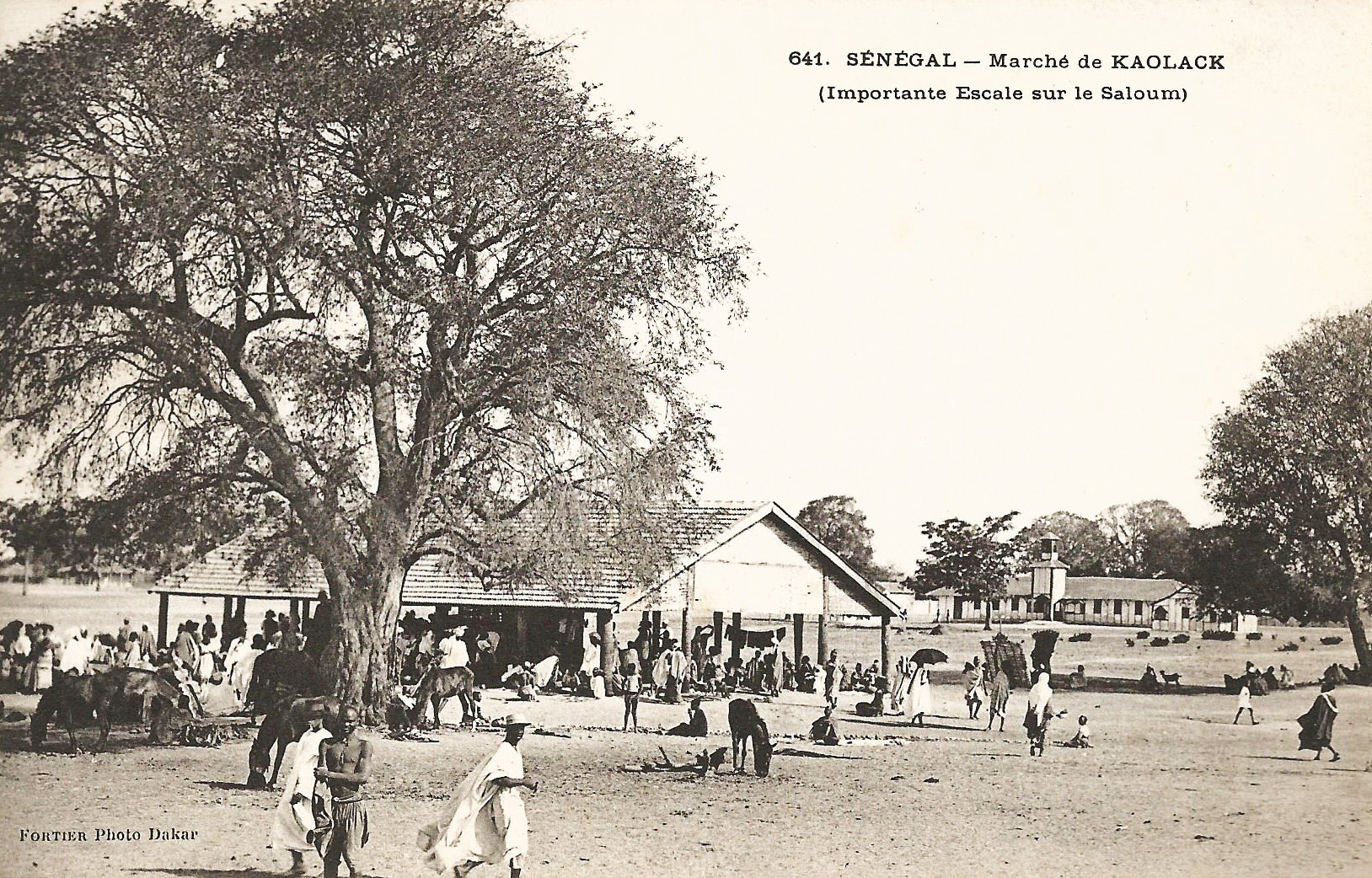
Kaolack sits on the north bank of the Saloum River, about 100 kilometres from its mouth, on the N1 road. It is a working regional market town and the country's main peanut trading and processing centre, and it is also a major centre of Islamic education, home to the Leona Niassene mosque, one of the largest and best known in Senegal.
For a visitor, the city is arranged around a central commercial core and a ring of residential neighbourhoods, several of them founded around the Tijaniyyah Sufi order and its lodges. There is no single tourist quarter, so where you base yourself depends on whether you want to be in the middle of the market and transport activity or in a quieter residential area on the edge of town. This guide covers the neighbourhoods named in the source material, what kind of traveller each suits, and what accommodation exists at each level.
Best areas to stay in Kaolack
1. Lewna (Léona)
Lewna includes much of the city centre, so this is the most practical base if you want to be within walking distance of the market, the main streets and the commercial life of Kaolack. It also contains Lewna Ñaseen, the headquarters of the Tijaniyyah branch founded in 1910, which gives the area a religious and scholarly character alongside its everyday bustle.
It suits first-time visitors and anyone who prefers to be close to transport and services rather than in a residential suburb. Expect the usual mix of small guesthouses and simple local lodgings rather than large hotels. The trade-off is noise and traffic: this is the busiest part of town.
2. Medina Baay (Médina Baye)
Medina Baay, also called Medina II, lies on the northeast edge of the city and is the centre of the Ibrahimiyya branch of the Tijaniyyah order, founded in 1930. It is a large, established neighbourhood in its own right, with the mosque and the community institutions at its heart.
This area suits travellers who want a calmer, more residential base and who are interested in the religious life of the city. It is on the edge of town rather than in the centre, so you will rely on local transport to reach the market and the riverfront. Accommodation here is limited and simple.
3. Saam (Sam)
Saam lies west of Medina Baay in the north of Kaolack and was also founded by Ibrayima Ñas. It began as fields and orchards for his disciples, and since the 1970s the trees have been replaced by houses, so it is now a built-up residential neighbourhood rather than open land.
It suits travellers who want a quiet base away from the centre and who do not mind depending on transport for everything. There is little in the way of visitor infrastructure here, so treat it as a place to sleep rather than a place to spend the day.
4. Ndoorong (Ndorong)
Ndoorong sits west of Saam and was founded by Bashiru Mbàkke and his Murid disciples. Like the neighbouring northern neighbourhoods, it is residential and removed from the commercial core.
It suits budget travellers and those with a specific reason to be in this part of the city, such as a connection to the Murid community. As with Saam, you will need transport to reach the centre, the market and the river.
5. Coofog (Thiofoke)
Coofog lies north of Saam and existed before Kaolack itself as a Serer village ruled by the Guelowar dynasty. It is the most peripheral of the neighbourhoods described here.
It suits travellers who specifically want to stay in or near this historic village setting. It is the least convenient base for the city's sights and services, so choose it only if you have a particular reason to be there.
Where to stay on a budget, mid-range or splurge
- Budget: dormitory beds and very simple rooms, including accommodation run by a religious mission in the town centre. This is the most developed end of the market in Kaolack.
- Mid-range: the source material lists no mid-range accommodation in Kaolack, so do not expect a broad choice of comfortable, mid-priced hotels; you may need to adjust your expectations or your budget.
- Splurge: the source material lists no upmarket accommodation in Kaolack. If you want higher-end facilities, plan to stay elsewhere or accept simpler accommodation here.
Best area for a first visit
Lewna is the best base for a first visit because it includes much of the city centre, putting you close to the market, the main roads and the everyday life of the town. It also contains Lewna Ñaseen, the headquarters of the Tijaniyyah branch founded in 1910, so the area's religious significance is on your doorstep. For a short stay, being in the centre saves you the daily trip in from the northern neighbourhoods.
Frequently asked questions
Where is Kaolack located?
Kaolack is on the north bank of the Saloum River, about 100 kilometres from its mouth, on the N1 road. It is the capital of the Kaolack Region, which borders The Gambia to the south.
What kind of accommodation can I expect in Kaolack?
The source material lists budget options only, including a mission-run place in the town centre with dormitory beds. No mid-range or upmarket accommodation is listed, so plan for simple lodgings.
Which neighbourhoods are in the city centre?
Lewna includes much of the city centre. The other neighbourhoods named in the source material — Jaleñ, Medina Mbàbba, Medina Baay, Saam, Ndoorong and Coofog — lie further out, mostly to the north and northeast.
Is Kaolack a good base for visiting the surrounding region?
It is an important regional market town and the country's main peanut trading and processing centre, so it functions as a hub for the surrounding area. The N1 road and the Saloum River both pass through it.
Compare live prices for your dates with the booking tools on this page before you decide where to base yourself.