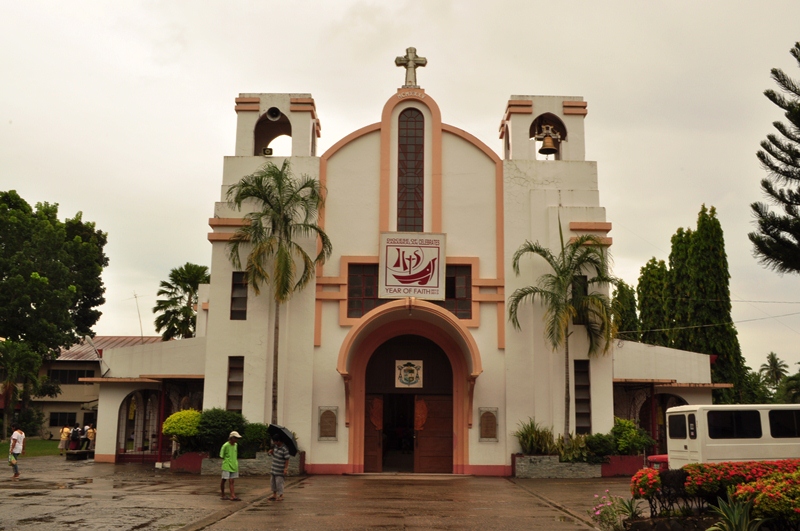
Kabankalan sits in the central part of southern Negros, roughly an hour and a half south of Bacolod by car and about two hours by public utility vehicle. It is the hub of economic activity in southern Negros and the take-off point for destinations further down the island, linking Negros Occidental to Dumaguete via the Kabankalan-Mabinay Highway.
For a visitor, the practical layout is simple: the city spreads across 32 barangays, with the commercial centre and the main road corridors holding most of the places to sleep. Accommodation clusters along the national highway and the streets of the poblacion, so your choice of base is mostly about which part of town you want to be walking distance from. This guide covers the areas worth considering, what each suits, and how the price tiers differ.
Best areas to stay in Kabankalan
1. Poblacion and the national highway corridor
The commercial heart of the city, where banks, offices and commercial establishments have clustered since the sugar industry brought trade to southern Negros. This is where you find the greatest concentration of pension houses and inns, several of them on or just off the national highway and on central streets such as Rizal Street and Guanzon Street.
It suits first-time visitors and anyone without their own transport, because you are within reach of the city's services and the transport links that connect Kabankalan to Bacolod, Dumaguete and the rest of the province. Expect simple air-conditioned rooms with private bathrooms and cable TV at the lower end of the range. Being on the highway corridor means road noise is part of the deal, so ask for a room set back from the street if that matters to you.
2. The area around Zaycoland
Kabankalan's resort-style accommodation sits away from the tight centre, with grounds that include an Olympic-sized swimming pool, a kiddie pool, a volleyball court and a children's play area. It is the only area in the sources described with this kind of leisure facilities.
It suits families and travellers who want space and on-site recreation rather than a room on a busy street, and it is the natural pick if you are treating Kabankalan as a rest stop on a longer southern Negros route. Rooms here run to family, bridal and master suites, which places it at the top of the local price range. You will need to arrange transport to reach the centre and the highway connections.
3. Streets off the centre (Tan Lorenzo, Sola, Rojas)
A handful of guest houses and inns sit on the smaller streets just off the main commercial area, including Tan Lorenzo Street, Sola Street and Rojas Street. These are quiet, residential-feeling addresses within easy reach of the centre.
They suit budget travellers and longer-staying visitors who want a calmer base while staying close to town services. The accommodation is small-scale and simple, typically air-conditioned doubles with private bathrooms. Because these places are small, they fill up around the city's festivals in January and around charter anniversary events, so book ahead if your visit coincides with them.
Where to stay on a budget, mid-range or splurge
- Budget: Pension houses and guest houses, usually air-conditioned double rooms with a private bathroom, often with cable TV. These are the most common option in Kabankalan and cluster in the centre and on the streets just off it.
- Mid-range: Inns and pension houses on the main corridors with slightly larger rooms and more reliable facilities, still within the town rather than on resort grounds.
- Splurge: The resort-style property on the edge of town, with suites, pools, a volleyball court, a children's play area and a restaurant on site.
Best area for a first visit
Base yourself in the poblacion and national highway corridor. It puts you closest to the transport links that make Kabankalan a hub for southern Negros, and it has the widest choice of rooms at every price level. From there you can reach the rest of the city easily and arrange onward travel to Bacolod, Dumaguete or the attractions further south.
Frequently asked questions
How do I get to Kabankalan from Bacolod or Dumaguete?
Kabankalan is over an hour's drive south of Bacolod by car, or about two hours by public utility vehicle. From the south, the city links Negros Occidental to Dumaguete, the capital of Negros Oriental, via the Kabankalan-Mabinay Highway.
When is the busiest time to book accommodation?
The city hosts three major festivals: the Kabankalan Sinulog every third Sunday of January, Udyakan sa Kabankalan, and the Charter Anniversary. Rooms are likely to be in shortest supply around these dates, so book well ahead if your trip coincides with them.
What languages will I hear and use around town?
Hiligaynon and Cebuano are the major languages and are used interchangeably in day-to-day activities, with English and Tagalog as second languages. Kabankalan is one of the places in Negros Occidental where residents speak and understand both Hiligaynon and Cebuano.
What is the climate like through the year?
The dry season runs from December to May and the rainy season from June to November, with an average temperature of around 26 °C. Plan outdoor trips to Mag-aso Falls and Balicaocao Resort accordingly.
Compare live prices and availability for the areas above using the booking tools on this page.