Mawlamyine sits at the mouth of the Thanlwin River, where the water is sheltered by Bilugyun Island before it reaches the Gulf of Martaban. Low hills dotted with ancient pagodas rise to the east and west of the city, and the ridge-top Kyaik Than Lan pagoda looks out over the whole of it. This is a river port with a long history as a trading town, and its streets still carry the shape of its colonial past.
For a visitor, the city is easy to read. Most of the accommodation and the everyday life of the centre sit along and near the riverfront Strand Road and the parallel main roads, while the highway bus station and the airport lie away from the centre, and the railway station sits at its edge. This guide covers which parts of Mawlamyine make sense as a base, what kind of place you will find in each, and how the choice changes depending on your budget and how you plan to get around.
Best areas to stay in Mawlamyine
1. Strand Road and the riverfront centre
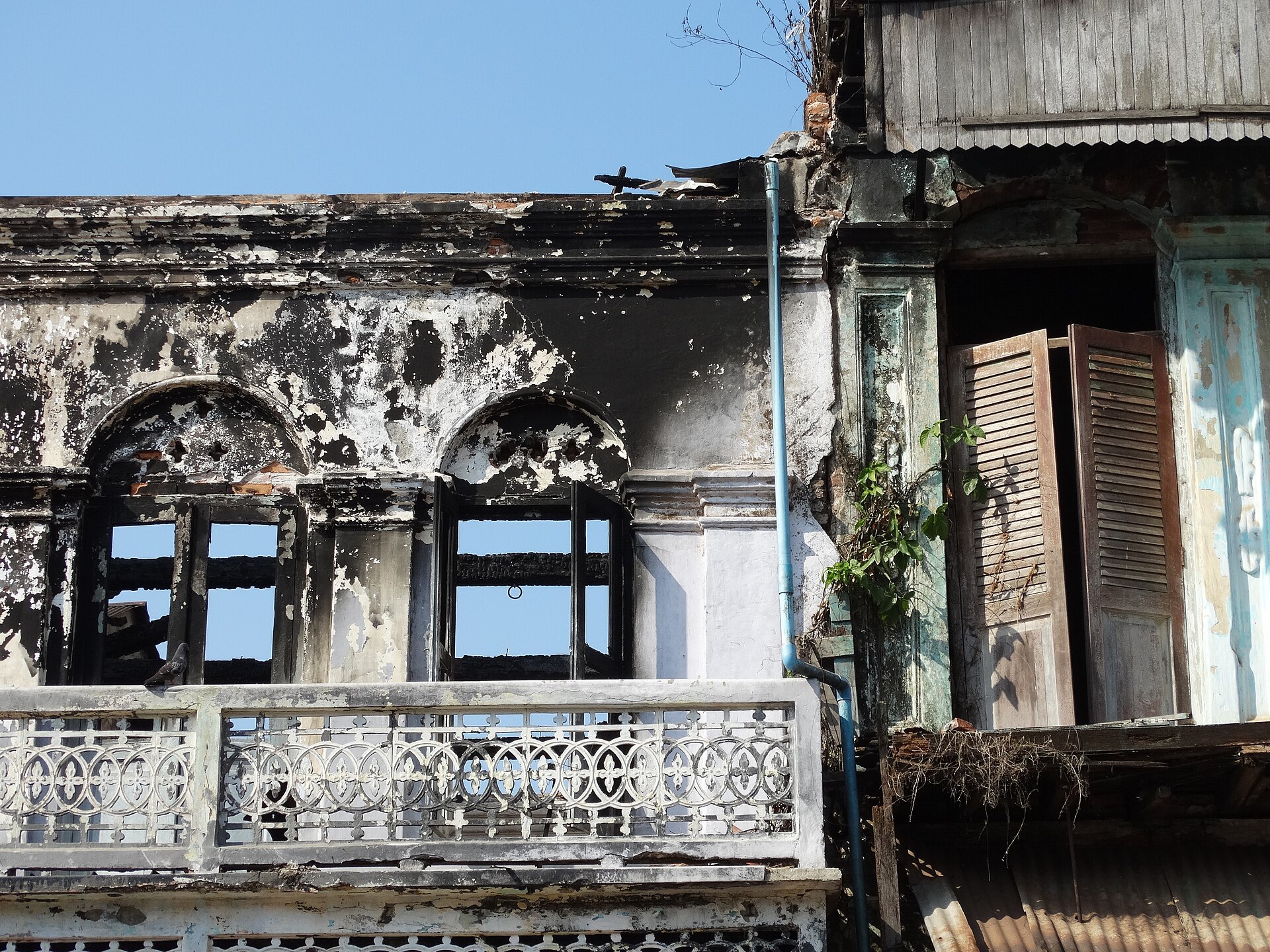
This is the most practical base for a first visit. Strand Road runs along the river, and the central sights, the post office and the main commercial streets are within easy reach on foot. You will find a mix of long-established guesthouses and mid-range hotels here, including places occupying colonial-era buildings with river views. It suits first-time visitors and anyone who wants to step out of the door and be among the city's life.
The trade-off is that some of the older riverside properties are run down, and rooms at the back often offer better value than those facing the water. Traffic and street noise are part of the setting, so ask for a quieter room if that matters to you.
2. Lower Main Road and the Maungngan Quarter
Lower Main Road and the surrounding quarter form a second cluster of places to stay, a short distance from the riverfront and still within the central area. This is where you find smaller guesthouses, including newer ones, generally at budget prices. It suits budget travellers and independent visitors who do not mind being a little away from the centre in exchange for lower rates.
Being slightly off the main riverfront means you will rely more on walking or on the local tuk-tuks and taxis to reach the sights, but the savings can be significant.
3. Baho Road and the post office area
Around Baho Road, close to the post office, the accommodation shifts toward the mid-range. Here you find larger hotels with more facilities, including rooms with air-conditioning and private bathrooms, and some dormitory-style beds alongside standard rooms. It suits travellers who want a bit more comfort and services without leaving the centre.
This area is convenient for the central sights and for onward transport bookings, and it remains walkable to the riverfront.
4. The quiet area between the centre, the airport and the university
Away from the river, in a quieter part of the city between the centre, the airport and the university, you find newer mid-range hotels set in calm surroundings, some with gardens and shuttle services to the airport. This suits families, longer stays and anyone who values quiet over proximity to the riverfront.
The practical point to weigh is distance: this area sits a few kilometres from the railway station and the centre, so you will depend on transport for most trips into town.
5. Near the bus station
Around the highway bus station you find simple motel-style accommodation, useful if you are arriving late or leaving early on a long-distance bus. It suits travellers in transit rather than those planning to spend their days exploring the city.
Note that taxis here can be expensive while tuk-tuks are the recommended option, and the area is some way from the main sights.
Where to stay on a budget, mid-range or splurge
- Budget: guesthouses and small inns, often with fan rooms and shared bathrooms at the lowest rates, and air-conditioned rooms with private bathrooms for a little more. Breakfast may or may not be included, and Wi-Fi is often limited to common areas.
- Mid-range: hotels with air-conditioning, private bathrooms with hot water, televisions, included breakfast and Wi-Fi, sometimes with dormitory beds available alongside standard rooms.
- Splurge: the upper end of the mid-range, such as larger rooms or bungalows in quieter locations, with extras like airport shuttles, gardens and on-site dining. Mawlamyine does not offer a wide luxury tier beyond this.
Best area for a first visit
Base yourself on Strand Road and the riverfront centre. It puts the central sights, the post office and the main streets within walking distance, and it has the widest choice of places to stay across budgets. From here you can reach the rest of the city easily by tuk-tuk or taxi.
Frequently asked questions
When is the best time of year to visit Mawlamyine?
The dry season runs from mid-November to mid-April. The wet season, driven by the southwest monsoon, lasts from mid-April to mid-November and brings very heavy rain, particularly between June and August.
How do I get around Mawlamyine?
Motorcycles and tuk-tuks, known locally as Thone Bee, are registered for use as taxis, and there are bus networks that mostly run north to south. Tuk-tuks are generally the recommended option over taxis for short trips.
How do I reach Mawlamyine from elsewhere in Myanmar?
The city has an airport with regular flights to Yangon, a central highway bus station with road connections to Pa-an, Dawei, Myeik and the Thai border at Myawaddy, and a railway station that is the terminus of the Yangon–Mawlamyine line, now linked across the river by the Thanlwin Bridge.
Is the riverfront noisy?
It can be, since it is the busy centre of the city. If quiet matters to you, consider rooms at the back of riverside properties or a base in the quieter area between the centre, the airport and the university.
Compare live prices for the areas that suit you using the booking tools on this page.