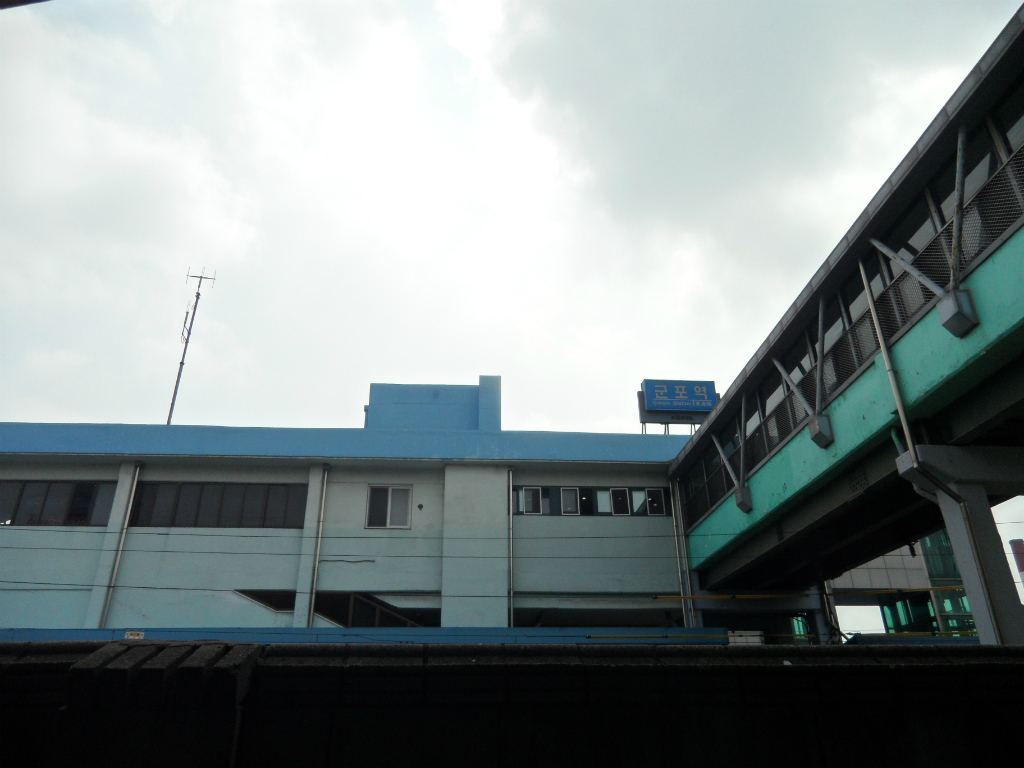
Gunpo sits just south of Seoul in Gyeonggi Province, a city of urban districts pressed against the slopes of Surisan and a ring of smaller mountains. Its centre of gravity is Sanbon New Town, a planned district built around a pedestrian "street of culture" known as Rodeo Street, where restaurants, bars, boutiques and noraebangs cluster beside Sanbon Station. The city is well connected: Lines 1 and 4 of the Seoul Metropolitan Subway serve it, along with three stops on the national Gyeongbu Line, so Seoul and the surrounding cities are within easy reach.
For a visitor, the practical question is which side of the city to base yourself on. The northern neighbourhoods are the urbanised ones, served by the subway and closest to the commercial core; the southern and western neighbourhoods are quieter, more rural or mountainous, and thinner on transport. This guide covers the areas worth considering, what each suits, and how the accommodation tiers generally break down.
Best areas to stay in Gunpo
1. Sanbon-dong
Sanbon-dong is Gunpo's downtown core, built as Sanbon New Town and completed in the mid-1990s. Its centrepiece is the pedestrian street of culture, or Rodeo Street, immediately adjacent to Sanbon Station on Line 4. The street is full of restaurants, bars, clothing boutiques and noraebangs, with a large fountain in the middle and a stage that hosts small concerts and performances on weekends and during festivals. A wider downtown area stretches from Sanbon Station to Geumjeong Station, taking in Sanbon Market and the Cherevil apartment towers.
This is the most convenient base for first-time visitors and for anyone who wants to be within walking distance of food, drink and evening entertainment. It also has the city's largest concentration of foreign English teachers, which means a certain amount of English-language familiarity in the commercial district. The trade-off is that this is the busiest part of the city, and Surisan extends into western Sanbon-dong, so the terrain rises as you move away from the station.
2. Geumjeong-dong
Geumjeong-dong is one of the four heavily urbanised northern neighbourhoods, alongside Sanbon-dong, Dang-dong and Dangjeong-dong. It is served by Geumjeong Station, which is a stop on Line 1 and a transfer station to Line 4, making it the most connected point in the city for onward travel. Gunpo City Hall relocated here from Dang-dong in 1992, and the downtown area that runs from Sanbon Station to Geumjeong Station includes this neighbourhood at its eastern end.
It suits visitors who prioritise transport links over proximity to the nightlife strip, and it puts you within a walk or a short ride of Sanbon's commercial core. Because it sits within the same continuous downtown stretch, you get much of the same access to shops and services without being on top of Rodeo Street itself.
3. Dang-dong and Dangjeong-dong
These two northern neighbourhoods complete the urbanised belt of Gunpo. Dangjeong-dong is served by Dangjeong Station, which opened on both Line 1 and the Gyeongbu Line, connecting the area to the national rail network as well as the Seoul metro. Dang-dong was the original location of Gunpo City Hall before it moved to Geumjeong-dong.
They are a reasonable choice for travellers who want to be in the urban part of the city with metro access but away from the busiest commercial streets. As with the rest of the northern belt, you are within easy reach of Sanbon's downtown by subway or a short taxi ride.
4. Daeya-dong
Daeya-dong lies in the south of the city and is largely rural, though it contains a small urban area of its own. That urban pocket is served by Daeyami station on Line 4, which came into Gunpo's city limits when the surrounding villages were incorporated in 1994. The administrative district of Daeya-dong also covers the legal neighbourhoods of Dundae-dong, Sokdal-dong and Domagyo-dong.
This suits visitors who want a quieter, less built-up base while still having a subway stop. It is a genuine alternative to the northern core rather than a substitute for it: you trade the density of Sanbon for open country, and you rely on Line 4 to reach the sights and the downtown.
5. Bugok-dong
Bugok-dong sits in the south of the city and is largely rural, though it has seen recent urban development. It falls within the administrative neighbourhoods of Gunpo 1-dong and Gunpo 2-dong, which also cover Dang-dong and Dangjeong-dong.
It is the least obvious base for a short visit, since it is neither the commercial core nor a transport hub in its own right. It may suit travellers with a specific reason to be in the southern part of the city, or those who prefer a low-density setting and do not mind travelling to reach the subway.
Where to stay on a budget, mid-range or splurge
- Budget: Gunpo has a small stock of inexpensive places, with rates in the region of ₩35,000 to ₩50,000. These are simple, functional options rather than destination stays, and they are concentrated in the urban northern part of the city near the stations.
- Mid-range: The next tier up runs around ₩50,000 to ₩60,000 and offers a little more comfort and space. Availability in this bracket is limited, so it pays to book ahead if you have a particular area in mind.
- Splurge: Gunpo is not a luxury destination, and the source material does not identify a high-end tier within the city. Travellers looking for upscale accommodation should consider basing themselves in Seoul and visiting Gunpo on the subway, which runs directly from the capital.
Best area for a first visit
Sanbon-dong is the best base for a first visit. It puts you in Gunpo's central hub, within walking distance of Rodeo Street's restaurants, bars and shops, and immediately adjacent to Sanbon Station on Line 4. From there you can reach the rest of the city and connect onward to Seoul without needing to plan around a long transfer.
Frequently asked questions
Do I need a car to get around Gunpo?
No. Lines 1 and 4 of the Seoul Metropolitan Subway serve the city, and there are three stops on the Gyeongbu Line linking it to the rest of the country. The urbanised northern neighbourhoods are all within reach of a station, though the southern and western areas are more rural and less well served.
Which part of Gunpo is best for nightlife and eating out?
Sanbon-dong. The pedestrian street of culture, also called Rodeo Street, is a busy commercial district full of restaurants, bars, clothing boutiques and noraebangs, with a fountain at its centre and occasional weekend performances.
Is Gunpo a practical base for visiting Seoul?
It can be. Gunpo lies south of Seoul within the Seoul National Capital Area and is connected to the capital by Lines 1 and 4, so the city works as a quieter, lower-cost base with a direct rail link into Seoul.
What is there to see around Gunpo?
Sightseeing locations include the Banwol reservoir and the Royal Azaleas Hill, and Surisan is a hiking destination. The western neighbourhoods of Dundae-dong and Sokdal-dong contain large parts of the mountain, and Surisan also extends into western Sanbon-dong.
Compare live prices for your dates with the booking tools on this page before you decide where to base yourself.