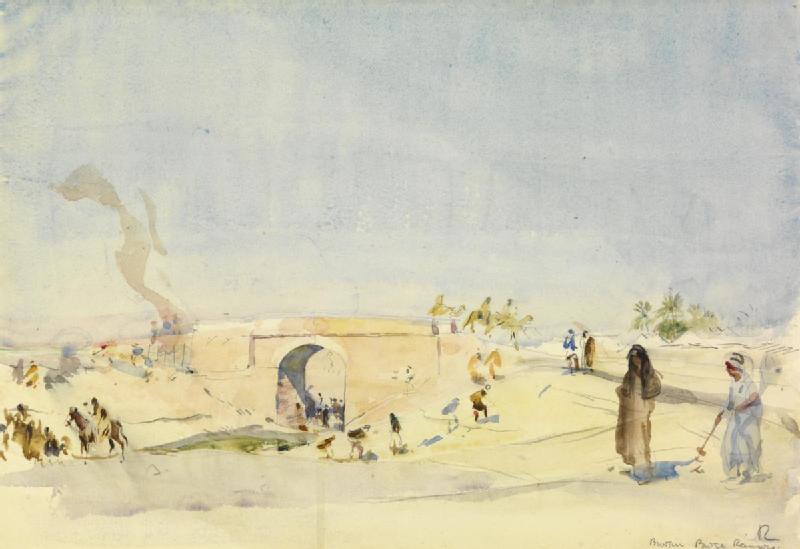
Ramadi sits on the Euphrates about 110 kilometres west of Baghdad, on the road that runs west towards Syria and Jordan. That position has made it a trade and traffic hub, and it has also made the city a repeated focus of conflict, from the two World Wars through the Iraq War and the ISIL occupation to its recapture at the end of 2015. Much of the city was heavily damaged in those years, and reconstruction is ongoing.
For a visitor, the practical geography is simple: the city extends along the Euphrates, which bisects Al Anbar, and the main road west carries the trade and traffic that give Ramadi its livelihood. The University of Anbar is a long-established presence in the city. This guide covers which parts of Ramadi make sense as a base, and what standard of accommodation to expect at each budget level.
Best areas to stay in Ramadi
Ramadi
1. Central Ramadi
The city centre is where government buildings and the main bazaars have historically been concentrated, and it is the most practical base for a short stay. It puts you within reach of the commercial life of the city and the road network that connects Ramadi to Fallujah and Baghdad to the east and to the Syrian and Jordanian routes to the west.
This area suits first-time visitors and anyone whose business is with the governorate administration or local traders. Expect the largest concentration of accommodation in the city here, including the province's biggest hotel property. Note that central Ramadi saw some of the heaviest damage of the conflict years and the recapture of the city, so the streetscape is still a mix of rebuilt and unrepaired fabric.
2. The Euphrates riverside
The city stretches along the Euphrates, and the riverside has been the setting for Ramadi's settlement since long before the modern city existed — travellers in the nineteenth century described the town from the water and noted the cultivated banks and date palms along the river. Basing yourself on the river side of the city keeps you close to the green, irrigated strip rather than the road corridor.
This suits visitors who want a quieter setting and easier access to the parts of Ramadi that remain agricultural and cultivated. The trade-off is distance from the administrative and commercial centre, so plan on transport for anything official.
3. The University of Anbar area
The university, founded in the late 1980s, has been a defining institution of the city and helped give Ramadi a more cosmopolitan and liberal character than other towns in the Sunni Triangle. The area around it draws students, academics and visitors with university business.
This suits longer stays and anyone connected to the university or to the professional and technical networks that grew up around it. It is not the commercial heart of the city, so treat it as a base for a specific purpose rather than for general sightseeing.
Where to stay on a budget, mid-range or splurge
- Budget: Expect simple, locally run places with basic facilities. Availability is limited and standards vary, so confirm what is actually provided before you commit.
- Mid-range: The bulk of the city's usable accommodation falls here — ordinary commercial hotels serving traders, officials and travellers passing through on the western road.
- Splurge: Ramadi's largest hotel property, the Anbar International, is the only large-scale option identified in the province and was expected to open in 2025. Confirm current status directly before planning around it.
Best area for a first visit
Central Ramadi is the sensible base for a first visit. It keeps you near the government quarter, the bazaars and the main road connections, which is where most first-time visitors' business in the city will be. It is also where you are most likely to find accommodation without depending on a single property being open.
Frequently asked questions
How do I get to Ramadi?
Ramadi lies on the main road about 110 kilometres west of Baghdad and 50 kilometres west of Fallujah, and the city's position on the route west into Syria and Jordan has made it a hub for trade and traffic. Road access from Baghdad and Fallujah is the straightforward approach.
Is there much choice of accommodation?
Choice is limited. The largest hotel in Anbar province, the Anbar International, was expected to open in 2025, and beyond that the city's stock is small and oriented towards commercial travellers rather than tourists.
Which part of the city is quietest?
The riverside, along the Euphrates, is the greener and more open side of the city, with cultivated banks and date palms. The centre is busier and more commercial.
Is the city fully rebuilt?
No. Ramadi was heavily damaged during the Iraq War and again during the ISIL occupation and its recapture at the end of 2015, and reconstruction is still under way. Expect a mixed streetscape and check current conditions before you travel.
Compare live prices for your dates with the booking tools on this page before you decide where to base yourself.