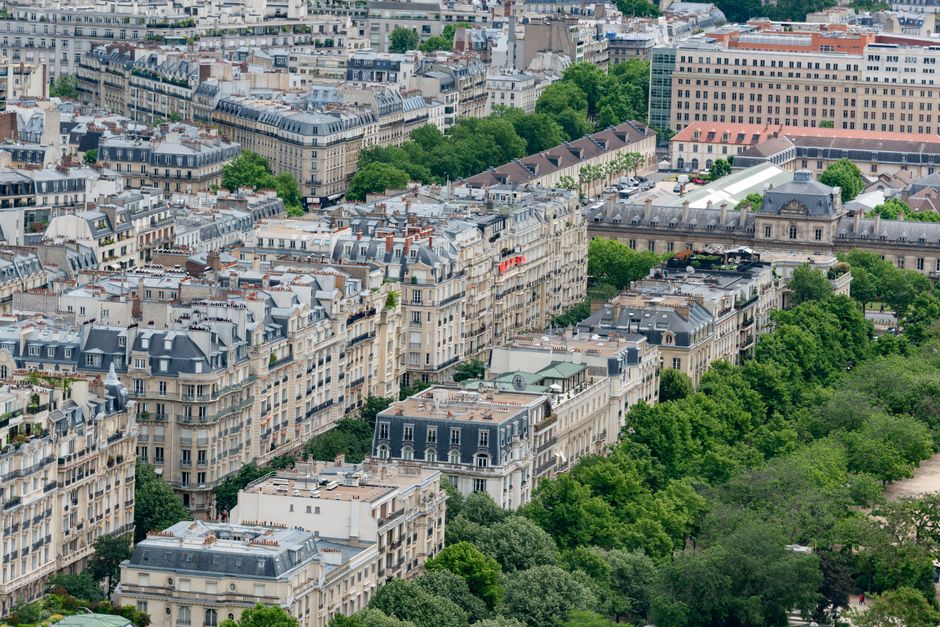
Paris is a city of twenty arrondissements, each with its own character, spread along both banks of the Seine and wrapped by the Périphérique ring road. The Seine and its bridges tie the city together, and the Métro and RER networks make almost any address reachable, so your choice of area shapes your daily rhythm more than your ability to get around.
For a visitor, the practical question is which bank and which arrondissement to base yourself in. Central arrondissements put you within walking distance of the main sights but come with small rooms and high prices; areas farther out trade convenience for lower rates and still connect well by Métro or RER. This guide covers the areas the sources describe, what each suits, and how to think about budget levels.
Best areas to stay in Paris
1. The central arrondissements
The central arrondissements are the most convenient base for a first visit. They tend to be expensive, and with few exceptions the rooms are small, but you are close to the sights and the river. Staying at a more expensive property here buys better service and facilities rather than more space.
This area suits first-time visitors who want to walk to as much as possible and are prepared to pay for location. Note that cheaper properties in popular central arrondissements tend to be older buildings with worn facilities, and even renovated hotels can vary widely between room categories, so check recent reviews with photos before booking.
2. The 12th arrondissement
The 12th arrondissement includes the large Bois de Vincennes park. It gives you green space within the city while remaining connected to the centre by the Métro network.
It suits travellers who want parkland close by and are willing to base themselves slightly away from the densest sightseeing core.
3. The 16th arrondissement
The 16th arrondissement includes the large Bois de Boulogne park. Like the 12th, it pairs residential streets with a substantial park.
It suits visitors who prefer a quieter, greener base on the city's edge and are comfortable using public transport to reach the centre.
4. Outside the city centre or beyond the Périphérique
Hotels outside the city centre, or even outside the Périphérique and Paris itself, can be far cheaper than central ones while still having good transit links via Métro or RER. You should weigh the added cost, time and difficulty of getting around the city against the saving.
This option suits budget-conscious travellers and those staying longer. Be aware that some suburbs outside Paris have a sketchy reputation, so check which ones before committing.
5. The outlying suburbs (La Banlieue)
Beyond Paris, the outlying suburbs are called La Banlieue. Those to the west, such as Boulogne-Billancourt, Saint-Cloud, Levallois, Neuilly-sur-Seine, Poissy, Rueil-Malmaison and Versailles, are wealthy residential communities, though some more middle-class suburbs can be found. Those to the north are poorer and very ethnically diverse. Those to the south mix rough and poor neighbourhoods with very affluent communities, and those to the east are usually lower-middle class mingled with a few upper-middle class communities.
This suits travellers who prioritise lower prices and do not mind commuting in. Weigh the transit links and the character of the specific suburb carefully.
Where to stay on a budget, mid-range or splurge
- Budget: Cheaper hotels in popular arrondissements tend to be older, less attractive properties whose facilities may be worn and outdated. Hotels outside the city centre, or outside the Périphérique and Paris itself, can be far cheaper while still having good Métro or RER links. Apartment rentals can also save money for stays of a week or more, especially for three or more adults.
- Mid-range: Central arrondissements offer a broad spread of properties, but expect small rooms. In Paris, paying more gets you better standards of service and facilities, not necessarily a bigger room; rooms of 12–16 square metres are the norm in central Paris regardless of hotel standard.
- Splurge: International chains limit their presence to a few exclusive and expensive hotels in key locations, and central arrondissements tend to be expensive. Higher rates buy service and facilities rather than space, and almost all Paris hotels observe high and low season pricing, with high season roughly late spring and summer and possibly a couple of weeks around Christmas.
Best area for a first visit
The central arrondissements are the best base for a first visit. They put you closest to the sights and the river, and the small rooms and high prices are the trade-off for that convenience. If you want to walk to as much as possible and are prepared to pay for location, base yourself centrally.
Frequently asked questions
Which area is best for a first-time visitor?
The central arrondissements, because they are the most convenient for reaching the sights, even though they tend to be expensive and the rooms are small.
Can I save money by staying outside the city centre?
Yes. Hotels outside the city centre, or even outside the Périphérique and Paris itself, can be far cheaper than central ones while still having good transit links via Métro or RER. You should weigh the added cost, time and difficulty of getting around the city, and check the reputation of the specific suburb.
Are rooms in central Paris large?
No. Rooms of 12–16 square metres are the norm in central Paris regardless of hotel standard, and paying more gets you better service and facilities rather than a bigger room.
When is high season in Paris?
Paris hotels observe high and low season pricing that differs slightly between properties, but high season usually corresponds to late spring and summer, and possibly a couple of weeks around Christmas.
Compare live prices for the areas that suit you using the booking tools on this page.