A Baroque Classroom Frozen in Time
You walk through the carved wooden doors of the Ancien Collège des Jésuites and step into a 17th-century world of scholarship and faith. This ensemble—classrooms, chapel, refectory, and library—was built by the Society of Jesus to educate the sons of Reims's merchants and nobles during an era of religious conviction and intellectual ambition. The Jesuits closed the college in the 18th century, but the building survived, and today it holds you in its Renaissance and Baroque spaces: grand facades, well-proportioned halls, and a layout designed for both instruction and contemplation. The architecture itself is the lesson—you can read the priorities of the order in the arrangement of rooms, the quality of the woodwork, the prominence of the chapel.
What You See Inside: Art, History, and Living Quarters
- The refectory, where students once ate in silence while a reader spoke from a lectern, now displays paintings by Jean Hélart depicting the lives of Saint Ignatius of Loyola and Saint Francis Xavier—the order's founders—alongside period woodwork that speaks to both austerity and craft.
- A magnificent 17th-century library, its shelves and cabinetry a reminder that the Jesuits were scholars first, and that books were treasured objects.
- The chapel, with its elaborate artwork and religious iconography, where daily prayers and holy days anchored the rhythm of student life.
- A collection of regional furniture that gives glimpses into how the college furnished itself and what aesthetics surrounded daily learning.
Making the Most of Your Visit
Plan to spend one to two hours here, allowing time to absorb both the architecture and the artifacts. Weekdays draw fewer crowds, giving you space to linger in the quiet refectory or study the painted saints on the walls. The college now hosts temporary exhibitions, so check what is on during your visit—the shows rotate and often illuminate specific aspects of Jesuit culture or the college's role in Reims's intellectual life. The building also contains the Planétarium and the Atelier du Patrimoine (Heritage Workshop), so depending on your interests, you may find additional reasons to return. Photography policies vary, so ask on arrival. Guided tours may be available; calling ahead ensures you don't miss one.
Near the College: Cathedral Steps and Champagne Cellars
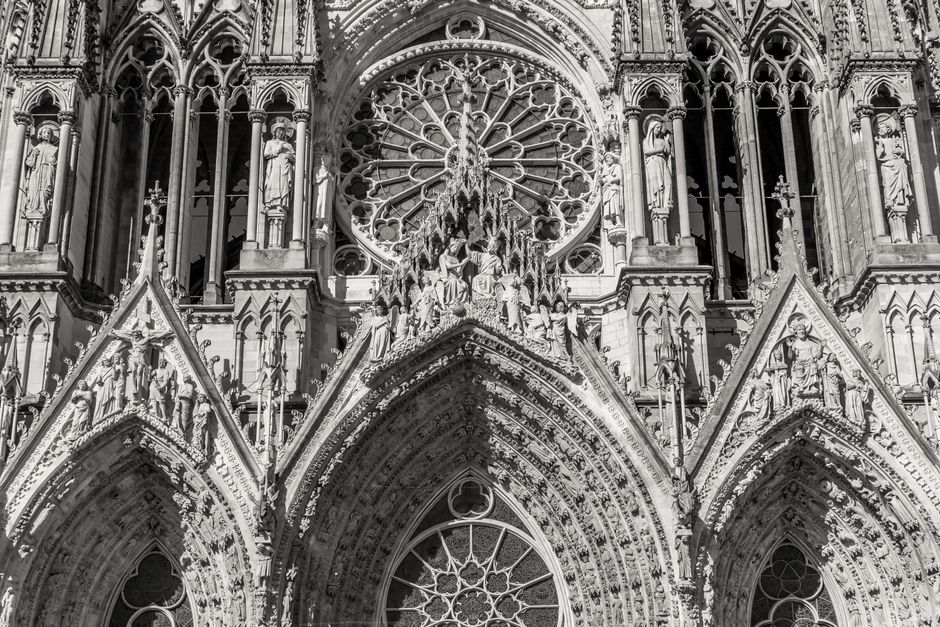
The college sits within Reims's dense historical core. The Cathedral of Notre-Dame de Reims, where French kings were crowned, stands nearby—its Gothic height and stained glass (including windows by Marc Chagall and the local artist Jacques Simon) offer a sharp contrast to the college's inward-looking Renaissance restraint. The Palace of Tau, the archbishop's palace, is steps away. If you want to ground yourself in the present, the champagne houses that riddle Reims—G.H. Mumm, Taittinger, Pommery, Veuve Cliquot, and others—offer guided tours of their chalk caves and cellars, often with a tasting included. The Musée des Beaux-Arts lies a short walk south. On Saturday mornings, the market at Place de la République (07:00–13:00) fills with fish, cheese, and local goods, a livelier counterpoint to the college's scholarly silence.
Start planning your visit by contacting the college or checking the local tourism office for current hours and ticket information. The Ancien Collège des Jésuites rewards slow looking—it is a place where the architecture and objects speak to how education was understood four centuries ago, and how a religious order shaped the intellectual life of a city.