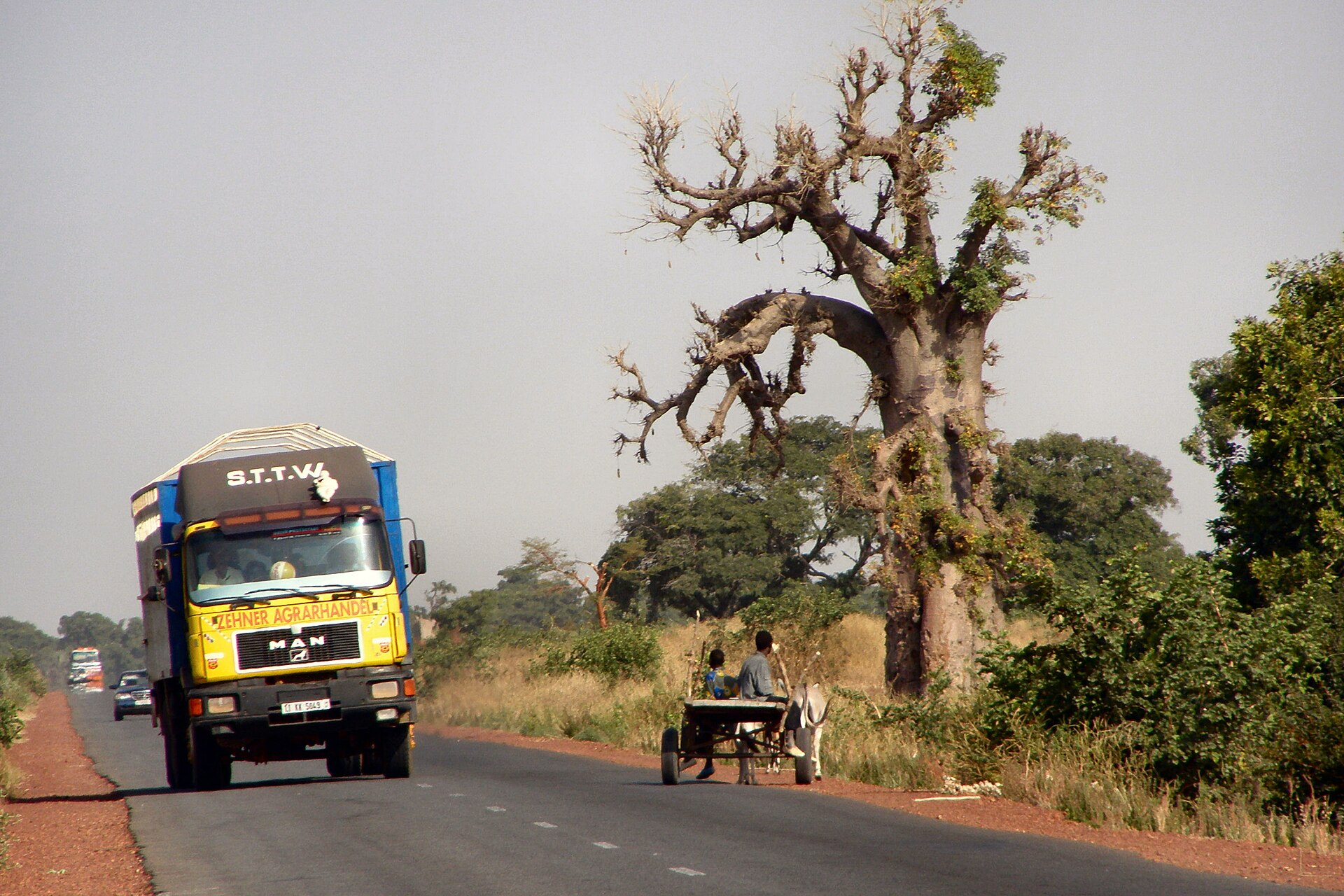
By early evening the heat has begun to lift off the riverbank, and the town turns toward the water. The Niger runs along the southern edge of Ségou, and much of what a visitor does after dark happens within sight or sound of it — a walk along the waterfront, a meal, music drifting from a courtyard, the slow business of sitting outside while the day cools.
Ségou's nightlife is not a district of bars and clubs so much as an evening culture shaped by the river, the market, and the town's role as a regional centre for Bambara music and craft. It suits travellers who are content to eat late, walk, listen to live music, and let the evening be quiet rather than crowded. If you are looking for a dense strip of venues, you will not find it here; if you want a warm, unhurried night in a town that takes its music seriously, you will.
Where to go out in Ségou
1. The waterfront
The riverbank is the natural spine of an evening in Ségou. A walk along the waterfront from the government district to the port takes you past the point where the town meets the Niger, and it is the most reliable way to spend the early part of a night — the light goes, the boats come in, and the temperature drops.
It suits a slow start to the evening rather than a destination in itself. Go before dinner rather than after, and treat it as the walk that sets up the rest of the night.
2. The craft centre on the Mopti road
The craft centre sits in a distinctive bright orange mud building next to large mud quarries along the Mopti road. A guided tour explains how bogolan cloth is made, and you can try your hand at the process yourself; there is also a shop whose work is generally of a higher quality than what you find on market stands.
This is a daytime or late-afternoon stop rather than a night out, but it is worth folding into the same day as your evening plans, particularly if you want to buy something before you go out. Expect a small entry fee for the tour.
3. The Monday market and the pottery district of Kalabougou
Ségou is regarded as the capital of Malian pottery, and the pottery district of Kalabougou lies on the left bank. Women make the pottery by hand using clay from the Niger and bring the finished work to the local Monday market.
The market is a daytime affair, but its rhythm shapes the town's week, and the pottery is one of the things visitors most often come to Ségou for. If your evening in town falls around a Monday, plan the day so the market is your afternoon and the riverbank your evening.
4. Live music and the Festival sur le Niger
The most well-known festival in Ségou is the annual Festival sur le Niger, which celebrates the music, arts and culture of the Bambara people and has included the Caravane culturelle de la paix since 2013. It has combined with Ségou' Art, a contemporary art fair, in recent editions.
Outside festival time, live music in Ségou is tied to the town's standing as a centre of Bambara musical tradition — traditional instruments, griots and folkloric groups form part of its cultural heritage. Ask locally what is on during your stay rather than assuming a fixed venue.
5. The old town of Ségou-Koro
Ségou-Koro, the old town, holds a mosque, Coulibaly's tomb and an ancient tree. The present town stands on the site of Ségou-Sikoro, further along the bank, and the older settlement lies upstream.
This is a place to visit in the cooler hours rather than to go out in at night. Pair it with an evening on the waterfront if you want to spend a day moving between the town's older and newer centres.
6. Eating and drinking in the town centre
The main landmark in the city centre is the water tower, and the centre is where you will find the town's commercial life — the market, the fishing trade and the small-scale farming economy that surrounds Ségou all feed into it. Evenings here are about eating rather than drinking: this is a predominantly Muslim town, and the sources do not describe a bar or nightclub scene.
Plan your night around a meal and company rather than around a venue. If you are looking for alcohol, ask at your accommodation rather than assuming it will be available.
How a night out unfolds
The sources do not give specific hours for eating or going out in Ségou, so treat the following as the shape of an evening rather than a timetable. The reliable pattern is that the heat dictates the rhythm: the middle of the day is for staying still, and the late afternoon and evening are when people move. The waterfront walk from the government district to the port is an early-evening activity, and the Festival sur le Niger runs over six days in early February, when the town's evenings are busiest. Outside festival time, expect a quiet town rather than a late one, and plan to eat before you go out rather than after.
Festivals and events worth timing a trip around
- Festival sur le Niger — an annual music and dance festival held in late January or early February; recent editions have run over six days in early February and have been combined with Ségou' Art, a contemporary art fair.
- Caravane culturelle de la paix — part of the Festival sur le Niger since 2013.
Frequently asked questions
When is the best time of year to plan an evening out in Ségou?
The rainy season runs from June to about September, and the dry season includes a milder period followed by sweltering heat. The Festival sur le Niger falls in late January or early February, which sits in the cooler part of the dry season.
Is there a bar or club scene in Ségou?
The sources describe Ségou's cultural life in terms of music, craft and festivals rather than bars or clubs, and note that the town's places of worship are predominantly Muslim mosques alongside Christian churches. Plan your evening around food, music and the river rather than around a venue.
What is there to do in the evening besides the waterfront?
The craft centre on the Mopti road, with its guided bogolan tour and shop, is a daytime stop that pairs well with an evening walk. The old town of Ségou-Koro, with its mosque, Coulibaly's tomb and ancient tree, is also best visited in the cooler hours.
How long does the Festival sur le Niger run?
Recent editions have taken place over six days in early February, combining with Ségou' Art. The 16th edition was held in 2019, the first year the two were combined.
Decide before you arrive whether your evening is a river walk, a festival night or a quiet meal in the centre, and build the rest of your day around it.