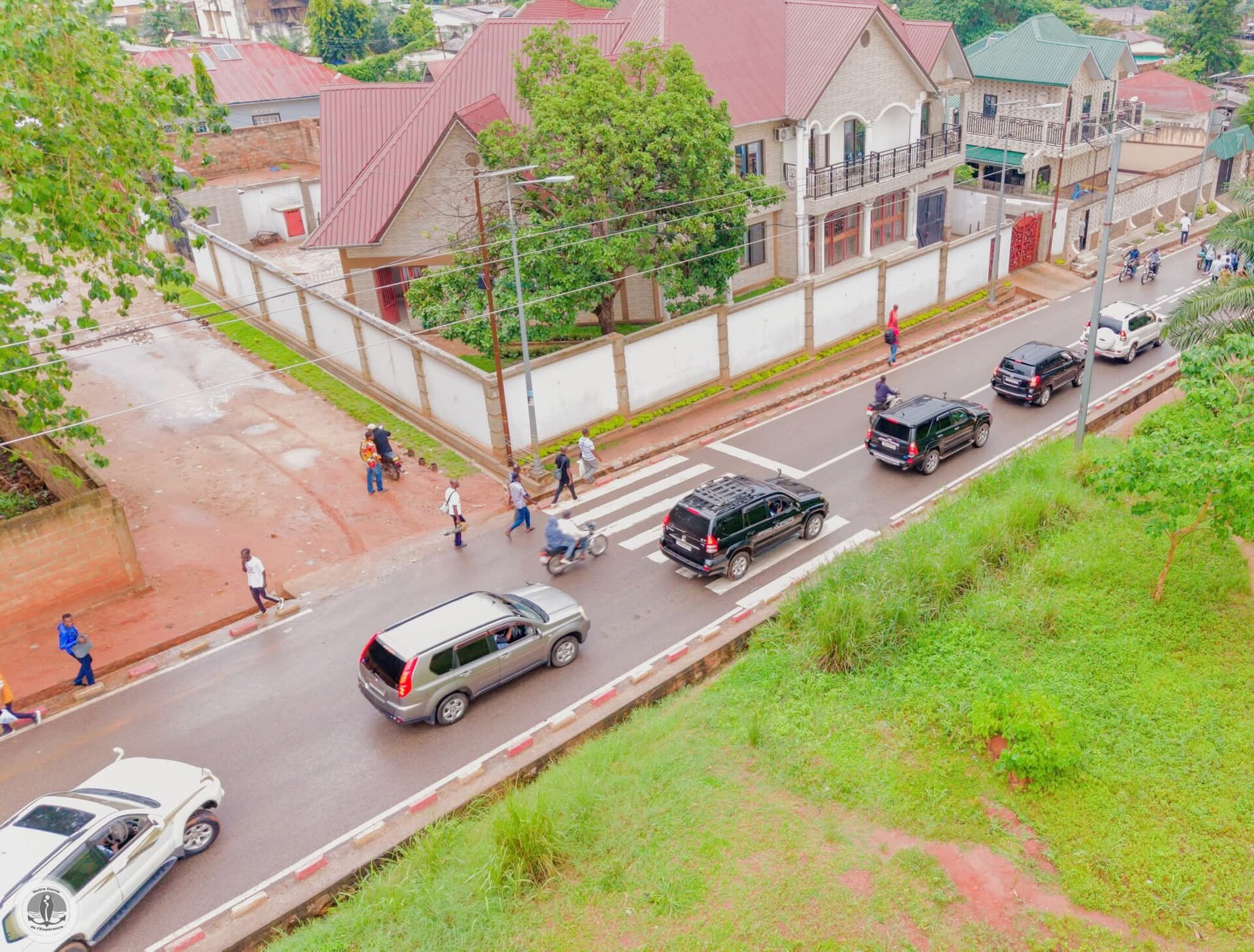
By early evening the heat has begun to lift and the streets of Mbuji-Mayi fill with people heading home, buying food, and gathering in small bars and open-air spots to sit and talk. Music, conversation and the smell of grilled food carry late into the night in the busier quarters.
Nightlife here is informal and neighbourhood-based rather than a polished entertainment district. It suits travellers who are comfortable with a low-key, local rhythm, who value company and conversation over a programmed evening, and who are prepared to arrange transport and keep plans flexible. There is little in the way of a formal visitor-oriented scene, so the night is largely what you make of it with the people around you.
Where to go out in Mbuji-Mayi
1. The city's five communes
Mbuji-Mayi is divided into five communes, and everyday evening life is organised around them rather than around a single nightlife strip. Going out generally means choosing a quarter and settling into whatever bars and eating places serve that neighbourhood.
This suits a quiet night close to where you are staying. Because the communes are administrative divisions rather than entertainment zones, treat them as a way of orienting yourself rather than as a list of destinations.
2. Neighbourhood bars and drinking places
Drinking is a normal part of social life, and small bars and drinking places are where evenings are spent. Expect simple surroundings, local beer and conversation rather than a designed venue experience.
This is the most straightforward kind of night out for a visitor. Practical point: the sources describe drinking as an established local activity but give no details on specific venues, prices or hours, so confirm arrangements locally on the day.
3. Areas around MIBA and the mining company's installations
The city grew around the mining company MIBA, which historically supplied water and electricity and ran its own infrastructure. Lighting and power in the city have long been uneven, so evenings in and around company-served areas have traditionally been more reliably lit than elsewhere.
This suits an early, practical evening. Practical point: the sources note frequent power outages and reliance on wood and charcoal for light and heat, so plan around the possibility of an unlit night.
4. The city centre and paved-road quarters
Only a small share of the city's roads were ever paved, and those that were have often been in poor condition. The paved quarters are where movement after dark is easiest, and where you are most likely to find activity continuing into the evening.
This suits a night when you want to move between a few places without long, rough journeys. Practical point: outside the company-controlled sector the road network has been described as virtually nonexistent, so keep your evening within a compact area.
5. The airport road and arrival-side stops
Air travel is the main way in and out of the city, through Mbuji Mayi Airport. Arrival and departure days generate their own evening activity, with people eating and drinking before or after journeys.
This suits a first or last night in the city. Practical point: the city remains remote, with little connection to surrounding provinces or to Kinshasa and Lubumbashi, so build your evening around your flight rather than around a long trip across town.
How a night out unfolds
The sources do not describe mealtimes, going-out hours or how late venues stay open in Mbuji-Mayi. What they do indicate is that the city's power supply has long been unreliable, with frequent outages and residents turning to wood and charcoal for light and heat. In practice this means evenings tend to be shaped by daylight, by whether power is on, and by the neighbourhood you are in rather than by fixed schedules. Confirm timings locally rather than relying on set hours.
Frequently asked questions
Is there a formal nightlife district in Mbuji-Mayi?
No. The sources describe no entertainment district or nightlife strip. Evening activity is spread across the city's communes and neighbourhoods, and drinking places are part of ordinary local life rather than a visitor circuit.
What should I expect from a bar or drinking place?
Expect something simple and local. The sources confirm that drinking is part of the city's life but name no venues, prices or opening hours, so there is nothing specific to plan around in advance.
How do I get around in the evening?
With difficulty if you range widely. Only a small amount of the road network was ever paved and conditions have been poor, and outside the company-controlled sector roads have been described as virtually nonexistent. Keep your evening within one area and arrange your transport beforehand.
Will there be power in the evening?
Not necessarily. The sources describe frequent power outages and a reliance on wood and charcoal for light and heat, so do not assume reliable electric lighting after dark.
Decide which quarter you are staying in, arrange your transport before dark, and let the evening take the shape the neighbourhood gives it.