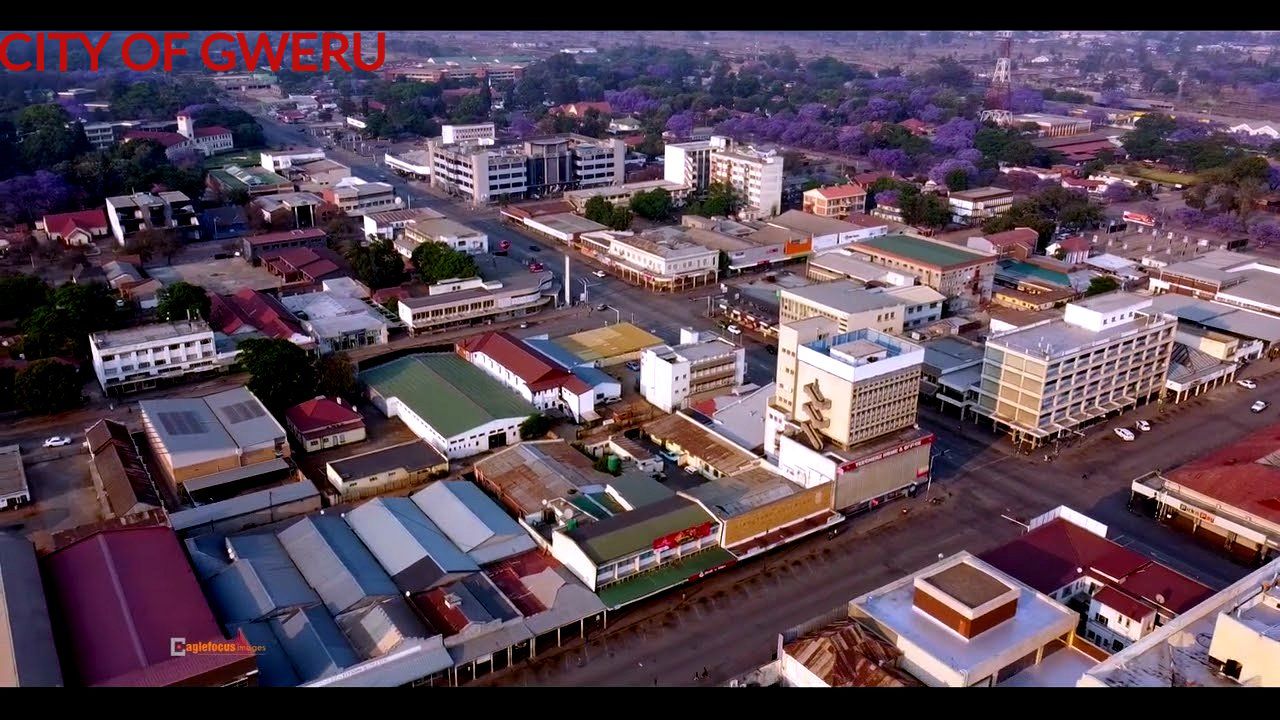
Gweru
Introduction
Gweru, historically known as Gwelo, is the capital of Zimbabwe's Midlands Province. The settlement began in 1894 as a military outpost founded by Leander Starr Jameson, on ground the Ndebele people had called "The Steep Place" for the high banks of the Gweru River. It gained municipal status in 1914 and was declared a city in 1971.
Your sense of the city starts with that river setting and a history that runs from frontier outpost to provincial capital. The source material for this guide is limited, so treat this introduction as a starting point rather than a full portrait.
Before you go
The source material for Gweru is too thin to support a "Before you go" section. The only headings present are "Understand" and "Stay safe," and both are empty, so there is nothing to draw on regarding when to visit, what to pack, how to prepare, or what to expect on arrival. Writing this section would mean inventing details, which this guide will not do. If you are compiling the guide, this section needs source content first: practical information on climate and seasons, transport connections, money and communications, and any health or safety considerations. Once that material exists, a proper "Before you go" section can be written from it.Getting there
Gweru sits roughly midway between Bulawayo and Harare, with Masvingo also within easy reach, so most travellers arrive overland. Buses run frequently between Gweru and Bulawayo, and the trip takes two to three hours.
Reaching the city by rail is not currently an option: the National Railways of Zimbabwe service was suspended during the Covid-19 pandemic and remains suspended. Plan your journey around road transport instead.
Getting around
Gweru has no metro, tram or light rail, so getting around relies on road transport: taxis, kombis (shared minibuses), arranged drivers and, to a lesser extent, app-based rides. The city is compact, and the downtown is walkable during the day, with central landmarks close together — the Boggie clock tower, for instance, stands at the intersection of Main Street and Robert Mugabe Way. For anything beyond the immediate centre, plan on a vehicle rather than a walk.
Kombis are cheap and widely used but reward local knowledge, since routes, ranks and stopping points are not always obvious to a newcomer; it helps enormously if a local contact explains which rank serves your destination and where to get off. Taxis and app-based rides such as inDrive and Vaya exist, though app supply is lighter than in Harare, so do not assume a car will appear quickly at any hour, particularly outside the centre. Taxis or a pre-arranged driver are the sensible choice for a first arrival, with luggage, after dark, or for an outlying address, and known local drivers are a valuable contact to keep. For lodge and outskirt trips — Antelope Park, for example — agree a route package in advance that includes waiting time and the return leg rather than expecting to flag something down on the spot. Where you stay shapes how easily you move: accommodation in the city centre puts you close to buses and taxis, while the railway and bus-station side, the university side, and the lodge or Antelope Park route side each suit a different onward itinerary, so pick your base according to where you are going next.
- In town: walk the centre by day; use taxis or kombis for anything farther.
- Across the city: taxis, arranged drivers, or kombis with local guidance.
- To other cities: long-distance buses — confirm operator, departure point and reporting time.
- By rail: confirm NRZ service status first; passenger trains have been suspended.
- From the airport: fly into Bulawayo (BUQ) or Harare (HRE), then continue by road.
- For lodges and the wider region: hire a car with a driver and agree the package in advance.
Where to stay
Gweru's budget options are clustered around the city centre and nearby suburbs, and most are simple lodges and guest houses rather than large hotels. The YWCA Hostel on Mkobal accepts both men and women. The Baptist Convention of Zimbabwe Lodge sits on the corner of Lobengula Avenue and Kopje Road, close to the Gweru military museum, and offers single or double rooms with outside bathrooms. On Rekayi Tangwena Road, near Windsor Park school, Trends Galore Guest House provides double rooms with their own bathroom, a TV, a fridge and breakfast. Two more central choices are Much Better Lodge on Third Street and Shumba Lodge on Robert Mugabe Way, both offering single or double rooms, the latter with its own bathroom.
For something mid-range, the Midlands Hotel on Main Street is a historic colonial hotel dating from 1927, though it now operates as a fairly basic place to stay. Kopje Road holds several guest houses: Kanyi Guest House, Pamusha Guest Lodge, which has double rooms with private bathrooms, and Hillside Guest House, which runs as a bed and breakfast.
Food & drink
For a quick meal, food express outlets in Gweru serve chicken, pizza and burgers, and everything on offer is Halal, so you can eat without worrying about how the meat was prepared. The city's eating options are otherwise simple and informal, with the emphasis on fast food rather than long sit-down meals. The source gives no detail on specific restaurants, cafés or bars, so treat the food scene as straightforward and convenient rather than a destination in itself. If you have particular dietary needs beyond Halal, check with your accommodation on arrival.What to see and do
In Gweru you can start with the landmarks in the centre: the Boggie Clock Tower and St. Theresa Cathedral are both worth a look, and the Zimbabwe Military Museum gives you a sense of the country's military history. Outside the city, the Nalatale and Danangombe archaeological sites are there for anyone interested in the region's past. For something more hands-on, head to Antelope Park, home to the African Lion Environmental Research Trust (ALERT) and the world's first Lion Rehabilitation & Release into the Wild Programme. You can walk with the lions, play with cubs, and swim with lions and elephants, watching them in a safe environment while contributing to the survival of the African lion. Back in town, Gweru Theatre is an option for an evening out.Three days in Gweru
Day one: Start in the centre of Gweru, the Midlands Province capital once known as Gwelo, and get your bearings along Main Street and Robert Mugabe Way. Use kombis or taxis to move around, or a Vaya if you prefer to arrange rides ahead. Take in the colonial history tied to Leander Starr Jameson and the Ndebele, and keep an eye out for The Steep Place and the Gweru River as you cross the city.
- Main Street and Robert Mugabe Way for the central grid
- Kombis, taxis or Vaya for getting around
- The Steep Place and the Gweru River
Day two: Give the day to Antelope Park, the city's best-known draw, and plan ahead since arrangements can shift. Before you go, understand that Covid disrupted travel and services, so confirm what is running. Stay flexible and use the park as your anchor for the day.
- Antelope Park
- Confirm arrangements before setting out
Day three: Use Gweru as a base for the wider region. Buses and the National Railways link the city with Bulawayo, Harare and Masvingo, so you can reach the next stop by road or rail. If you are returning through NRZ services, check times once you are in town.
- Buses to Bulawayo, Harare and Masvingo
- National Railways (NRZ) connections