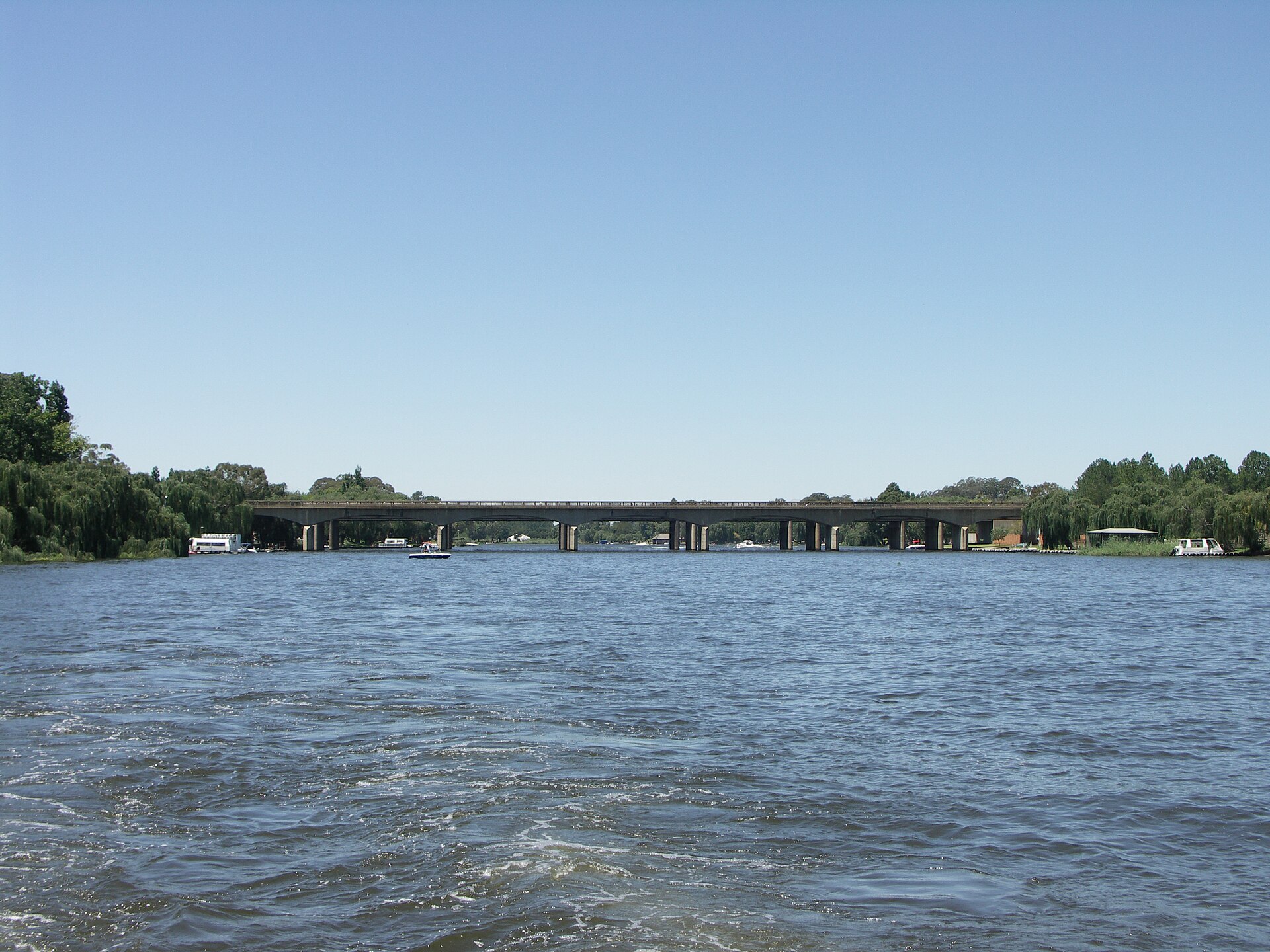
Vanderbijlpark
Introduction
Vanderbijlpark is an industrial city on the Vaal River, in the south of Gauteng province. It takes its name from Hendrik van der Bijl, the electrical engineer and industrialist.
Getting around
Vanderbijlpark is a car-oriented city, and driving yourself is the easiest and most flexible way to get around. A car lets you reach the riverfront attractions, the CBD, the university campuses on the banks of the Vaal, and the neighbouring towns of the Vaal Triangle on your own schedule, and renting one is the most practical option if you plan to explore beyond the city centre. Self-drive also makes day trips to Vereeniging and Sasolburg straightforward. The city was laid out in a circular design rather than a grid, divided into four residential blocks (CE, CW, SE and SW) with numbered suburbs inside each, so addresses are usually given as a block-and-number combination — keep your destination pinned on a map before you set off. Be alert for petty theft and vehicle crime, and avoid isolated spots at night, particularly around Bophelong and the industrial precincts.
Public transport exists but is geared mainly toward commuters rather than sightseeing, and services thin out considerably after dark, so plan your day around daylight hours and arrange your return trip in advance. Minibus taxis are the workhorse of local commuting and also link the wider Vaal Triangle to Johannesburg; they are cheap but run on informal routes and schedules. Metered taxis handle point-to-point trips, and ride-hailing apps — Bolt and Uber — both operate in the city and are generally the most convenient option for visitors without a car. Scheduled intercity coaches such as Intercape and Greyhound call at Vereeniging or nearby rather than in Vanderbijlpark itself, so you will need a local connection for the final leg; local buses and shuttles cover shorter hops within the Vaal Triangle. Vanderbijlpark has no major commuter rail station — the nearest significant stop is Vereeniging, on the Metrorail corridor from Johannesburg, with basic, sometimes slow or irregular services best used during the day. There is no tram or metro system. Walking is pleasant on the Vaal River promenade from Lakeside through to the CBD, but the circular layout and the distances between the CBD, the riverfront and the townships mean most trips are better done by vehicle; keep to well-lit, populated areas and avoid walking in isolated places at night.
When to go
Vanderbijlpark sits on the highveld at 1,500 metres, which shapes the year into warm to hot summers and cool to warm winters. In summer, days are warm to hot while nights stay mild, so plan around the midday heat and expect the highveld's summer rainfall.
Winter brings cool to warm days, but nights turn cold and frost is possible on the highveld. Pack warm layers for early mornings and evenings if you visit in this season.
Three days in Vanderbijlpark
Day one: Start by getting your bearings in Vanderbijlpark, a town on the Vaal River in Gauteng. Spend the morning in the CBD, then head to the Vaal River, where Lakeside offers a relaxed waterside setting. In the evening, eat at one of the restaurants in the CBD or near the river.
Day two: Use Vanderbijlpark as your base for exploring the Vaal Triangle. Vereeniging and Sasolburg are both within easy reach, and the Vaal River links the area. If you want to stay closer, the suburbs of CE, CW, SE and SW each have their own character, and Bophelong is another part of town worth a look.
Day three: Slow down and take in the river one more time. Winter days here can be bitterly cold, so pack accordingly, while summer is warm. For getting around, minibus taxis run throughout the townships and the CBD, metered taxis and Uber or Bolt are options, and scheduled services such as Intercape, Greyhound and Metrorail connect Vanderbijlpark with Johannesburg and other centres. Walking is best kept to the day and to areas you know.