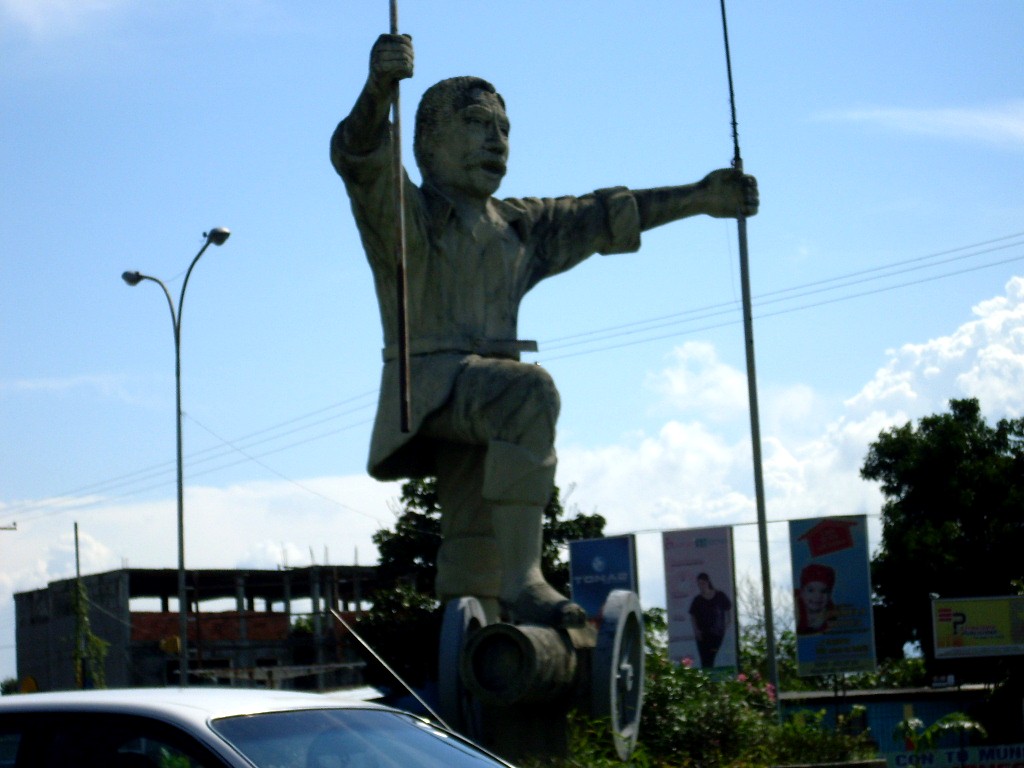
Acarigua
Introduction
Acarigua is a city in northwestern Venezuela, in the northern part of the state of Portuguesa, and it once served as the state's capital. Founded as San Miguel de Acarigua in 1620, it encompasses the Páez municipality.
Before you go
Before you go, understand that Acarigua sits in Venezuela's Llanos, a sparsely populated region whose life revolves around extensive cattle-ranching, worked by tough farmers and cowboys. Plan for a place shaped by that rural rhythm rather than by big-city comforts. The source material for this guide is thin, and its safety section is empty, so treat your own preparation as the priority: check current conditions before you commit to travelling, and keep your plans flexible.Getting there
The source material for Acarigua contains no information about getting there, so there is nothing to ground this section in. Rather than invent transport options, routes or terminals, this section should be left unwritten until a source covering arrival by air, road or bus is available.Getting around
Acarigua and neighbouring Araure run into each other, so treat them as one built-up area when you plan your movements. Public transport is entirely road-based: buses and similar services are the realistic way to travel between Acarigua and other towns and to reach the city from the surrounding area, with the José Antonio Páez Highway as the main access road into town. There is no metro or tram network, so don't plan on getting around the city itself by rail. The Central Western Railway System does serve Acarigua, but it is a regional link rather than an urban transit system.
- Taxis are the standard way to cover short trips within Acarigua and across into contiguous Araure, and they are the simplest option if you don't know the local bus routes.
- Walking works well within a single neighbourhood or between nearby points, helped by the shade of the saman trees along the streets, but use a taxi or bus for longer cross-city trips or the run over to Araure.
- From Oswaldo Guevara Mujica Airport, arrange your onward transfer on arrival: the airport sits outside the walkable core, and your options are a taxi or road transport along the José Antonio Páez Highway.
Where to stay
For a stay in the region, look to the countryside rather than the city itself. Posada Doña Bárbara sits on the San Silvestre–San Rafael de Canaguá road in Barinas state, about an hour's drive from the state capital, putting you out among the landscapes of the Andean foothills instead of in town. It is the one mid-range option the guide lists here, so plan around it if you want a comfortable base for exploring the surrounding countryside. Book ahead by phone, as reservations are handled separately from the posada itself.Food & drink
In Acarigua you can try chiguiré, or capybara, meat, a regional dish worth seeking out while you are in the city. The local beef is also held to be among the best in Venezuela, so meat features prominently in the food you will find here.What to see and do
Acarigua sits in the Llanos, and the flat landscapes here are the main draw. The plains are home to anacondas, capybaras and caimans, along with hundreds of bird species. If you are lucky, you may also spot jaguars and anteaters. The region is the last stronghold of the Orinoco Crocodile.
To see the wildlife, head out on a plains safari from one of the ranches in the region. In the evening, you can dance to joropo, the traditional music of the Llanos.
When to go
Acarigua has a tropical savanna climate, so you plan around a wet season and a dry season rather than four seasons. In the wet season, rain is frequent and heavy, the countryside turns lush and green, and humidity runs high. Roads can turn muddy, so it pays to schedule outdoor activities around the afternoon downpours.
The dry season brings much less rainfall and drier, dustier conditions. Vegetation browns off and water levels drop, but travel and outdoor sightseeing are generally easier during this stretch.
Three days in Acarigua
Day one begins in Acarigua itself, founded as San Miguel and sitting in Portuguesa within the Llanos. Rather than rush out, plan a slow first day around the centre, where walking and taxis make it easy to get your bearings. The Central Western Railway System once linked this ground to the wider region, and the José Antonio Páez Highway still carries you in and out. From Oswaldo Guevara Mujica Airport you can arrange the rest of your stay, and if you want a base with local character, book a posada such as Posada Doña Bárbara.
Day two takes you to Araure, close enough to pair with Acarigua in a single outing. Public transport, taxis and walking cover the ground between them, so you can move at your own pace. The two towns share a history bound up with the Páez name, and the surrounding vegetation and roads open toward the Llanos. Keep the day unhurried and let the heat of the plains set your rhythm.
Day three heads south and west, following routes toward San Silvestre, San Rafael and Canagu, with Barinas and the Andean foothills beyond. This is Orinoco Crocodile country in the lowlands, so watch the water and the vegetation along the way. If time allows, loop back through Acarigua before you leave, and book your onward travel in advance rather than leaving it to the last minute.