San Juan de los Morros
Introduction
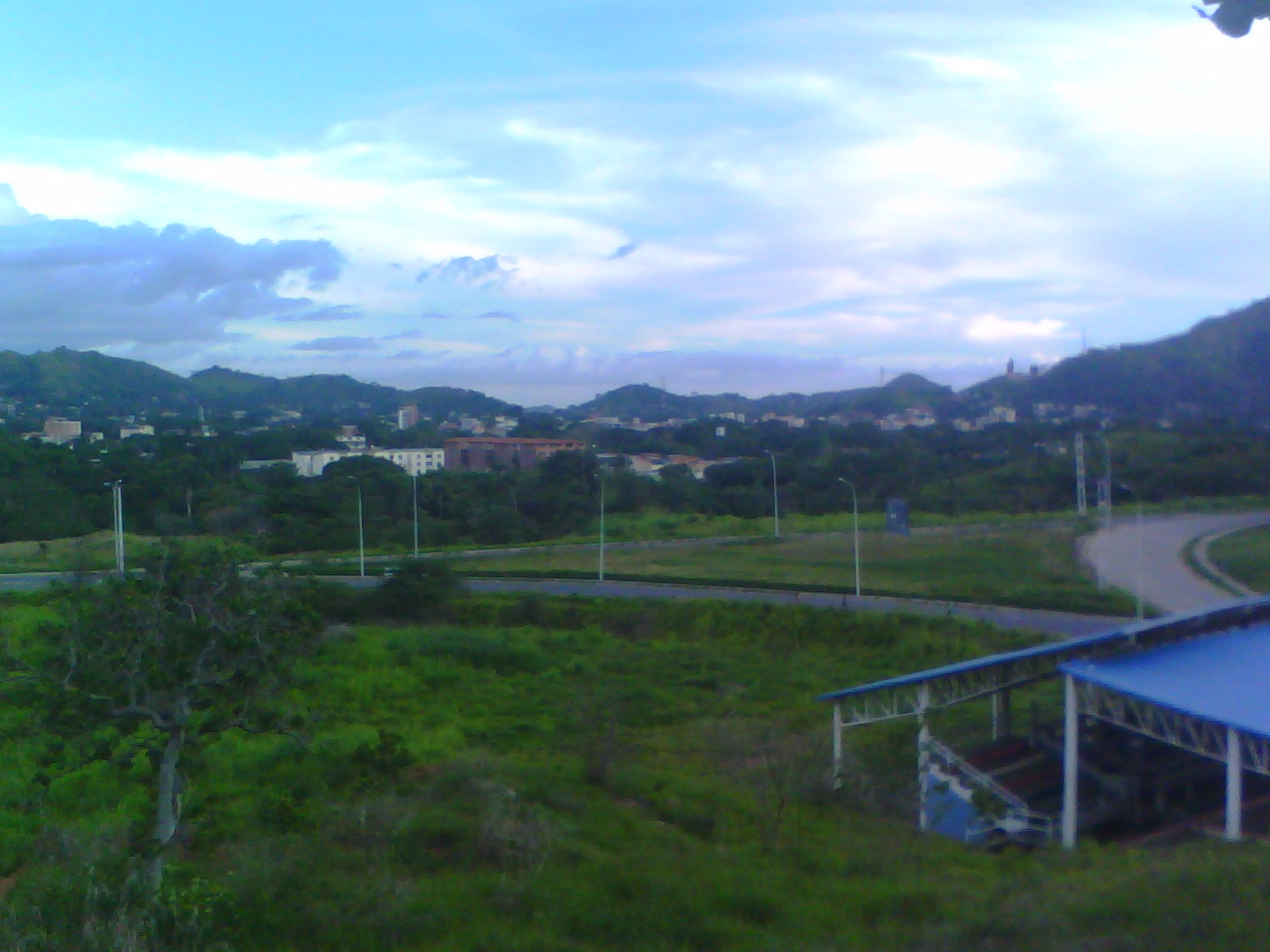
San Juan de los Morros is the capital of Guárico State in Venezuela, and it is known as the "Gateway to the Central Plains". The city sits in a landscape dominated by mountains, which shape both its setting and its character.
It is the most densely populated city in Guárico State, and the second most populated after Calabozo. Use it as a starting point for the plains that begin beyond the mountains.
Getting around
San Juan de los Morros has no rail, metro or tram network, so all movement into and around the city is by road. Buses are the main form of public transport for longer journeys, departing from the Terminal de Pasajeros San Juan de los Morros, where you can catch intercity services to other towns in Guárico and beyond. Many routes are not direct: to reach Calabozo, for example, you travel first to the Terminal Central de Maracay in Aragua State and then take a second bus onward, with the first leg taking roughly an hour and the second several hours. The state bus company SITSSA operates on these routes, but frequency is limited, so check schedules carefully before committing to a plan. Within the city, local buses and por puestos (shared cars or vans running fixed routes) are the usual way residents get around; fares are paid in cash on board in the local currency, so keep small notes and coins with you. Services generally run through the day and taper off in the evening.
Taxis are widely available and are the most practical option for trips local buses do not cover conveniently, such as reaching the hot springs or the hilltop monuments. Taxis are not metered in the way you might expect in larger cities, so agree on the fare before you get in; for longer trips a taxi or private car is far quicker than the bus. Ride-hailing apps have a limited presence, so it is safer to have a taxi arranged through your hotel or a local contact. The historic centre is compact enough to explore on foot, and walking is a good way to see the central squares, Bolívar Square and the historic site known as "La Puerta." However, the city grew up among hills and ravines, so many routes involve steep gradients and uneven ground, and the major viewpoints and monuments sit on high ground and are not comfortably reachable on foot for everyone. Wear sturdy shoes, carry water, and use a taxi for the uphill stretches, especially in the heat. If you fly into the small regional Guarico Municipal Airport, arrange ground transport in advance, as there is no rail link and no dedicated airport bus service; most visitors arriving from abroad land elsewhere in Venezuela and continue overland. The city is connected to the south with Parapara and Ortiz by a national highway, and this is the road network you will use for onward travel within Guárico and toward neighbouring states such as Aragua.
When to go
San Juan de los Morros is hot all year, so your choice of season is really a choice between damp and drier heat. The dry, clearer spell runs from late December to late March, with February the driest month and January the clearest. Humidity is at its lowest during this window, though the heat stays strong, making it the best time of year for hot-weather activities and the most favourable conditions for outdoor plans.
- Late December to late March: least rain, clearest skies, lowest humidity — the best window for outdoor plans.
- Late March to late December: frequent, heavy rain peaking in August, with overcast or mostly cloudy skies for most of the stretch, worst in May.
Outside that dry spell, expect persistent damp heat and limited clear views. The air turns muggy and oppressive, with October the muggiest month, so plan around the wet, cloudy season if you want reliable conditions for being outside.
Three days in San Juan de los Morros
Day one: Arrive in San Juan de los Morros, the capital of Guárico State and a gateway to the Central Plains. Use the buses at the Terminal de Pasajeros San Juan to reach the centre, or take a taxi for a short ride to Bolívar Square, the town's main reference point. Settle in and get your bearings on foot.
Day two: Head out to La Puerta, a spot within easy reach of town. If you are travelling onward, note that many buses from the Terminal Central connect San Juan with Maracay in Aragua State, and SITSSA services also operate in the area. Taxis are available for shorter trips around town.
Day three: Plan around the weather, which is warm and humid for much of the year. December through March, and especially late December to late March, is the drier stretch; August is another month to keep in mind. If you prefer to fly, Guárico Municipal Airport serves the area, with Parapara and Ortiz in Aragua among the nearby points. Calabozo lies further into the plains if you want to extend your route.