Puerto La Cruz
Introduction
Puerto La Cruz is a port city in Anzoátegui State, Venezuela, and the seat of the Juan Antonio Sotillo Municipality. It sits within easy reach of several neighbouring places, with road connections to the state capital, Barcelona, as well as to Lechería and Guanta.
Use the city as a base for exploring this stretch of the Venezuelan coast, since the roads link it directly to those nearby towns and the state capital.
Getting there
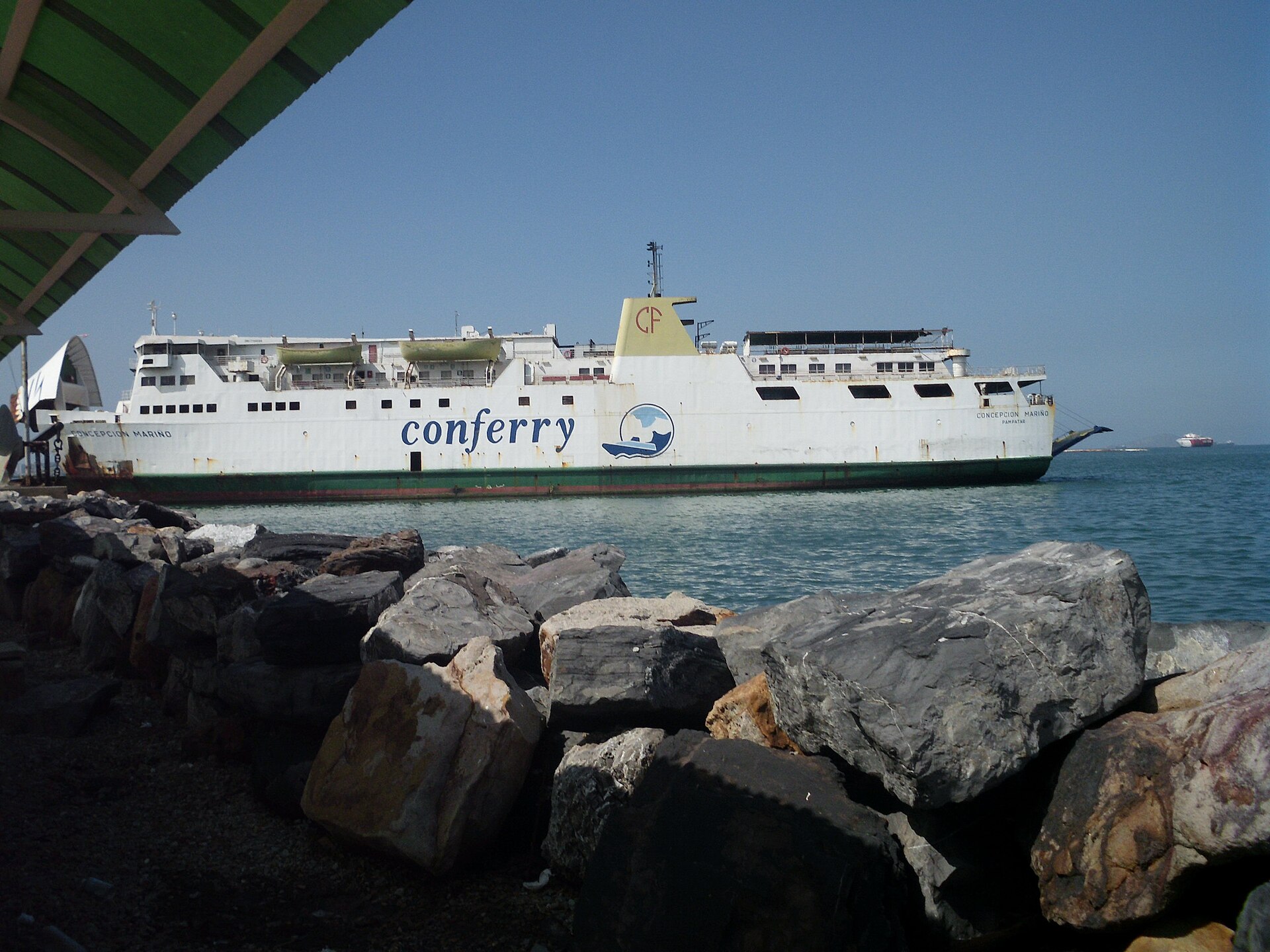
Flying into Puerto La Cruz is the quickest option but can be expensive, especially on the short hop from Caracas. Booking early and avoiding peak holiday periods brings the cost down considerably. The nearest airport is in Barcelona, the capital of Anzoátegui state, from which you'll need a cab ride of around half an hour into Puerto La Cruz. At the airport, stick to the official cabs; unofficial "piratas" operate there and can be dangerous. Have your hotel details to hand before you arrive, since drivers aren't reliable sources of advice on where to stay. If you'd rather travel overland, Rodovias de Venezuela runs buses from Caracas to Puerto La Cruz, with departures roughly every hour until late evening. Local people can point you to the nearest terminal, or you can take the Metro to the "Colegios de Ingenieros" station, where the bus terminal is immediately visible once you head upstairs. The journey takes around six hours and the air conditioning is kept cold, so bring a sweatshirt. You'll arrive at the bus terminal in downtown Puerto La Cruz, which is not the best part of town, so take the usual precautions. By sea, Puerto La Cruz serves as the main seaport for Venezuela's Caribbean islands, with several ferries a week, most of them run by Conferry.Getting around
Puerto La Cruz spreads along the Caribbean shore, with wide avenues running north–south and east–west, and road transport is what you will rely on: there is no metro, urban rail or tram, so plan around taxis, local buses and your own two feet. Taxis are widely considered the best, fastest and safest way to get around. Fares are much higher than the local bus, but you save time and avoid working out which bus goes where — something even locals sometimes find confusing. Always use "legal" taxis, marked with the name of the cab company, and avoid unofficial "pirata" cabs: they look like ordinary cars, are often in poor mechanical condition, and there have been reports of kidnappings and robbery involving them. Bargaining is part of Venezuelan culture, so it is normal to ask your driver for a discount. Local buses are the cheapest option but generally old and uncomfortable, with routes that can be hard to figure out.
Walking works well for exploring a specific area rather than the whole city. Paseo Colón, the seafront avenue bordering the Bay of Pozuelos, has a boulevard where the Holy Cross, the symbol of the city, stands, along with well-known hotels. Avenida 5 Julio is the most popular avenue for shopping, and Avenida Municipal is the main avenue, with two main traffic lanes and two service lanes in each direction. Between districts, the city's size and its wide, traffic-heavy avenues make walking less practical, so most visitors combine walking in one area with taxis for longer hops. For the beaches, boats are a genuine part of getting around: head to Paseo Colón, where boat stations sit at the west and east ends of the avenue. Services supposedly leave every 30 minutes, though operators sometimes wait as long as possible to fill up, so you may need to be a little pushy. Island beaches have white sand and clear water, while land-side beaches have brown sand and clear water. Ferries also connect the mainland with Isla Margarita, with the ferry terminal west of the city and Conferry offering the most routes, a few sailings per week; beaches in Mochima National Park can also be reached from nearby Lechería. If you are heading out of town, you will generally need to return to the bus terminal downtown to pick up a car or bus to your destination. The terminal is not especially tourist-friendly and it can be hard to work out where to buy tickets, but every counter has its destination painted on the window, and you will usually find several people nearby offering to help.
Where to stay
For sea views, consider Hotel Rasil, a recommended mid-range option. Another mid-range choice is Punta Palma Hotel & Marina on Avenida La Costa in Lechería, which has the feel of a resort that could fit in with the Cancun crowd. If you're after something more upscale, Hotel Venetur Maremares on Av R-17 is the business and five-star hotel of choice in Puerto La Cruz, sprawling across spacious, verdant grounds with a lovely pool.Food & drink
Venezuelan cooking is full of flavour without being spicy, and you should work your way through as much of it as you can. Empanadas come in a corn-flour dough, deep fried, and stuffed with anything from cheese and ground beef to fish, black beans, oysters and clams along the coast. Arepas are the cornmeal cakes you will see everywhere, grilled, baked or fried, then split and filled with cheese and deli meats as an arepa rellena. Pabellón criollo is the plate to order for a full meal: rice, shredded beef and stewed black beans, which you can ask to come with tajadas, fried plantain slices, or a fried egg on top. The shredded beef may be replaced with chigüire, caimán or freshwater fish depending on the region and the time of year. Also look for cachapas, corn pancakes served with butter and white cheese; tequeños, fried bread sticks filled with white cheese and a fixture of parties; and tostones, twice-fried green plantain slices salted and eaten like chips. Beyond Venezuelan food you will find good authentic Italian, Mediterranean, Spanish and Chinese restaurants; Mexican food is not popular here, so save the burrito for home.
For drinks, take every chance to try real fruit juice, whether in a restaurant or from a street stall, and simply ask for your favourite tropical fruit. Malta is a sweet, dark, non-alcoholic carbonated malt drink, brewed from barley and hops like beer but often served over ice. The country is also known for high-quality rum, with Santa Teresa and Pampero Aniversario among the best brands. In Puerto La Cruz and neighbouring Lecherías, Bambuda is a sushi bar with a wide range of drinks, open at any time of day and popular with clubbers for its lounge and dance areas, while Manssion is a nightclub in the El Morro area of Lecherías.
What to see and do
Start your sightseeing around the city itself, where Paseo Colón, Andrés Eloy Blanco Park, the Laguna Natural Maguey and La Toma give you a mix of promenade, green space and lagoon scenery. On the arid Isla El Morro peninsula, Mirador El Morro is a fine vantage point, complete with a Virgin Mary monument, looking back at the Venezuelan mainland and out toward some of the islands of Parque Mochima. From there you can walk to the tip of the peninsula, cycle the trails, drop down to El Morro beach below the viewpoint, or simply take in a sunrise or sunset. Nearby, Fortín Doña Magdalena, also known as El Morro de Lechería, is a colonial Spanish fort built around 1799 to fend off English, French and Dutch intruders and pirates after the new colony of Barcelona and this prized spot beside the Neveri River; the grounds are somewhat interesting and the views and photo opportunities worthwhile, though it is perhaps better not to linger too long after dark.
The biggest draw, though, is Mochima National Park, which offers ecotourism and straightforward recreation alike. It takes in a mainland portion and 32 islands, with arid, scrub-like topography, dolphins, monkeys and secluded beaches. Reaching much of it requires marine transport, and Puerto de la Cruz harbour is one starting point for arranging this through the various tour operators. Beaches are the other main activity: Playa Muerta, despite its uninviting name, is popular and good for watching the sunset, while Playa Punta La Cruz, part of Parque Nacional Mochima, and Playa Puinare, on Chimana Grande Island, are both alluring and reachable only by boat. If you would rather learn something while you are here, Playa Colorada, half an hour along the coast, is a famous Venezuelan beach and a good place to study Spanish.
Three days in Puerto La Cruz
Day one: Start in Puerto La Cruz itself, walking the Paseo Colón along the Bay of Pozuelos to get your bearings. Continue to Avenida Municipal and the Holy Cross area, where the city's commercial life is concentrated. Between these points you can see how the Juan Antonio Sotillo Municipality fits together, with the Caribbean on one side and the Anzoátegui State interior behind it.
Day two: Use Puerto La Cruz as a base for the wider conurbation. Head to Barcelona and Lechería, both close by, and consider Guanta if you want to see how the coast changes. Local taxis and the Metro cover these routes; fares are negotiable, so bargaining is expected. If you prefer to arrange transport in advance, booking through Conferry or the Rodovias network is an option.
Day three: Fly out from Caracas if your onward plans require it, or spend the day revisiting the parts of Puerto La Cruz you liked best. Venezuelan coastal life here is warm and humid for much of the year, so plan around the heat. Always keep walking routes simple and use taxis after dark.