Richmond
Introduction
Richmond sits in the East Bay region of the San Francisco Bay Area, in western Contra Costa County. The city borders San Pablo, Albany, El Cerrito and Pinole, along with the unincorporated communities of North Richmond, Hasford Heights, Kensington, El Sobrante, Bayview-Montalvin Manor, Tara Hills and East Richmond Heights. It also meets San Francisco for a short distance at Red Rock Island in the bay.
Incorporated in 1905 and governed by a city council, Richmond works well as a base for exploring the northern East Bay and the shoreline. Its position among these neighbouring towns and communities makes it easy to move between them, and the bay setting puts San Francisco within reach across the water.
Before you go
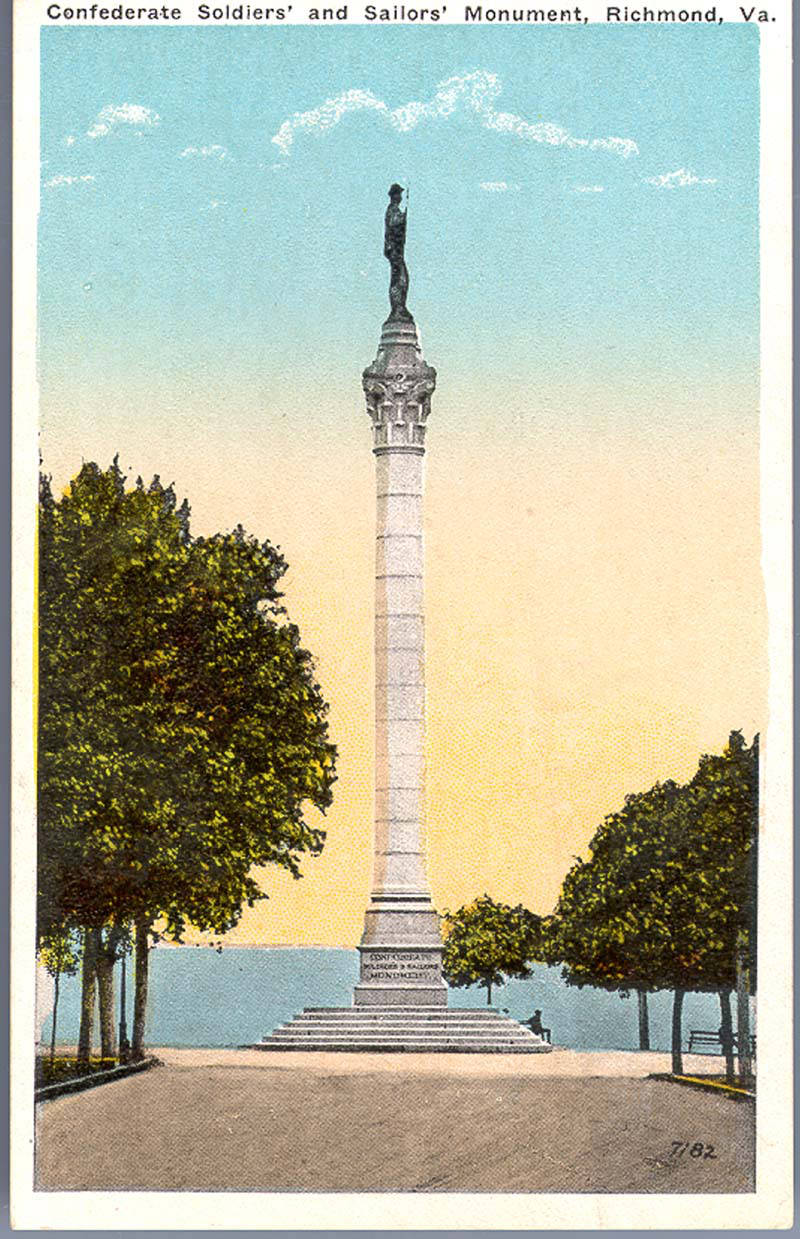
Richmond has a humid subtropical climate, so expect hot, humid summers and moderately cold winters. Summer days can be sweltering, and the heat index sometimes climbs well beyond what the temperature alone suggests, so plan outdoor sightseeing with the heat in mind. The city is rich in Civil War history and lore, from the Civil War prison site on Belle Isle and the house Robert E. Lee lived in to the state Capitol, which Thomas Jefferson designed and which served as the Confederate Capitol. The original Confederate White House and the museum of the Confederacy are also here, and Hollywood Cemetery in the heart of the city holds more than 18,000 Confederate soldiers. Note that the Robert E. Lee Monument that once dominated Monument Avenue was removed in 2021, a sign of how the city has changed.
Richmond has a fairly high crime rate, though most serious crime occurs in and around the public housing projects in the northeast, eastern and southside sections. Muggings and purse snatchings happen throughout the city, so be careful when walking or standing around at night. Night spots around downtown such as The Fan District, the areas around Virginia Commonwealth University and Shockoe Bottom can become dodgy after dark, so avoid walking alone or on side streets, and steer clear of confrontations inside or outside nightclubs, especially in Shockoe Bottom. Much of the free and cheap parking in Shockoe Bottom sits under freeway and train overpasses with many dark areas, so be aware of your surroundings when returning to your car. Car break-ins are common across the city, so keep nothing visible inside your car, including shoes, clothing or trash, when parking on the street, in open lots or in unsecured garages. Avoid swimming or wading in the James River within the city, as currents and dropoffs are notorious; if you swim, restrict yourself to public-access beaches or rocky stretches such as Pony Pasture or Belle Isle's northern side, or seek local guidance. On the riverbanks, watch the weather, as some areas around the riverfront are prone to flash-flooding.
Getting there
By car, Richmond sits on I-95 less than two hours south of Washington DC, and I-64 runs east–west through the city, giving easy access to Norfolk, Virginia Beach, Williamsburg and Charlottesville. Other major roadways, including the Powhite Parkway (Route 76), the Chippenham Parkway (Route 150) and Route 288, connect Richmond with outlying areas such as Chesterfield and Midlothian.
Two Amtrak stations serve the city. Staples Mill Road Station, Richmond's primary station in an older section of suburban Henrico County, is served by Northeast Corridor trains as well as several lines continuing south toward the Carolinas and Florida; if you're heading downtown, plan on a taxi fare, or use Amtrak's Thruway Bus connection. Richmond Main Street Station, the historic downtown station, is served by the few Northeast Corridor trains terminating at Newport News, and the segment between Staples Mill and Main Street can be affected by delays as the train crosses a major freight rail yard. By plane, Richmond International Airport in nearby Sandston is served by most major domestic carriers plus the discounters JetBlue and Southwest, while Chesterfield County Airport to the south and Hanover County Airport to the north handle general aviation. By bus, Greyhound has a large terminal on Boulevard, west of downtown and north of the Museum District; Eastern Travel, a Chinatown bus line, picks up and drops off near the intersection of Boulevard and Broad Street and runs to Washington, DC and New York City; Megabus serves Philadelphia, Newark, Baltimore, Washington, Hampton, Durham, Charlotte, Fayetteville, Columbia, Athens and Atlanta, arriving and departing at the Richmond Travel Plaza on E Main St across from Main St Station; and FlixBus offers service from cities such as New York City and Washington, D.C.
Getting around
For many trips around Richmond, a car is the simplest option. The city is laid out on a grid and is easy to navigate, but be prepared for narrow, one-way streets in the oldest parts of town. Roadside parking is relatively easy to find, though check signage carefully for no-parking zones, particularly in the Fan District. If you would rather not hunt for street parking downtown, an all-day garage is a practical base for local trips.
GRTC buses run across the city and partly into neighboring Henrico and Chesterfield Counties, and the system is best used when you are already downtown and want to move around the city itself. Many visitors park at an all-day garage and then take one of the multiple lines along Broad Street, including the Pulse bus rapid transit line, to avoid paying for more parking. Walking works well in the historic core and downtown, where the grid makes navigation easy, but the city as a whole spreads beyond easy walking distance, so combining walking in the center with the bus network for longer hops is a sensible approach.
Where to stay
Richmond is a city of neighborhoods, each with its own distinct look, flavor, and identity, and where you stay shapes the trip as much as what you see. Locals treat the neighborhoods almost as a collection of small towns, so choose your base by the character you want around you rather than by any single address.- Pick a neighborhood whose identity matches your plans, since each one feels distinct from the next.
- Expect the city to read as a patchwork of small towns, so your choice of area sets the tone for your days.
Food & drink
Richmond's fine dining clusters in Shockoe Bottom, the historic district downtown, where you'll find many of the city's restaurants within easy reach of the Downtown area. Plan your evening around this neighbourhood if a sit-down meal is what you're after.What to see and do
Start with the city's history and science: the Richmond Railroad Museum in Southside, Richmond National Battlefield Park and the Tredegar Iron Works on Tredegar Street downtown, and the Science Museum of Virginia in the Museum District. Monroe Park, named for James Monroe, is another downtown green space worth a wander.
The James River is the city's playground. Richmond sits at the fall line, so there are rapids right downtown—class III, pushing class IV in the right conditions, and genuinely dangerous without an experienced guide. Upstream, gentler rapids can be run by raft or inner tube at a lazy pace, stopping to repeat a rapid or swim; you'll need two cars, one parked at the entry point and one at the bottom exit. Pony Pasture is a good place to start a few hours on the water—pull out when you see the sign on the right with an arrow, or you'll meet the bigger rapids. The river here is clean and mostly wooded, with trails on both sides and a rope swing under one of the railroad bridges; many people just swim between the smooth rocks at Pony Pasture. Currents, sudden drop-offs and hidden rocks catch out even experienced river-goers, so always wear a life jacket when rafting or tubing, don't wade or swim outside areas locals know to be safe, and watch the weather—the river flash-floods fast during rainstorms.
For live music, clubs cover rock, indie, metal, punk, hardcore, alternative, blues, jazz, jam, country and bluegrass, with a fiercely independent local scene alongside touring acts. For craft alcohol, head to Scott's Addition, at the corner of Broad and Boulevard, where a dozen producers sit within walking distance: breweries including Ardent Craft Ales, Bingo Beer Co., Isley Brewing Company, Strangeways Brewing RVA, Three Notch'd RVA Collab House, Vasen Brewing Company and The Veil Brewing Company; cideries Blue Bee Cider, Buskey Cider and Courthouse Creek Cider; Black Heath Meadery; and Reservoir Distillery.
When to go
Richmond has a humid subtropical climate, with moderately cold winters and hot, humid summers. Winter visits mean bundling up against the chill rather than planning around heat, and the season is the quieter stretch weather-wise compared with the oppressive summer humidity.
Summers are hot and humid, and the heat index stays high around the clock, with some especially sweltering days pushing it higher still and nights offering little relief. If you visit in summer, plan your days around the heat rather than fighting it.
Three days in Richmond
Day one: Start in Richmond itself and get your bearings in the East Bay, using the city as a base for exploring Contra Costa County and the wider San Francisco Bay Area. Head down to the waterfront around San Pablo and North Richmond, then work your way through neighbourhoods such as Hasford Heights and Bayview to see how the city shifts from one block to the next. Keep an eye on your surroundings and avoid walking alone at night, as muggings are a concern in some areas.
- Richmond
- East Bay
- San Francisco Bay Area
- Contra Costa County
- San Pablo
- North Richmond
- Hasford Heights
- Bayview
Day two: Look out across the bay toward San Francisco and Red Rock Island, then spend the afternoon in the hillside communities of Kensington, El Cerrito, East Richmond Heights and Tara Hills. Continue north through Albany, El Sobrante, Montalvin Manor and Pinole, where the pace slows and the views open up. Summer is a good time to be out and about, with warm, dry weather that makes wandering between neighbourhoods pleasant.
- San Francisco
- Red Rock Island
- Kensington
- El Cerrito
- East Richmond Heights
- Tara Hills
- Albany
- El Sobrante
- Montalvin Manor
- Pinole
- Summer
Day three: Turn to the city's history, which reaches back to the Civil War era and its role as a Confederate capital. Seek out Belle Isle, the Capitol, the Confederate White House and Hollywood Cemetery, and note the figures tied to this period, from Robert E. Lee to Thomas Jefferson. Finish with a walk along Monument Avenue and into the Fan District, where the streets are lined with historic architecture and the city's past is never far from view.
- Civil War
- Belle Isle
- Robert
- Lee
- Capitol
- Thomas Jefferson
- Confederate Capitol
- Confederate White House
- Confederacy
- Hollywood Cemetery
- Confederate
- Lee Monument
- Monument Avenue
- The Fan District