Murrieta
Introduction
Murrieta sits in the Inland Empire region of southwestern Riverside County, California, at the center of the Los Angeles–San Diego mega-region. The city is named for Juan Murrieta, a Californio ranchero who founded the town.
Largely residential, Murrieta is typically characterized as a bedroom community. It is bordered by Temecula to the south, Menifee and Wildomar to the north, and the unincorporated community of French Valley to the east.
Getting around
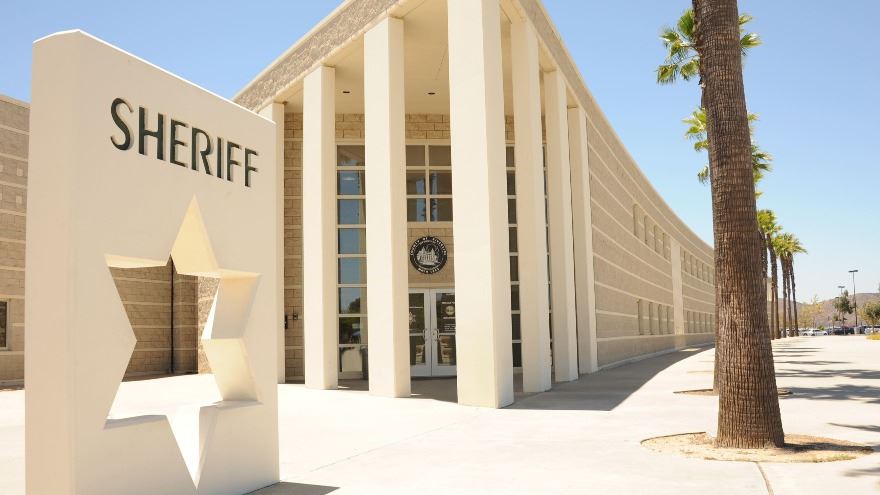
Murrieta is a spread-out, largely residential city, so plan on a car or ride-hailing for most trips. Interstate 15 is the main artery through the area, and taxis and ride-hailing are the most flexible way to move between specific addresses, especially for trips that don't line up with the bus corridors. Walking works for local outings—strolling a park or visiting the Town Square, where the Murrieta Police Department, Murrieta Public Library, City Hall, a senior center and a veterans memorial are located—but most trips between neighborhoods, commercial areas and attractions are impractical on foot.
Public transit is provided by the Riverside Transit Agency, which runs a small network of bus routes. Treat buses as a way to reach specific corridors rather than as a comprehensive way to get everywhere: stops cluster along Whitewood Road, California Oaks Road, Hancock Avenue, Madison Avenue and Nutmeg Street, so if your lodging or destination is near one of these streets, the bus becomes a realistic option. Check the agency's current schedules and route maps, and consult it directly for fares and passes. There is no metro, tram or passenger rail service in the city today, so don't plan on arriving or getting around by train. Murrieta has no airport of its own; visitors arrive via a major airport elsewhere in Southern California and continue by road, with a rental car, taxi or ride-hailing pickup for the final leg.
When to go
Murrieta has a Mediterranean climate, so plan around dry summers and a wetter winter. Summer brings little measurable rain and plenty of sunshine, giving you bright, clear days that suit outdoor plans. Winter is the wetter stretch, when most of the area's precipitation days fall, though rain remains infrequent overall and the region stays sunny between storms.
Because sunshine is abundant year-round, you can count on bright conditions whenever you visit, with the main variable being how much rain you're likely to encounter. If you want the driest, sunniest stretch for time outside, aim for summer; if you don't mind the chance of occasional rain and prefer to avoid the dry-season heat, winter works well, with clear weather returning between storms.
Three days in Murrieta
Day one: Start in Murrieta itself, a city in Riverside County within the Inland Empire, and get your bearings on foot around Town Square, where the Murrieta Police Department, Murrieta Public Library and City Hall sit close together. Walking the surrounding streets gives you a feel for the place, which grew from its origins as a Californio ranch associated with Juan Murrieta. Treat the day as an easy introduction to Southern California's Mediterranean climate: summers here are hot and dry, winters mild, so plan your walking for the cooler parts of the day.
- Town Square
- Murrieta Public Library
- City Hall
Day two: Use Murrieta as your base for the surrounding cluster of communities. Temecula, Menifee, Wildomar and French Valley are all nearby, and the Riverside Transit Agency connects the area, so you can move between them without a car. Check routes in advance, since service is spread across a wide area. If you are driving, Interstate 15 runs through the region and links Murrieta with Los Angeles to the north and San Diego to the south.
- Temecula
- Menifee
- Wildomar
- French Valley
- Riverside Transit Agency
Day three: Spend a final day on local streets, using the main roads as your guide: Whitewood Road, California Oaks Road, Hancock Avenue, Madison Avenue and Nutmeg Street. Because the city is largely residential, the pleasure is in the ordinary rhythm of the place rather than in set-piece sights. If you have time left, head back to Town Square for a last look before you leave.
- Whitewood Road
- California Oaks Road
- Hancock Avenue
- Madison Avenue
- Nutmeg Street