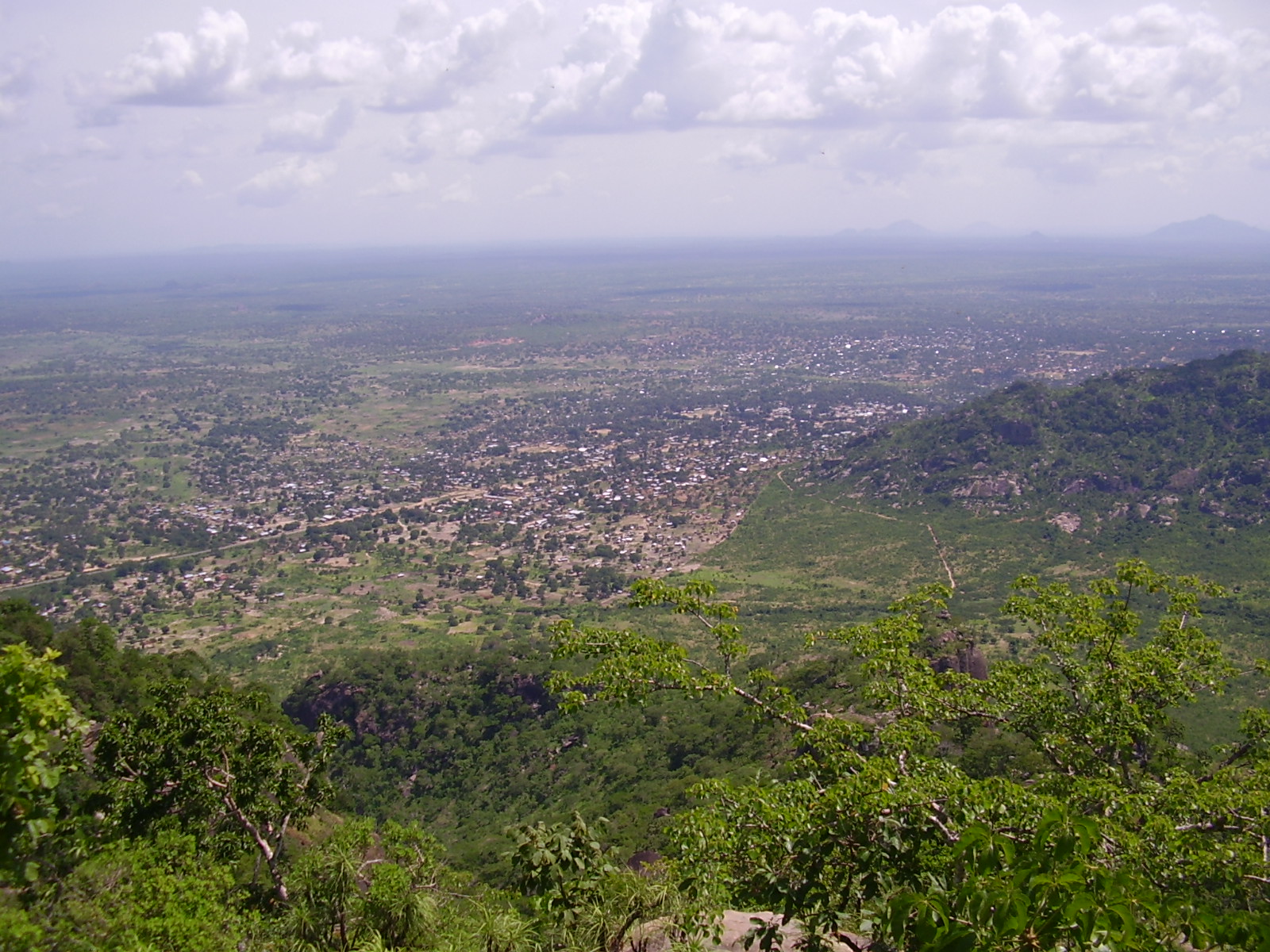
Mtwara
Introduction
Mtwara Region lies in the far south-east of Tanzania, with its capital in the municipality of Mtwara. The Indian Ocean forms its eastern edge, the Ruvuma River marks the boundary with Mozambique to the south, and the region is bordered by Lindi Region to the north and Ruvuma Region to the west.
The region is home to the Makonde, one of Tanzania's most influential peoples, and to a number of influential artists. It is also the home region of Benjamin Mkapa, Tanzania's third president.
Before you go
Mtwara is generally a safe town, but take care after dark. A useful rule of thumb: if other people are around, it is probably safe; if an area is deserted, it is better to take a vehicle. This applies especially in the residential areas around the town centre.
Getting there
Several buses run daily to Mtwara from Dar es Salaam, leaving from the Ubungo, Temeke or Mbagala bus stations; allow roughly eight hours for the trip. In the rainy season parts of the road can flood — the route usually stays passable, but expect the journey to take significantly longer. Bus companies on this route change regularly, so ask around before you commit. When choosing a bus, pick one with four seats in a row rather than five, which is noticeably cramped, and try to avoid the back half of the bus, which is uncomfortable on the unpaved stretches.
From Lindi, buses leave throughout the morning; in the afternoon you can travel by taking a bus to Mnazi Mmoja (Mingoyo) and catching an onward bus from there, about two hours in total. From Masasi, buses run throughout the day, with the last leaving around mid-afternoon and taking about four to five hours. From Newala there is a morning bus, after which pickups run through the day — they can be packed and rough on the dirt road. If you are coming from Mozambique, pickups meet the public transport on the other side of the border. Precision Air also flies from Dar es Salaam, though its timetable is erratic.
Getting around
Mtwara was laid out on a generous plan that was never completed, so the town is spread out and you may find yourself with a fair amount of walking between places. Many roads within the city have never been sealed, though newer roads of a good standard have been built in places. Bicycles are a great way to get around and can be hired from the market. There is no rail, metro or tram network, so plan your movements around road transport.
Around town you have three main options beyond walking: taxis, bajajis (three-wheeled tuk-tuks) and pikipikis (motorbike taxis), all available around town. Agree your fare before you set off. For longer journeys, buses connect Mtwara with Dar es Salaam, Masasi and other regional towns; ask locally about bus companies, as operators on the Dar es Salaam route change regularly. If you arrive by air, the same taxis, bajajis and pikipikis serve the airport, so arrange your onward transport on arrival. Mtwara is also the access point for day trips to nearby Mikindani.
Where to stay
Guest houses are plentiful around Mtwara, with many clustered near the bus stand. Quality varies, but you get what you pay for. If you're unsure where to start, tell a taxi or bajaji driver how much you want to spend and they'll take you somewhere appropriate.
- Msemo (also known as Southern Cross), Shangani — the main tourist place in town, right on the sea front, with views over Mikindani bay.
Food & drink
For everyday eating, the standard Tanzanian places around town serve the familiar rice- and ugali-based dishes, and Dubai Restaurant near the bus stand is considered a cut above most of the others nearby. The bus stand itself becomes a popular spot for food in the evening once the buses are removed, with snacks and full meals available and alcoholic drinks on offer. Korosho Lodge on Tanu Road, next to Exim Bank near Bima, serves the usual variety of Tanzanian-Indian food in a courtyard setting that is uninspiring but peaceful.
If you want Western food, Msemo (also known as Southern Cross) in Shangani is the only real option in town; it sits by the sea and is a pleasant place to while away an afternoon. During the day it is roughly a 20-minute walk from the centre, but after dark it is probably better to take a taxi, bajaji or pikipiki. For drinks, head to Bima, where a cluster of bars picks up a bit of atmosphere in the evening. For self-catering, Proactive Min Supermarket at the Bima taxi stand, opposite NMB Bank, stocks food supplies including Western-style meat products, groceries, snacks, ice cream, soft drinks, condiments, fruits and juice, and you can send an order list for delivery.
What to see and do
Start at the fish market, the one thing you should not miss in this coastal town; ask "Soko la samaki liko wapi?" and you will be on your way. It is beautiful and Swahili Tanzania at its finest.
Mtwara also offers great diving in the Indian Ocean, and you can arrange it through a PADI dive centre in town.
When to go
Mtwara is hot and humid year-round, so plan your visit around the rain rather than the temperature. A long rainy season runs from November to around April or May, when rain is a regular feature of a visit. Expect hot, humid conditions throughout this stretch and plan around downpours rather than counting on clear days.
The drier half of the year falls from around May until late October, when rain largely drops away. It stays hot and humid, as it does throughout the year, but travel is less likely to be disrupted by rain during these months.
Three days in Mtwara
Day one: Start in Mtwara itself, getting your bearings in the town before heading out along the coast. The Indian Ocean sets the rhythm here, and you can spend the afternoon around Mnazi Mmoja. If you have arranged a base in Mikindani, settle in there for the evening; guest houses in the area vary in quality, so check yours before committing.
Day two: Give the day to the Makonde and the region around Mtwara. Masasi and Newala are the places to aim for if you want to see more of the interior, and the Ruvuma River marks the southern edge of the region toward Mozambique. Bicycles are a practical way to cover short distances around town, and several operators run trips in the area.
Day three: Head north toward Lindi Region, stopping at Mingoyo and Lindi if time allows, or stay closer and explore the coast near Msemo. From Lindi you can loop back to Mtwara, or continue on toward Dar es Salaam via Ubungo, Temeke or Mbagala if you are travelling onward by bus. Precision Air and Benjamin Mkapa connections serve the wider route if you prefer to fly.