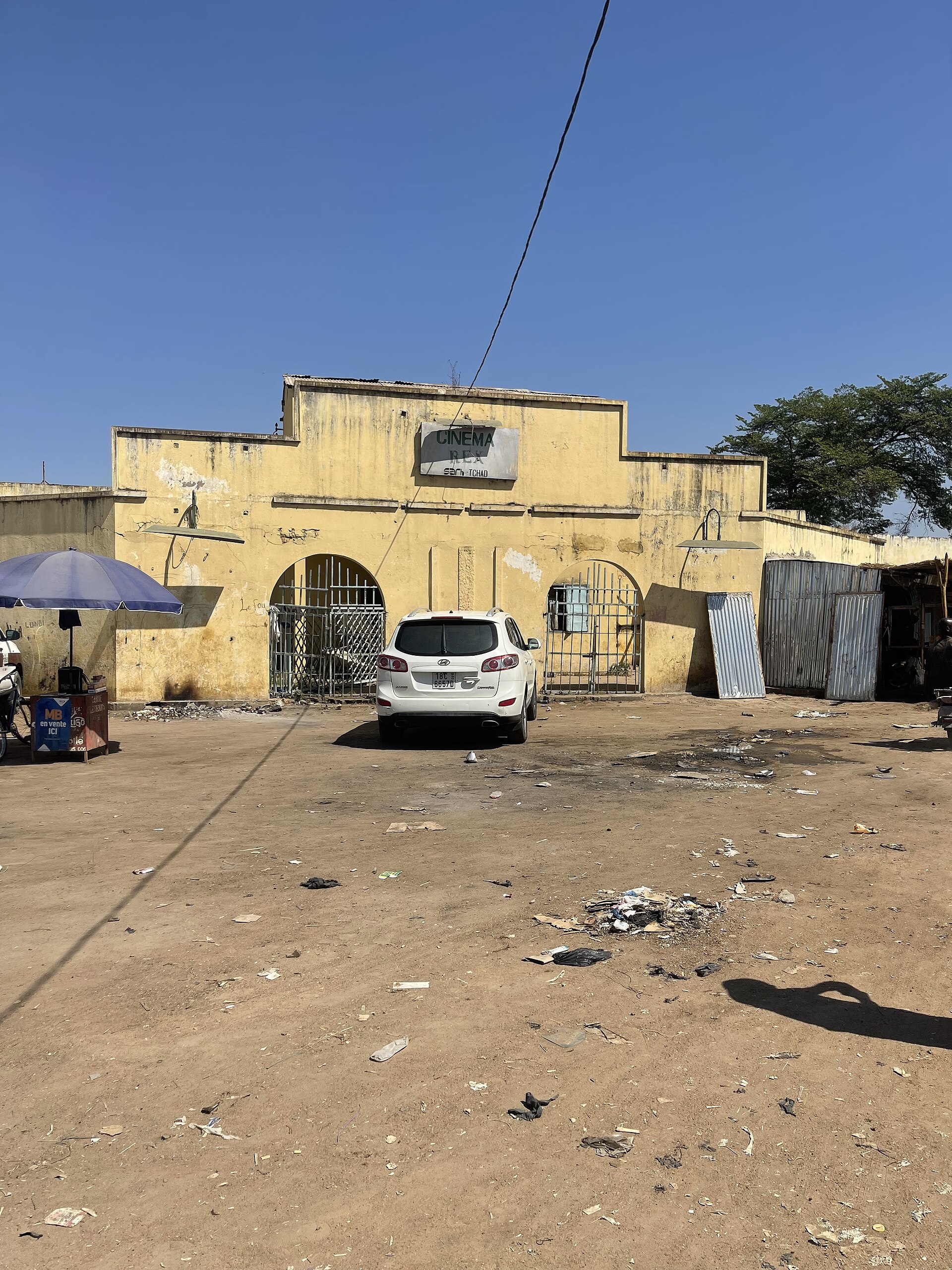
Sarh
Introduction
Sarh, once known as Fort Archambault, is the capital of the Moyen-Chari Region and of the Department of Barh Köh in Chad. The city lies on the Chari River, roughly 563 kilometres by road southeast of the capital, N'Djamena.
Sarh is one of Chad's larger cities, after N'Djamena and Moundou, and its riverside setting on the Chari makes it a natural stop for travellers heading through the country's south.
Getting around
Sarh has no formal urban transit system, so getting around means relying on the same informal transport found across Chad: shared taxis, motorcycle taxis (often called "clando") and minibuses. You flag these down or pick them up at recognised stopping points rather than consulting a route map or timetable. Fares are cash-only, drivers rarely carry change, so keep small denominations on hand; there are no contactless payment options and no transit passes sold to visitors. Shared taxis and minibuses generally wait until full before departing, so journey times can be unpredictable. There is no rail, metro or tram network serving the city today, so plan on road-based transport for all local movement. Taxis operate informally and on a cash basis, and global ride-hailing apps are not widely available in the country.
The city centre is compact and market-centred, anchored by the open-air Marché central de Sarh, with small wood-carving, weaving and crafts workshops found around the city, so central areas are plausibly navigable on foot for short errands. Be prepared for heat year-round, with March the hottest period before the wet season, and for heavy rain and much higher humidity in the wet season. Sarh Airport (SRH) serves the city; expect to pay airport taxi fares in cash, negotiate the fare before departure and have small notes ready. For intercity trips, coach-style buses are generally more comfortable and predictable than shared taxis and minibuses, and booking ahead and travelling by day are recommended; shared taxis and minibuses for intercity travel depart from "parcs-voitures" on the outskirts, positioned in the direction of their destination. Road conditions outside the major corridors are rough, especially in the rainy season, and night driving is discouraged.
When to go
Sarh has a hot tropical savanna climate, and the timing of your trip shapes what you get. The dry season brings hot, bright days with clear skies and low humidity, which drops to its lowest in February. December and January offer the most sunshine of the year, and December also has the coolest nights, making this stretch the most comfortable for exploring the city and its neighbourhoods.
- Dry season: Rain is almost absent, with December seeing none at all. Expect hot, bright, dry days and clear skies.
- Just before the rains: This is the hottest time of year. March has the highest average high and April the highest average low, with days intensely hot and the rains not yet broken the heat.
- Wet season: Rainfall is concentrated here, with August the wettest month and the one with the most precipitation days. Humidity climbs to around 82% in August, which also has the lowest average high, while July gets the least sunshine of the year. Expect frequent rain, heavy humidity and cloudier skies.
Three days in Sarh
Day one: Start in Sarh itself, the capital of the Moyen-Chari Region, and take in the character of a town that grew up around the old colonial post of Fort Archambault. The Chari River shapes daily life here, so orient yourself along its banks before wandering back into the centre. Shared taxis are the easy way to get around, and you can expect dry, dusty conditions for much of the year, with the heat building through February, March and April before the rains arrive.
- Walk the town centre and the riverside
- Use shared taxis to cover longer stretches
Day two: Head out into the wider Department and the Barh Köh area to see how life runs along the Chari. The wet season, roughly July to August, brings high humidity and heavy rainfall, so plan outdoor time around the weather; December and January are dry and more comfortable for moving about. Keep your base in Sarh and arrange transport locally.
Day three: Give the day to the river and the town's connections. Sarh Airport (SRH) links the town with Djamena and Moundou, so if you are flying onward, allow time to reach it by road. Otherwise, spend a final morning by the Chari River and a last look around Sarh before you leave.