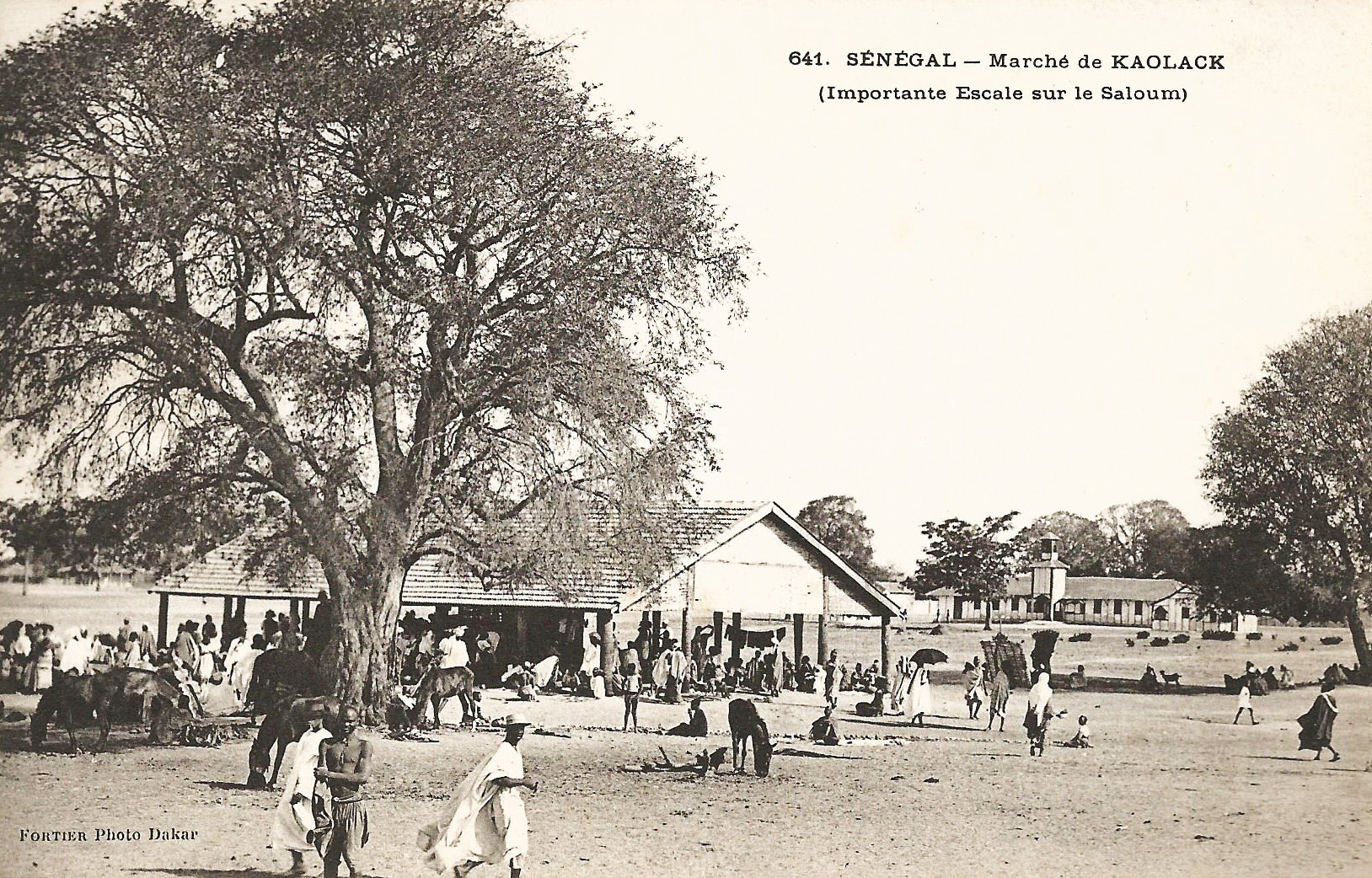
Kaolack
Introduction
Kaolack sits on the north bank of the Saloum River, roughly 100 kilometres from its mouth, and is reached by the N1 road. As the capital of the Kaolack Region, which borders The Gambia to the south, it serves as an important regional market town and Senegal's main centre for peanut trading and processing. The town is also a major centre of Islamic education, as the home of the Ibrahimiyya branch of the Tijaniyyah Sufi order founded by Ibrayima Ñas. The Leona Niassene mosque here is among the largest and best known in Senegal.Before you go
Before you go, it helps to know that Kaolack sits in Senegal's peanut basin and serves as a regional crossroads, so your planning should account for a working city rather than a resort town. The source material for this guide is limited, so treat what follows as a starting point and confirm practical details through official channels before you travel. Because the source offers no information on safety, health, or local conditions, you should check your government's travel advisories and any health recommendations for Senegal well before departure. Arrange your documents, vaccinations, and insurance in advance, and leave yourself room to adjust plans once you have current, verified information in hand.Getting there
Kaolack is the transport hub of Senegal, and you can reach just about any point in the country within a day's travel. Two transport stations serve the city: Garage Dakar handles routes to the west and north, including Dakar, Thiès and Saint-Louis, while Garage Nioro covers the south and east, with destinations such as Tamba, Kolda and the Casamance. Most people get around Senegal by sept-place, and buses also pass through Kaolack heading between Bamako and Dakar in either direction. Minicars are a cheaper option, though they tend to leave only once they are full.Getting around
Within Kaolack, taxis and motos are the main ways to get around; taxis are the standard choice, while motos suit those willing to take on more risk. Ride-hailing is not described as operating here, so plan on traditional taxis and motos. Fares for getting around the city are in the range of 700 to 800 FCFA. Much of the city is best reached by road rather than on foot over long distances, though the center — the Escale neighborhood, laid out on a grid — is reasonably navigable on foot in parts. Given the hot semi-arid climate, with a short rainy season and a lengthy dry season, keep walking to shorter hops within a neighborhood rather than trying to cross the whole city. Kaolack's neighborhoods include Lewna (Léona), which takes in much of the city center, as well as Jaleñ, Medina Mbàbba, Medina Baay, Saam, Ndoorong and Coofog.
For longer journeys, intercity departures are organized around two transport stations, known locally as garages. Garage Dakar serves areas to the west and north, such as Dakar, Thiès and St. Louis, while Garage Nioro serves the south and east, including Tamba, Kolda and the Casamance. On arrival, men will rush and shout at travelers — this is the normal system, so stay calm, make eye contact with one person, and state your destination and preferred transport type. Before entering a garage, know your destination, the type of transport you want, and the ticket price in advance. Small bags should be free, large bags may incur a negotiable charge, and bicycles always cost extra. Options include the sept-place, a station wagon seating seven that is described as the safest and most common with moderate comfort, with first-come, first-served seating and the most cramped spots in the back; the mini-bus ("Alhum"), large brightly painted vans best for shorter distances that are cheaper and more characterful but slower, crowded and more prone to breakdowns, where you should aim for a window seat for airflow; and the bus ("beez"), a cross-country option cheaper than a sept-place and roomier, departing at night and arriving by morning, described as hot, smelly and more dangerous. Buses also pass through Kaolack heading between Bamako and Dakar in both directions, and minicars leave only when full but are cheaper. Travel is unpredictable — waiting for a vehicle to fill or depart, or dealing with breakdowns and flat tires en route, is common, so allow a full day of travel per journey. There is no metro or tram network, and no passenger rail service a visitor can use to get around, so plan on road-based transport.
Where to stay
For budget travellers, Kaolack offers a couple of established options. The Mission Catholique on Rue Merlaud-Ponty provides dorm beds, while Etoile Du Sine on avenue Valdiodio Ndiaye is another inexpensive choice. The source lists no mid-range or splurge accommodation, so plan on the budget options above if you intend to stay in the city.Food & drink
The source material for Kaolack's food and drink scene is too thin to write a grounded section. The only content provided is the empty headings "Eat" and "Drink," with no named dishes, restaurants, markets, or beverages to draw on. Rather than invent details, no section can be written from this source.What to see and do
Kaolack's covered market ranks among the largest in West Africa, and it is the reason many visitors stop here at all. The wax fabric selection is the draw: smaller buyers travel from across the region to purchase cloth here, so the choice is broad and the prices are negotiable. Within the market you will also find the gris-gris stalls, where vendors sell skins, shells and other materials used by local charm makers. Beyond the market, the town's history is mostly a matter of what has vanished. Kaolack is rumoured to have once held some of the finest mangroves in Africa, but no trace of them remains. For a worthwhile excursion, head to the stone circles at Wanar, a UNESCO World Heritage site.When to go
Kaolack has a hot semi-arid climate, so plan around two broad seasons rather than four. The rainy season is short but delivers most of the year's moisture, making conditions muggier and the ground muddier; rural roads in particular can become harder to pass, so build in extra time if your plans take you outside the city.
The lengthy dry season dominates the rest of the year, bringing hot, dry conditions and little to no rain. Dust and heat are common, and water sources can run lower, so prepare for those conditions if you visit during this stretch.
Three days in Kaolack
Day one: Base yourself in Kaolack and get your bearings in the Medina Baay quarter, the heart of the Ibrahimiyya branch of the Tijaniyyah Sufi order. The Leona Niassene and the mosque of Ibrayima are the landmarks that give the district its character, and the streets around them are busy with the life of the city. Kaolack sits on the Saloum River in the Kaolack Region, and the waterfront is a good place to end the afternoon.
Day two: Head out of town for the day. Arrange transport from Garage Dakar or Garage Nioro depending on your direction, with minicars serving routes toward Dakar, Thiès, Saint-Louis, Tamba, Kolda and the Casamance, and onward to Bamako. Fares are quoted in FCFA, so carry cash. If you would rather stay close, ride within Kaolack instead and spend the time in Lewna, Léona, Jale or Medina Mbàbba, each with its own feel.
Day three: Take a slower day around the Escale and the river. Much of Kaolack's daily rhythm plays out in these central quarters, and the Saloum River shapes the mood of the town. If you are continuing south, The Gambia is within reach; if you are looping back, the garage routes will carry you out again. Given the heat, plan your walking for the cooler ends of the day.