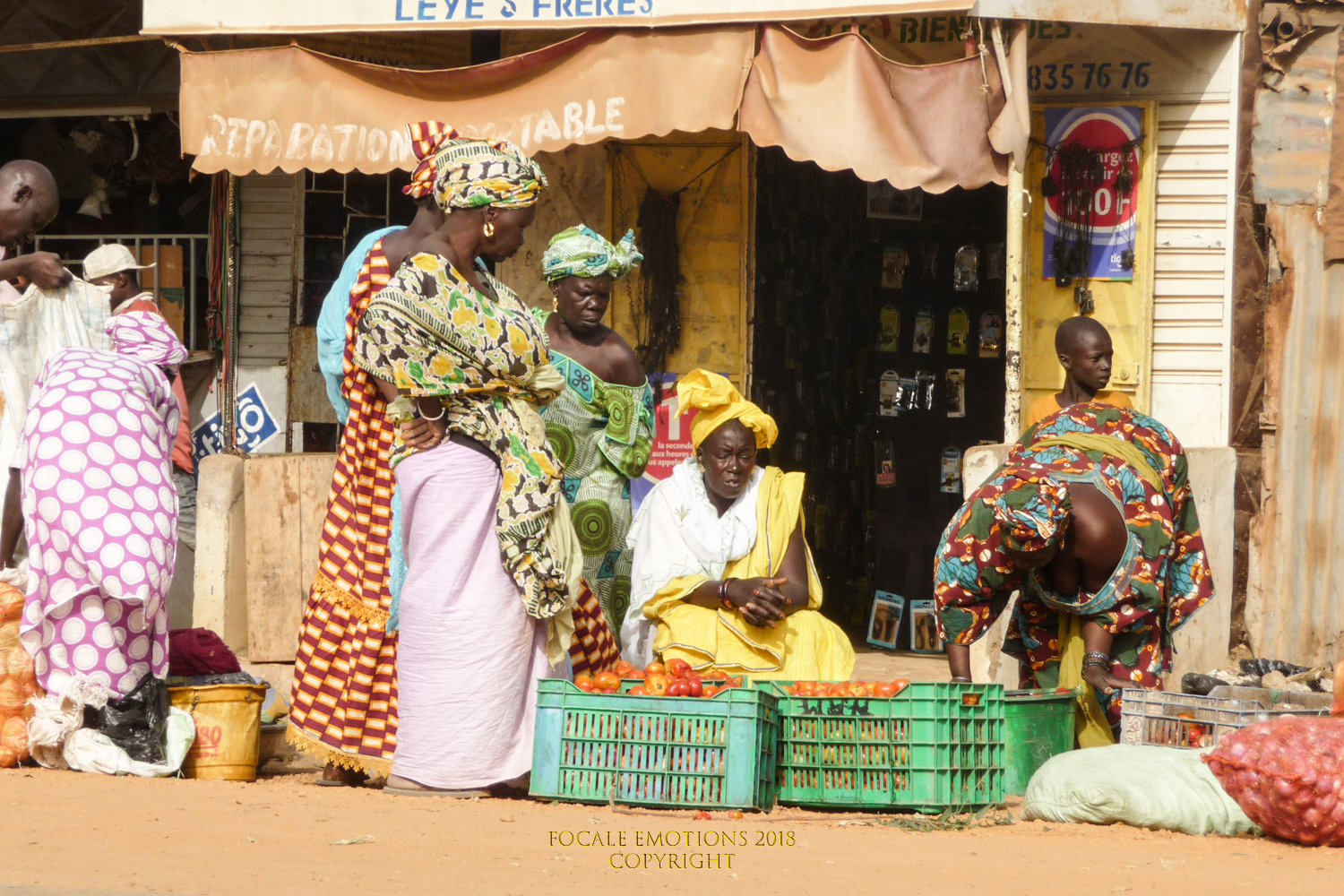
Mbour
Introduction
M'Bour, also written Mbour, sits in Senegal's Thiès Region on the Petite Côte, roughly 80 kilometres south of Dakar. It is one of the larger urban centres along this stretch of coast.
Before you go
Mbour sits in the middle of the Petite Côte, roughly 80 miles south of Dakar, and it's a big, fast-growing city that feels like a real Senegalese working town rather than a resort. If you want an authentic taste of Senegal and Africa, this is where you'll find it, in contrast to the prefabricated mass-tourism feel of nearby Saly. Come prepared for a place that is bursting at the seams: outlying quartiers can be miles from a paved road, and half-built houses are a common sight, especially if you venture away from the centre.
As a large city, Mbour is a melange of the country's ethnic groups and languages. Wolof is spoken widely and is the main form of communication among Senegalese, but you'll also hear Sereer, and at times Pulaar and French. Be aware that the city suffers from the high unemployment endemic to many cities in Senegal and around Africa; many young Senegalese have left villages and smaller towns hoping for work in the tourist economy of Mbour and Saly, and with jobs hard to find, some turn to the sex trade or to hassling tourists. If you have a bad exchange, try to understand that it stems from disaffection with a government and system that provides far fewer opportunities than the West.
Getting there
From Dakar, the most direct option is a taxi all the way to Mbour. If you would rather keep costs down, take a taxi from the airport to Gare Routier Pompiers and continue from there by public transport.
- Sept Place — a station wagon that fits seven people, departing from Garage Pompiers. You will see signs in the garage, or someone there will direct you to the right vehicle. Pay only up to 500 CFA for baggage.
- Ndiage Ndiaye — a big white Mercedes bus that stops many times to pick up and drop off passengers.
- Mini-car — a smaller version of the Ndiage Ndiaye that fits around sixteen people. Baggage costs are cheaper here, around 100–200 CFA.
Getting around
Mbour has no metro, tram, or passenger rail network, so you will get around by taxi, shared route taxi, or on foot. Taxis are the simplest option and relatively cheap, with fares varying by the length of the trip and the time of day. There is no mention of ride-hailing apps serving the city, so plan on hailing a taxi on the street or arranging one through your accommodation. The cheapest and most local way to move around is the clando, or route taxi — shared cars that constantly run up and down the Rue Nationale. To catch one, hail a car and tell the driver where you are going. From the north side of town, clando taxis head either to the large market or straight ahead toward the mayor's office; from the road that turns toward Grand Mbour, you pay a set fare, a little more if you continue past the mayor's office. A clando also runs from Mbour to Saly — hail any car on the main road going north toward Saly and ask the driver for the final destination. At the road that goes to Grand Mbour, the intersection between the Holidays and Avalanche supermarkets on the north side of town, you can take a clando to the hospital, close to hotels such as Blue Africa, Auberge Ndaali, and Tama Lodge, where the beaches are the nicest and cleanest in the city; tell someone near the large group of cars that you want to go to the collective. Between the hospital and the intersection with the Rue Nationale, a road parallels the Rue Nationale where you can take either a clando or a charette (horse-drawn cart) to the market. Walking works well for short trips, particularly around the beach areas near the hospital; for longer hops along the Rue Nationale or out to the market, the shared clando taxis and charettes are the practical alternatives. Carry small cash in CFA for clando fares and baggage charges, since these are paid directly to drivers.Where to stay
Mbour sits close enough to Saly that you can choose between small family-style campements and a hotel with a pool. Two established options give you a sense of the range. Blue Africa is a campement right on the beach, with a lounging area on the ocean under palm trees. Its rooms are simple and clean and suit a mid-range budget; they come with air conditioning, hot water, a private bathroom with a western toilet, a fan, and wifi throughout the campement. The campement also has a restaurant serving fish, meat and various Senegalese dishes.
Auberge Ndaali feels like a peaceful garden of Eden amid the bustle of Mbour. Each room is a two-storey hut with a loft, a fan, hot water, a full western bathroom and wifi throughout the campement, and the huts house between one and four people. The restaurant offers a large variety of good food, including seafood, meat, pasta and traditional Senegalese fare, and the ocean views are excellent. The owner, Aziz, is also the executive director of the eco-tourism association ONITS.
Food & drink
The source material for Mbour's food and drink scene is too thin to write a reliable section. The only content provided is two empty headings — "Eat" and "Drink" — with no dishes, venues, neighbourhoods, or drinking culture described. Writing anything here would mean inventing details, which this guide won't do.What to see and do
The fishing market on the beach is the centrepiece of a visit to M'bour. It is a colourful, smelly chaos, and the best time to go is in the late afternoon, when the fishing boats come in and the selling of fresh fish begins. Dress decently to avoid annoying comments, and remember that people are not fond of having their picture taken — ask permission before shooting portraits, or stick to overview shots instead.When to go
M'Bour is hot all year, so your choice of season is mostly about rain rather than temperature. The long dry season runs from November to May, bringing hot, dusty, sunny days with scarce rain and little interruption to beach or town plans.
Most of the year's rain falls in July through September. Downpours during these months can be heavy, and travel or outdoor activities may be disrupted, so plan accordingly if you visit then.
Three days in Mbour
Day one: Arrive in Mbour from Dakar by Sept Place from Gare Routier Pompiers or Garage Pompiers, or by Mercedes or Mini from the same stands. Pay in CFA, keep baggage with you, and expect taxi drivers to offer their services at the station. Settle into Grand Mbour, the older quarter, and walk Rue Nationale to get your bearings. In the evening, eat Senegalese food and listen for Wolof, Sereer, Pulaar and French around you.
Day two: Head to Saly, the resort town on the Petite Côte, for the beach and the holiday atmosphere. Come back through Mbour's fishing quarter, where the pirogues land and the catch is sold and smoked. If you want a guide, Ndiage Ndiaye is a name you may hear. The coast here is warm and humid for much of the year, with a dry season and a rainy season.
Day three: Take a Sept Place or a Mercedes to Thiès Region towns, or go north toward Dakar if you are leaving. From Mbour you can also reach Bour and other villages of the Sereer country inland. As in much of Senegal, holidays bring crowds to the beaches. Be ready for the heat, and pay in CFA.