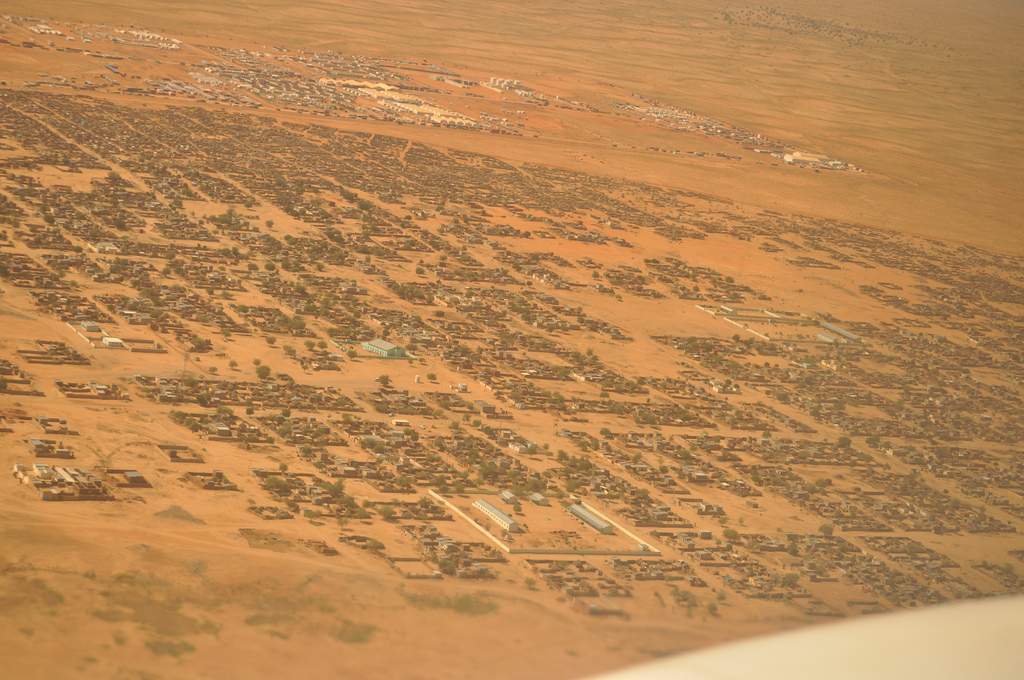
El Fasher
Introduction
El Fasher is a city in western Sudan, serving as the capital of North Darfur State in the Darfur region. Sitting at an elevation of about 700 metres, it began as a historical caravan post and today functions as an agricultural marketing point for the cereals and fruits grown in the surrounding area. The city lies roughly 195 kilometres northeast of Nyala and is linked by road to both Geneina and Umm Keddada, making it a natural stop for travellers moving through the region.Getting around
< p >Within El Fasher itself, taxis and motorised rickshaws are the most convenient ways to get around, and since meters are rarely used you should agree the fare with the driver before you set off. Public transport exists but is crowded and unscheduled, so treat it as a flexible, low-cost option rather than something to build a plan around. There is no ride-hailing scene to rely on, so arrange transport directly with drivers. Carry cash in Sudanese pounds, as international bank cards are rarely accepted, and change money at official banks or certified exchange bureaus on arrival. Arabic is the primary language and English is not widely spoken on the streets, so key phrases or a translator arranged in advance will help. Walking works in the city centre and around the souq, known for dates, spices, and leather and straw handicrafts, where bargaining is expected — but plan walks for the cooler parts of the day, carry water, and be ready for dust and heat. Given the city's security history, walking freely after dark or away from central areas is not advisable. < p >El Fasher has no railway station, no metro and no tram, and the national rail network does not reach North Darfur — the western line terminates at Nyala — so do not plan any part of your journey around rail. Buses are the main form of long-distance ground public transport, connecting the city with regional settlements; the route to Khartoum runs well over a thousand kilometres and takes roughly a day, while trips toward El Geneina and Zalingei are shorter but still substantial, with the Zalingei route described as the most comfortable ground option in that direction. By road, El Fasher is linked to Geneina and Umm Keddada, with longer connections to Khartoum and other regional towns; conditions vary between paved highways and unpaved sections, so a 4x4 or other high-clearance vehicle is recommended for longer routes, and you should confirm the current state of the route before setting out. El Fasher Airport sits within the city limits, making the transfer into town short, and taxis and rickshaws are the practical way to reach your accommodation — again agreeing the fare in advance. The airport mainly handles domestic flights, so international travellers generally transfer via Khartoum onto a domestic flight. Photographing the airport is discouraged, as is photographing government buildings, military facilities and bridges.When to go
El Fasher has a hot arid climate, and the year divides into three broad seasons: a dry cool season, a sweltering hot season, and a short monsoon wet season. The cool dry season is bone-dry and relatively cool, with merely hot afternoons and cool mornings. Rain is absent, so travel is easy and skies are clear — this is the most comfortable stretch for getting around and seeing the surrounding area.
The hot season is sweltering and equally arid, with intense heat and no rain. The wet season brings the Sahelian monsoon, which delivers virtually all of the year's rainfall — around 210 mm — along with much higher humidity. Expect short downpours and muggy conditions, and plan for the fact that rain, when it comes, can be heavy and brief.
Three days in El Fasher
Day one: Start in El Fasher, the capital of North Darfur State in Sudan. Within El Fasher, walking is a good way to get your bearings, and you can carry Sudanese pounds for your needs. Arabic and English are both useful. Expect a Sahelian climate, with rain possible in season. Photographing is part of the experience, but ask before you point your camera at people.
Day two: Use El Fasher as your base for the wider region. Buses connect El Fasher with Khartoum, Nyala, El Geneina, Zalingei and Umm Keddada, so you can plan a day trip or onward travel. El Fasher Airport also links the city by air. Sitting with locals and talking is a good way to understand Darfur.
Day three: Take a slower day in El Fasher. Public spaces and markets are where daily life happens, and you can spend your time walking and sitting rather than rushing between sights. Carry water, dress for the heat, and expect travel in North Darfur to take time.