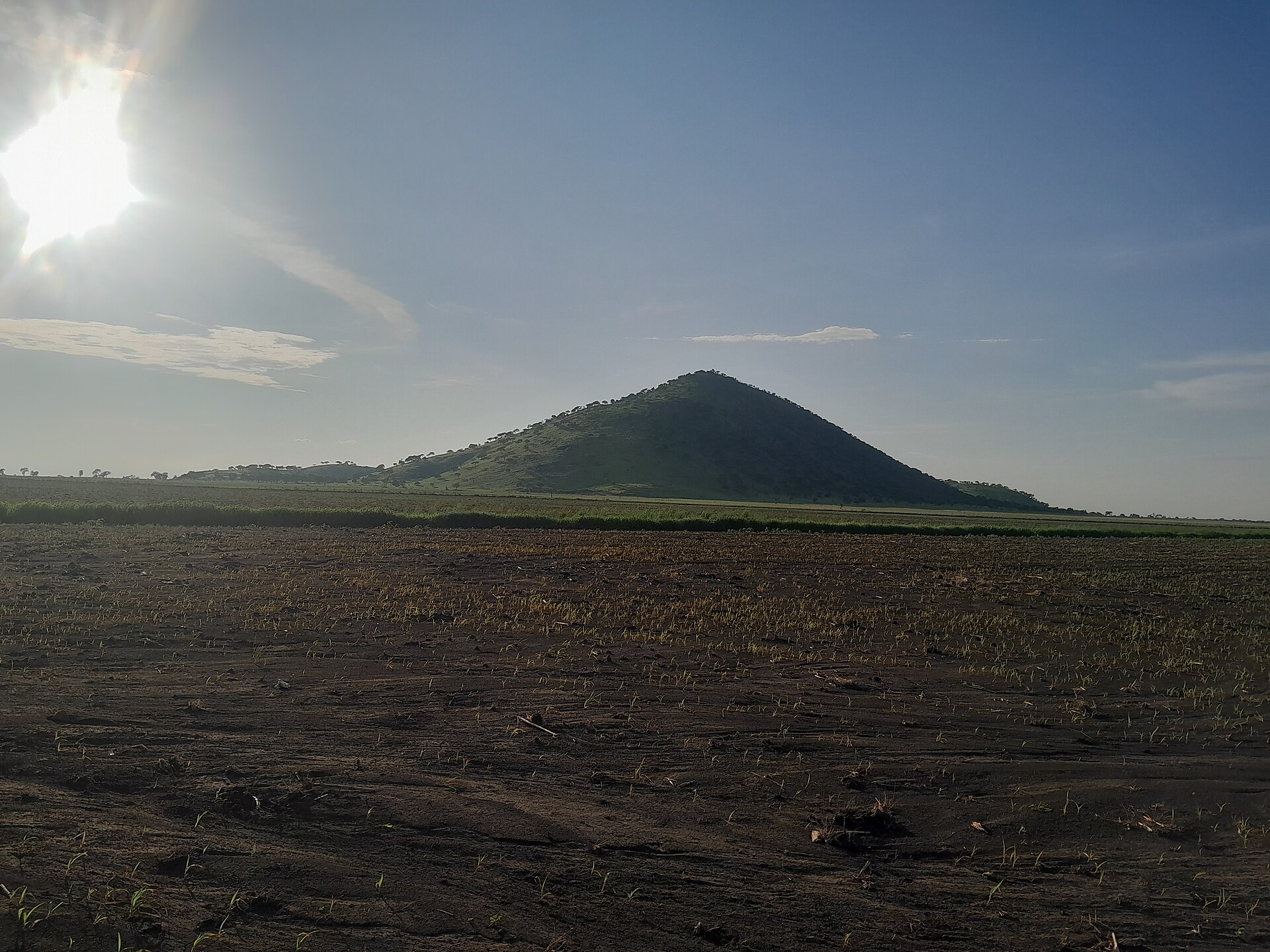
Al Qadarif
Introduction
El-Gadarif — also spelt Gedaref or Gedarif — is the capital of the state of Al Qadarif in Sudan, and it sits on the road linking Khartoum with Gallabat on the Ethiopian border, roughly 410 kilometres from the capital. If your travels take you along this eastern corridor, the city is a natural point on the route rather than a detour from it.
Approach it as a stopover on a longer journey: the source describes the city chiefly by its position on the Khartoum–Gallabat road, so plan around the road itself and the onward crossing toward Ethiopia.
When to go
El-Gadarif has a hot semi-arid climate, so your timing matters. The year splits into a sharply hot pre-rain period, a summer wet season, and a long dry season. The pre-rain stretch is the hottest part of the year, with intense heat that should shape how you plan your days — expect to move slowly and schedule activity around the worst of it.
- Wet season: Rain falls mainly during the summer months and brings the year's precipitation. Expect wet conditions and the changes to travel and outdoor plans that come with them.
- Dry season: November to March brings minimal or no precipitation, so you can count on dry conditions throughout. Note that the March to May stretch is also the hottest, so the tail end of the dry season demands the same heat precautions as the pre-rain period.
Three days in Al Qadarif
Day one: start in Gedaref itself, getting your bearings in the city before planning any wider trips. Al Qadarif sits in Sudan's east, and the surrounding country is what shapes a stay here, so use the first day to settle in and arrange transport onward.
- Spend the morning walking the streets of Gedaref and getting a feel for the city.
- Use the afternoon to organise a vehicle and driver for the days ahead.
Day two: head for Gallabat, the border town toward Ethiopia. The road out of Gedaref gives you a sense of the wide eastern plains, and Gallabat is the natural stopping point if you are continuing toward the Ethiopian side.
- Make an early start from Gedaref for the drive to Gallabat.
- Expect the crossing to take time; approach it patiently rather than planning anything else for the day.
Day three: return to Gedaref and keep the day flexible. Note the seasons when you plan: the wet months bring rain and can make travel harder, while the dry stretch from November to March is the more comfortable time to be on the road. May marks the turn toward the rains, so build slack into your schedule if you are travelling then.
- Leave the morning open in case the return from Gallabat runs late.
- Spend your last hours in Gedaref before moving on, whether onward in Sudan or across toward Ethiopia.