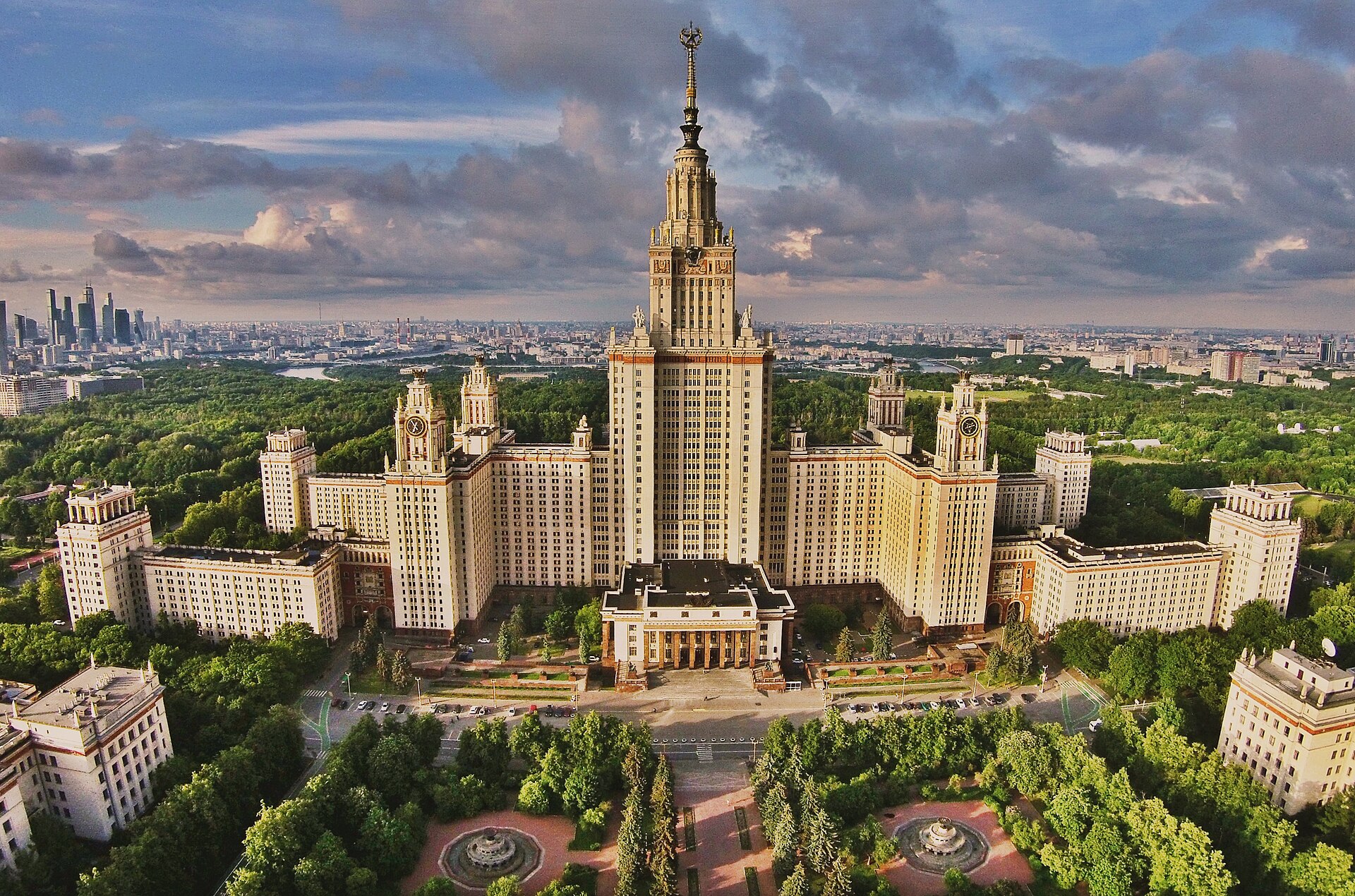
Ramenki
Getting around
Ramenki sits inside Moscow's integrated public transport network, so the same tickets, cards and habits that work in the centre work here too. The metro is the backbone for longer hops across the city, and Ramenki has its own station on the Kalininsko-Solntsevskaya Line, connecting the district directly to the wider grid with trains arriving every few minutes. Suburban rail (the D-lines) works like an above-ground express for places that are awkward by metro alone, while trams run on fixed street-level routes — slower, but direct for shorter surface trips. Buses fill the gaps rail does not cover and are your main option for reaching specific streets and addresses; they are operated by Mosgortrans on fixed routes with posted stops. As an example, route м17 links Kievsky railway station with Michurinsky Prospekt, 21 on weekdays, roughly every fifteen minutes, with a journey of around twenty-five minutes — a practical alternative to the metro if your start and end points sit along its route.
Payment is standardised across much of the network, which makes switching between modes straightforward: use a rechargeable Troika stored-value card, an Edinyi paper ticket for single or multi-ride travel, or a contactless bank card tapped directly at readers. Fares are inexpensive by international standards, and the same card or ticket generally covers metro, bus and tram journeys. For luggage, late nights or destinations off the rail network, taxis and ride-hailing are widely available through apps such as Yandex Taxi, Citymobil and Maxim; a short city trip is inexpensive, and central Moscow to Ramenki takes only around ten to fifteen minutes in normal traffic — confirm the fare in the app before you ride. Walking suits short local errands, such as getting from the metro station to a nearby address, rather than crossing the whole district: Ramenki is residential, distances between points of interest can be considerable, and the street layout favours vehicles and public transport over pedestrians. From the airport, choose express rail to a central rail terminal where you can transfer to the metro, bus connections to the metro network, or a door-to-door taxi booked through an app for a fixed, upfront fare; onward travel into Ramenki then uses the same system, so a Troika card or contactless bank card serves you from the moment you reach the city.
Three days in Ramenki
Day one: Start by getting your bearings in Ramenki, a district in Moscow's south-west, using the metro to reach it; the Kalininsko-Solntsevskaya Line serves the area, and suburban buses run by Mosgortrans connect it to the wider city. As you arrive, sort out payment for transport early: the Troika card and Edinyi fares cover metro and bus travel, and Yandex Taxi, Citymobil and Maxim are the taxi options if you prefer door-to-door. Spend the rest of the day walking the neighbourhood streets to get a feel for the district.
- Arrive via the Kalininsko-Solntsevskaya Line
- Set up a Troika card or Edinyi fare for metro and bus
- Keep taxi apps such as Yandex Taxi, Citymobil and Maxim on hand
Day two: Use the day to explore Ramenki on foot, then follow the main roads out towards the wider city. Michurinsky Prospekt is the district's key artery, and Kievsky is the major rail station you can reach for connections beyond Moscow. Walking between stops is the simplest way to see how the neighbourhood fits together, with buses filling in the longer stretches.
- Walk the streets of Ramenki
- Follow Michurinsky Prospekt
- Head for Kievsky for onward rail travel
Day three: Round off your stay with a slower day, using the metro and Mosgortrans buses to revisit anything you missed. From Ramenki you can travel into central Moscow and back with ease, paying as you go with Troika or Edinyi fares, or calling a taxi from Yandex Taxi, Citymobil or Maxim for the return. Keep the final afternoon for walking and a last look around the district before you leave.
- Revisit Ramenki's streets on foot
- Use the metro and Mosgortrans buses for a trip into Moscow
- Return by taxi or public transport using Troika or Edinyi fares