Orekhovo-Zuyevo
Introduction
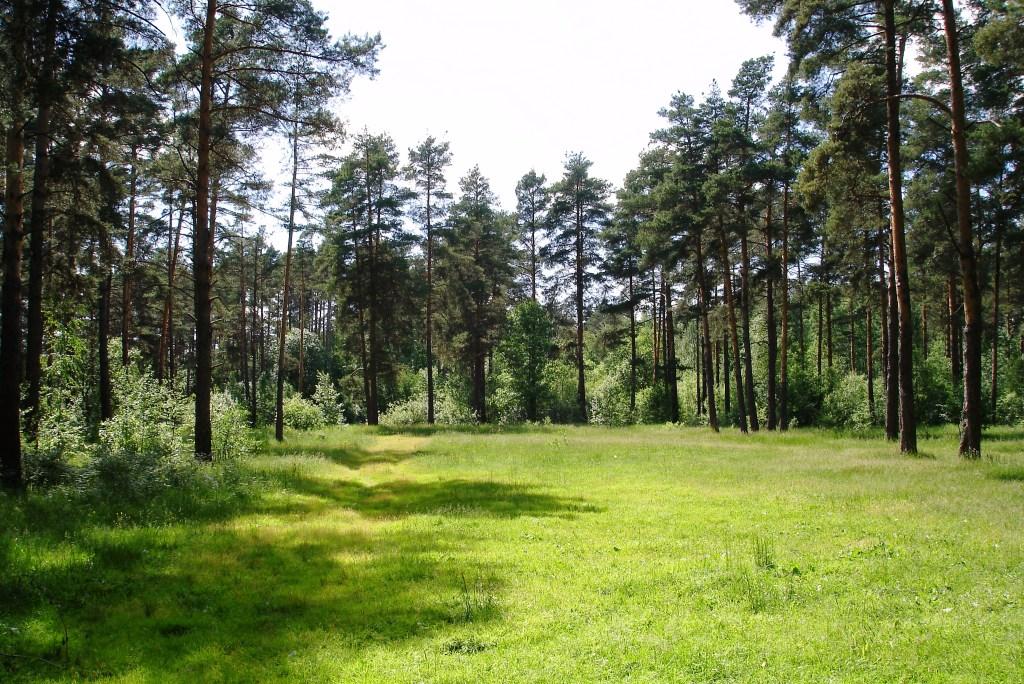
Orekhovo-Zuyevo is an industrial city in Moscow Oblast, sitting about 85 kilometres east of Moscow in a forested area on the Klyazma River. Its name comes together from two parts: Orekhovo, often shortened in speech to Orekh, is the Russian word for "nut", while the city itself was formed in 1917 by merging three villages.
What you'll find is a place shaped by that industrial past rather than by tourism, set among woods beside the river. Come expecting a working Russian city on the capital's eastern edge, not a polished visitor destination.
Getting around
Orekhovo-Zuyevo has no metro or tram network, so getting around relies on walking, city buses and taxis. The compact, walkable core makes it easy to cover the central square (Skver imeni Lenina), the market and the main streets on foot, and a stroll through the centre also shows off the old Morozov textile works, whose factory halls now house market areas and trading centres. For anything further out, buses are the backbone of local transport, run by AO "Mostransavto" through its Orekhovo-Zuyevo branch; you pay a flat cash fare on board, so carry small notes and don't bother hunting for a ticket office.
- Use the bus station (Avtovokzal) on Vokzalnaya Ploshchad, by the railway station, as your orientation point — it's the hub for city routes.
- City bus route 11 is a practical spine: it runs from the Avtovokzal through the centre past Skver imeni Lenina and the Shkola iskusstv, by the Zavod "Respirator" landmark, along Ulitsa Volodarskogo and Ulitsa 1905 goda to the Rynok (market), and on through Mikrorayon Zarechnyy to Parkovskaya Ulitsa.
- Buses start early in the morning and finish in the evening, with departures roughly every half hour; weekend frequencies are similar to weekdays.
- For the market and central sights, get off at the Rynok or Skver imeni Lenina stops.
- If your destination isn't on route 11, ask at the Avtovokzal or check the stop signs — most central streets are served by several routes.
- Taxis and ride-hailing apps work here as elsewhere in the Moscow region; agree the fare or confirm it in the app before setting off, and use one for short hops or reaching the station with luggage.
Arriving from outside, the train is the natural way in, and the square in front of the station is where you pick up city transport. There is no airport of its own: international visitors land in Moscow, transfer to a Moscow rail station serving the eastern direction, and continue by train, then take a bus or taxi for the final leg.
Three days in Orekhovo-Zuyevo
Day one: Start in Orekhovo, the older part of the city, and get your bearings along Ulitsa Volodarskogo, where the historic street layout gives you a feel for how the textile town grew. Continue to Skver Lenina, the central square and park area, for an easy orientation walk. In the afternoon, look at the Morozov legacy that shaped the city, then wander toward Ulitsa Rynok for a sense of everyday local commerce.
- Orekhovo
- Ulitsa Volodarskogo
- Skver Lenina
- Morozov
- Ulitsa Rynok
Day two: Cross into Zuyevo, the other half of the city, and spend the morning exploring its streets on foot. Head to Parkovskaya Ulitsa for a slower walk, then continue to Mikrorayon Zarechnyy to see the residential side of town. If you want to understand the city's industrial identity, the Zavod Respirator is the local landmark tied to its manufacturing history.
- Zuyevo
- Parkovskaya Ulitsa
- Mikrorayon Zarechnyy
- Zavod Respirator
Day three: Use the morning to reach the Klyazma River and Its banks, where the water gives you a quieter view of the area. Return to the center via Vokzalnaya Ploshchad, the station square, which is also where Avtovokzal and Mostransavto bus services connect you onward. Buses and taxis are available if you are arriving or leaving, and the route back toward Moscow makes an easy finish to the trip.
- Klyazma River
- Its
- Vokzalnaya Ploshchad
- Avtovokzal
- Mostransavto
- Moscow