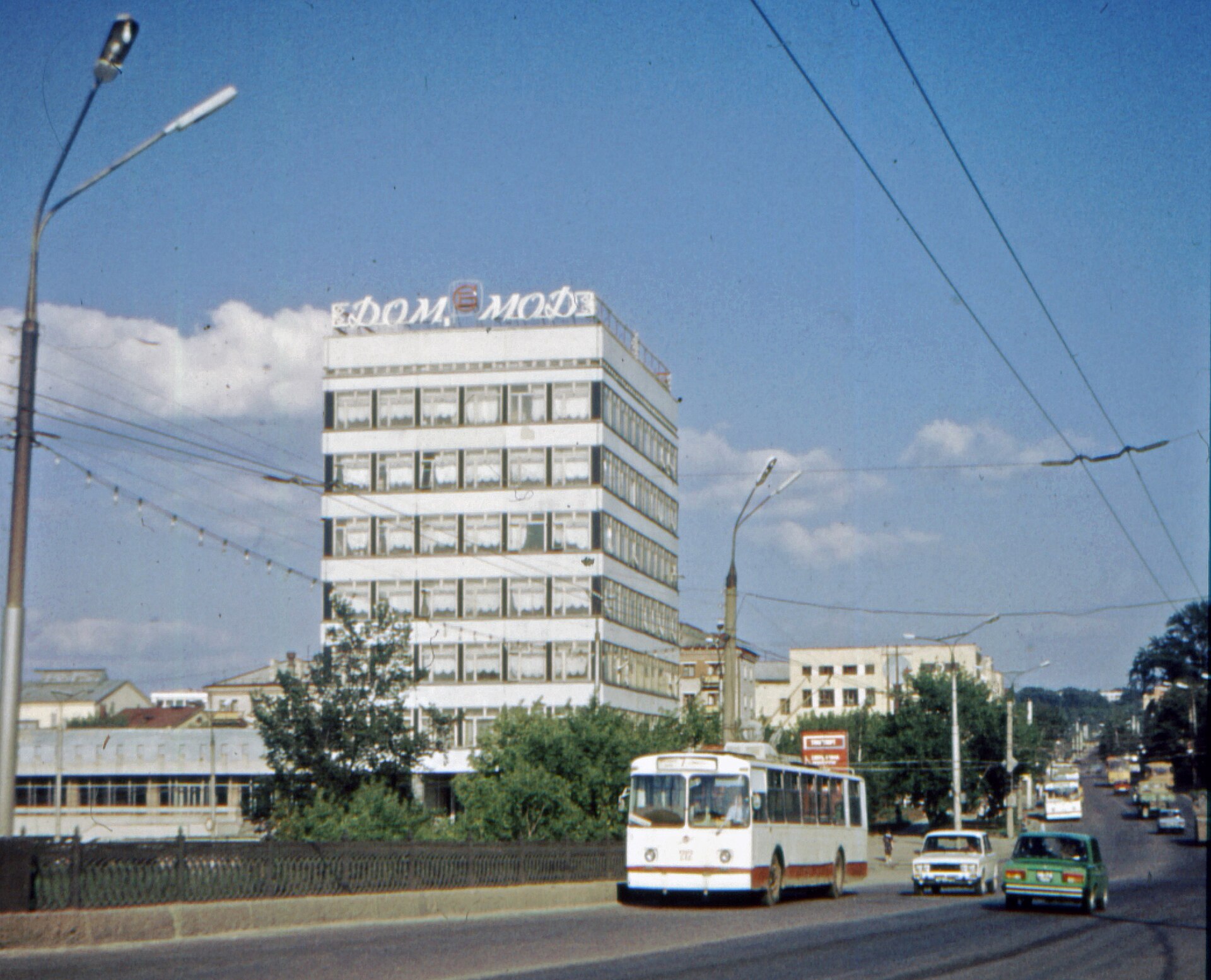
Cheboksary
Introduction
Cheboksary is the capital and largest city of Chuvashia, Russia. It sits as a port on the Volga River, which shapes the city's layout and its role as a stop along one of Russia's great waterways.
Before you go
Cheboksary is the capital of the Chuvash Republic, a constituent republic of Russia, and sits on the banks of the Volga. The city is bilingual in Russian and Chuvash, and the Chuvash language and culture are central to its identity, so a few words of Russian will serve you well in daily dealings. The climate is continental: winters are bitterly cold and summers warm, so pack according to the season you plan to visit.
Getting there
Cheboksary is served by its own airport, with regularly scheduled flights from Moscow and other destinations operated by local airlines using Yakovlev Yak-42 jets and Antonov An-24 turboprops. Alternatively, you can fly into Nizhny Novgorod, about a four-hour drive away, or Kazan, roughly a two-hour car ride away; both have international connections. Microbuses can be hired from Kazan, though arranging transportation with acquaintances is strongly advised. The railway network is developed and accessible all year, and the large junction at Kanash connects Cheboksary with Moscow, the Urals, and the industrial centers of Eastern Siberia. Express trains offer a low-cost, comfortable option, with daily services to and from Moscow taking about fourteen hours overnight. By car, the city sits on a main highway from Moscow toward Tatarstan, the Southern Urals, and Siberia, and road transport carries most traffic in the republic. The Volga also links Cheboksary with Nizhny Novgorod, Yaroslavl, Moscow, and northern regions, and river-sea vessels reach as far as Saint Petersburg, Novorossiysk, Astrakhan, and the Danube—but the river is frozen from December through April.Getting around
Cheboksary has no metro or tram, so surface transport does the work. An extensive network of trolleybuses, buses and minibuses (marshrutkas) covers the city, reaching residential areas, attractions and retail centres, with marshrutkas often following similar routes to the buses and sometimes letting you off anywhere along the way. Expect a flat fare per single ride, paid in cash to the driver, so keep small notes and coins on you. Service generally runs from early morning until late evening, with high frequency at peak hours. Route maps are posted at major bus stops, sometimes displayed inside vehicles, and available online; Yandex.Maps and 2GIS are the most useful tools for real-time routing and schedules, and are worth installing before you arrive. Several places function as natural transfer points where you can change between routes: the area around Ploshchad Respubliki, the Cheboksary Bay, and the Central Bus Station. Accessibility is limited on most vehicles, and public infrastructure often lacks ramps or elevators, though newer buildings and some major tourist attractions may be better equipped.
Official taxi agencies operate in the city, and licensed taxis are marked with yellow signs or distinctive licence plates; if you hail one on the street, agree on the fare beforehand, and note that cash is accepted. Ride-hailing is the lower-risk option, with Yandex.Taxi the dominant app, in-app card payment, and tracking and ratings that reduce the risk of disputes — verify the driver and vehicle against the app before you get in. Privately owned "gypsy" cabs, informal lifts from anyone who owns a car, are a favourite among locals but are potentially dangerous and not recommended for visitors. Walking rewards you in the right places: the Cheboksary Bay and the Embankment are pedestrian-friendly, with wide walkways and green spaces, and the centre around Ploshchad Respubliki and Victory Park (Park Pobedy) are also good on foot, while boardwalks and beaches run along the Volga. Outside those areas, be selective — industrial zones and major multi-lane highways are unsuitable and unsafe for walking or cycling, and cycling infrastructure is limited, with few dedicated bike lanes, so cyclists typically share roads with vehicles or use sidewalks; helmets are advised, and bicycle rental is limited, though some hotels may offer bikes to guests.
Where to stay
For straightforward, clean rooms and friendly service at a reasonable price, consider Hotel Volga or the Ibis Cheboksary Center. Hotel DIS is another well-regarded option. If you're travelling on a tighter budget, 1 Wings Hostel on Kombinatskaya Ulitsa caters to backpackers and has been open since August 2013.Food & drink
You will find restaurants and cafes throughout Cheboksary, with establishments such as Restaurant Emilia, the Hotel Rossia, and Favorite serving excellent dishes. Make a point of trying the local national cuisine: the meat ball "Shartan", the meat pie "Huplu", the meat broth "Shurpe", the sweet dessert "Yovach", the dumplings "Huran kukli", and the okroshka "Uyran yashki". Chuvashia is known across Russia for its beer, as the republic has been a centre of hops growing and brewing for hundreds of years. Cheboksary has two beer manufacturers, Buket Chuvashii and Yantar, and it is also home to Russia's only beer museum.What to see and do
Start with the city's defining sight, the Monument to the Patron Mother, the emblem of Cheboksary and a symbol of Chuvash spiritual revival. Nearby stand the Vvedensky Cathedral and the Saint-Trinity Monastery, while the Cheboksary Prison, first built of wood by order of Ivan IV and later rebuilt in brick, is noted as the oldest prison in Russia. Museum-goers can choose among the Tractor Museum, the Brewing Museum, the Chuvash National Museum, the Museum of Chuvash Embroidery, the Chuvash Art Museum and the Ivan Vasilyevich Chapaev Museum. Much of local life centres on the zalev (bay) in the middle of the city, where people gather to stroll, sit in cafes and socialise. Take a walk along Merchant Efremov Boulevard, the pedestrian zone, or along the Cheboksary Bay and Volga embankments, and in summer swim at one of the city's beaches. Cultural opportunities are strong: an Opera-Ballet Theatre, a Philharmonic Orchestra and theatres performing in both Russian and Chuvash. In summer you can try windsurfing, kitesurfing, sapsurfing, the wake park, boat and catamaran rental, tennis and table tennis, horse riding, or the Belka rope park; winter brings ice skating, skiing and snowboarding, sledging and tubing, and snowmobile trails. Festivals include Akatuy, the national holiday of agriculture, the Hĕlhem fireworks festival, the Green Gold beer festival, Republic Day of Chuvashia, City Day and the Cheboksary International Film Festival.When to go
< p >Cheboksary has a continental climate much like Moscow's, but its winters are colder. Winter settles in from late November and holds until late March, with permanent snow cover throughout the season. Expect sustained cold and snowy conditions, so pack warm clothing and footwear suited to snow if you visit during these months.Three days in Cheboksary
Day one: Start in Cheboksary itself, the capital of Chuvashia on the Volga River. Get your bearings along the riverfront, where the Volga is at its most impressive, then wander into the city centre to take in the mix of Russian and Chuvash culture that defines the Chuvash Republic. Use Yandex Maps to plan your movements, and rely on microbuses to cover longer stretches. In the evening, look for Chuvash dishes rather than sticking to familiar Russian menus.
Day two: Head out of the city to see more of Chuvashia. Kanash is reachable by express train, and the route gives you a sense of the republic beyond the capital. If you would rather stay closer to the water, spend the day along the Volga instead. Expect service to be straightforward and schedules to matter, so check times before you set out.
Day three: Use Cheboksary as a base for a wider Volga itinerary. Alternatively, push on to Nizhny Novgorod or Kazan, both of which sit on the same river system and connect onward toward Tatarstan, the Urals, Eastern Siberia and beyond. Trains and planes link the region to Moscow and Saint Petersburg, with routes reaching as far as Yaroslavl, Novorossiysk, Astrakhan and the Danube. In December and April, conditions shift sharply, so pack for cold and changeable weather rather than assuming a mild river climate.