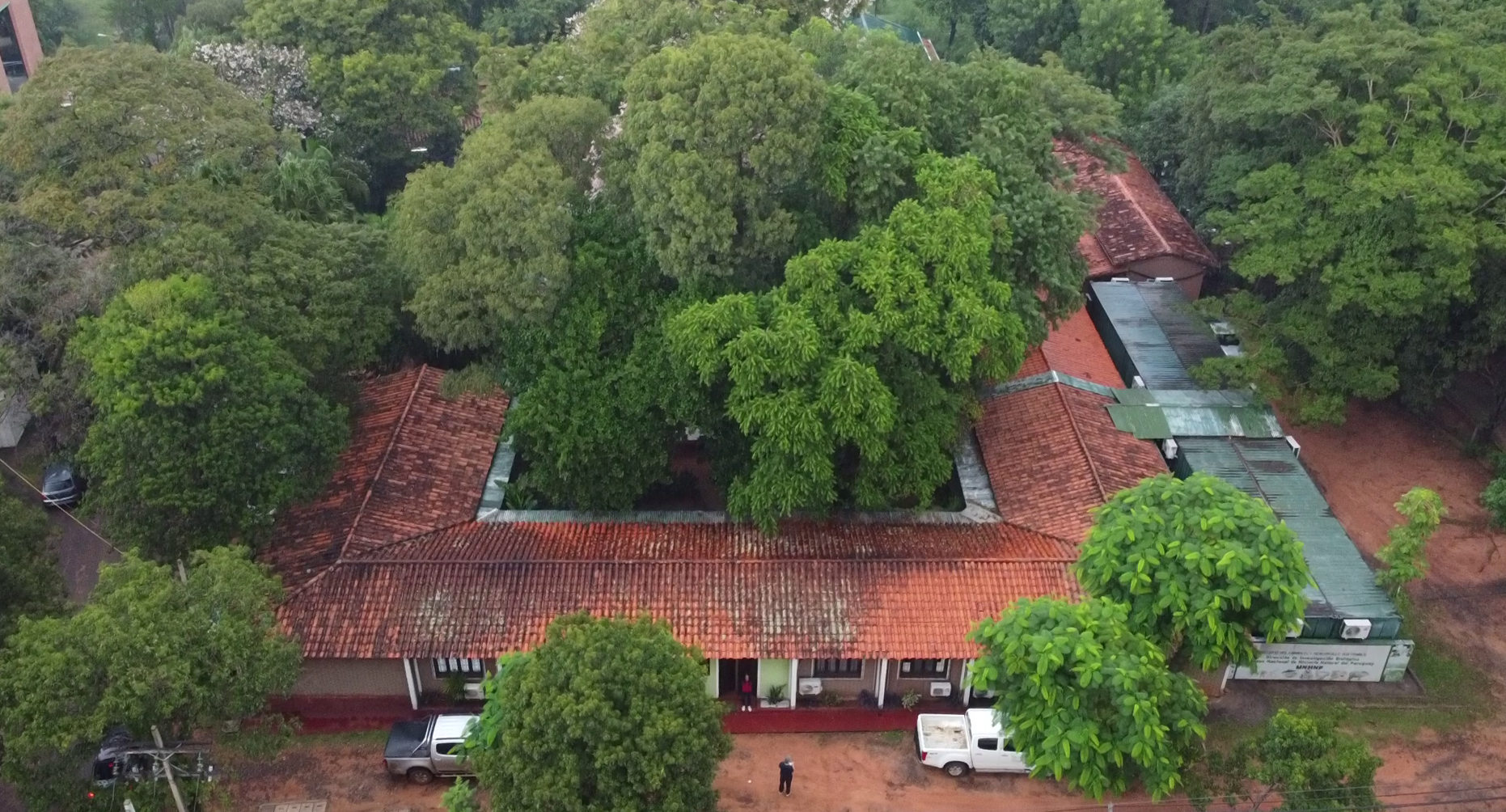
San Lorenzo
Introduction
San Lorenzo sits in Paraguay's Central Department, forming part of the suburban sprawl around Asunción. It is one of the country's most populous cities, and its identity is closely tied to the National University of Asunción, whose campus is located here — a connection that has earned it the nickname "Ciudad Universitaria."
The city is also the seat of the Roman Catholic Diocese of San Lorenzo, giving it a role as a regional religious centre alongside its academic character. For travellers, San Lorenzo offers a look at everyday Paraguayan urban life on the edge of the capital rather than a conventional tourist circuit.
Getting around
San Lorenzo is a road-corridor city rather than a standalone tourist gateway, with no airport or long-distance rail hub of its own, so plan on buses, taxis and ride-hailing rather than trains. It sits inside the Asunción metropolitan transport area, which means metropolitan bus rules apply. Electronic fare cards are central to using the buses: buy and load a Jaha or Más card before you rely on them, and if you will be moving between Asunción and San Lorenzo repeatedly, get the card early and learn the closest stop to your accommodation. Main corridors run between Asunción and San Lorenzo via Mariscal Estigarribia, Eusebio Ayala and Ruta PY02, with local links onward to Fernando de la Mora, Capiatá, Luque, Ñemby and Itauguá. Electric bus routes connecting the two have been described in local-government and media posts, but check the exact route live through the Jaha or Más tools before you set out. Fares are not something to memorise — the metropolitan flat fare is set by government decision and can change, so verify the current fare via the card, the app or a posted notice. Trips onward to interior towns such as Ypacaraí or Caacupé fall under a separate interurban fare category.
Walking works best for short local trips around a single anchor — the shopping area, the hospital, the university zone — rather than as a way to cross the city. For anything spanning distant neighbourhoods, or for night travel and trips with luggage, use a bus with a loaded card, a taxi, or a ride-hailing app. Ride-hailing apps are widely used for airport runs and cross-city trips, with Uber and Bolt both available; treat app examples as a rough sense of cost rather than a quoted price. Pre-booked private transfers are another option, typically with meet-and-greet, luggage help and support for groups or late arrivals. If you take a conventional taxi, confirm the fare or meter before departure, ask whether tolls and waiting time are included, give a clear landmark rather than just "San Lorenzo", and send a map pin in Spanish that includes the neighbourhood for residential addresses. For long-distance travel, the practical hub is the Estación de Buses de Asunción, so you may need to head west before continuing east or south; some international operators also have San Lorenzo agency pickup points, which are operator-specific rather than a universal city terminal, so confirm the company, address, departure time and luggage rules directly with the operator. The main airport is Silvio Pettirossi International in Luque, on the Asunción metropolitan side, and depending on your final destination the route may pass through Luque, Ñu Guasu/Aviadores del Chaco, Asunción-side arterials, or local roads.
Three days in San Lorenzo
Day one: Base yourself in San Lorenzo, a city in Paraguay's Central Department on the outskirts of Asunción. Get your bearings around the National University and Ciudad Universitaria, which give the city its student character, then follow the main arteries such as Mariscal Estigarribia and Eusebio Ayala for the everyday bustle of Paraguayan city life. Spanish will carry you through most exchanges; a few words of Guaraní go a long way. For getting around, ride-hailing apps like Uber and Bolt are straightforward, and local buses are the cheaper option if you have time to spare.
Day two: Use San Lorenzo as your launch point for the wider Central Department. Head to Luque and Itauguá, both within easy reach, and continue toward Capiatá and Ypacaraí if you want a fuller day out. Caacupé makes a rewarding longer trip, particularly for its religious significance and its place in Paraguayan life. Fares are low and trips are short by intercity standards, whether you take a bus or arrange a ride. If you prefer to stay closer, walking the city and its university quarter fills a day comfortably.
Day three: Give Asunción a full day. The Roman Catholic Diocese and the historic core reward slow wandering, and the city's markets and riverside are worth your time. Silvio Pettirossi International Airport sits between Asunción and Luque, so this is also the practical day to sort onward travel. If you have hours to fill before a flight, the area around Aviadores and the Guasu parkland offers an easy way to pass them.