Dadu
Introduction
Dadu is a city in Sindh, Pakistan, and serves as the capital of the Dadu District. It sits on the western bank of the Indus River, and is administratively divided into four Union councils.
If you visit, the city is best known for its tea.
Before you go
Before you go, be aware that Dadu has a reputation for being very unsafe. Take this seriously when planning your trip, and think carefully about whether your visit is necessary.Getting there
Dadu sits on the main road and rail corridor running through Sindh, so you can reach it overland from either Karachi or the interior. The source material for this guide is thin, so treat onward connections as something to confirm locally before you set out.
Getting around
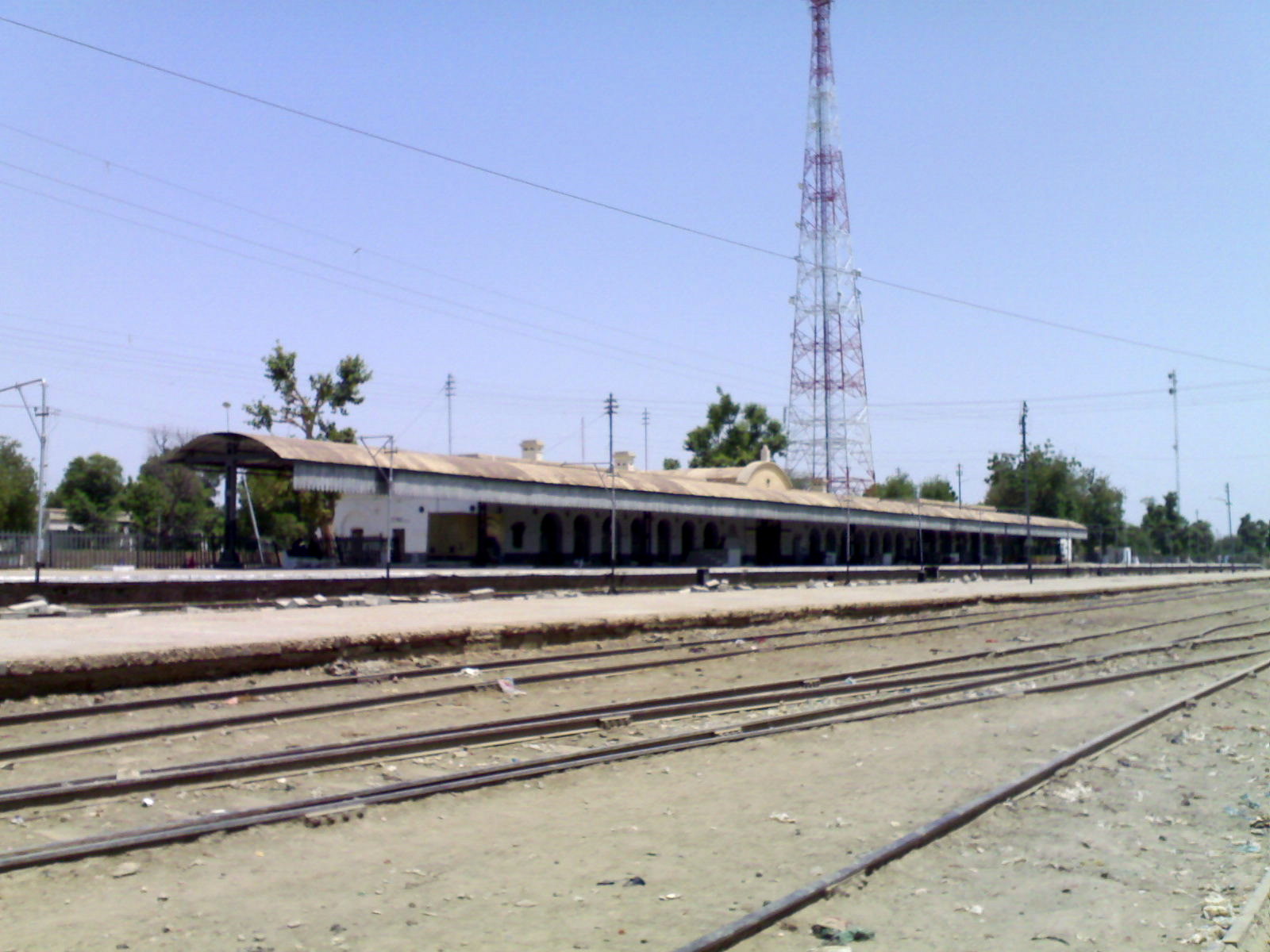
Dadu is a regional town rather than a metropolis, so getting around is a matter of a few clearly defined options. The railway station is the most recognisable landmark and the natural anchor for arrivals and departures — use it as your reference point when orienting yourself or arranging a pickup. There is no metro or tram network here, and any rail journey in or out of Dadu runs on the national network rather than a local rapid-transit line. If you arrive by train, sort out your onward transport — a taxi, rickshaw or local bus — before or immediately after you arrive, since the station area is where these services concentrate.
Buses and shared local transport are the mainstay of everyday movement, linking the town with surrounding settlements and larger regional hubs. Timetables and routes in a town of this size tend to be informal and changeable, so ask locally — at your accommodation or the railway station — about which buses or vans are currently running to your destination, and expect to pay your fare on board rather than buying a ticket or pass in advance. Services may wait until they are full before departing, so allow extra time. Taxis and other hired vehicles are the most flexible choice for point-to-point trips and for places buses do not serve directly; arrange them locally by asking at your hotel, at the station, or by flagging one down, and agree the fare before you set off with small notes or change ready. Walking works well for the compact core, where the main bazaars, the station and the bus stands sit close together — walk during daylight for short trips, carry water, and expect heat for much of the year. Beyond the centre, distances stretch out and roads are shared with fast-moving traffic, so switch to a rickshaw, taxi or bus. Dadu has no airport, so if you fly in you will land at a larger regional or national airport and continue overland, either by taxi or hired car for the road leg or by connecting to the railway network and finishing at Dadu railway station; arrange that transfer in advance where you can. Build your plans around the railway station and the bus stands, keep cash in small denominations for fares, and ask locally for current routes and timings.
Food & drink
The source material for Dadu offers no named dishes, restaurants, markets or drinks, so there is nothing specific to recommend for eating and drinking here.What to see and do
Gorakh Hill, roughly 94 km north-west of Dadu city, is the standout excursion in the area. Set on one of the highest plateaus in Sindh, at an elevation of 5,688 ft within the Kirthar Mountains Range, it remains an under-development hill station rather than a finished resort, so you should expect a raw and largely undeveloped setting. The surrounding terrain makes it a distinctive adventure point for nature lovers, and the climb into the mountains is part of the experience. Because the hill station is still being developed, plan your visit around what the site actually offers rather than expecting established tourist facilities. Go for the mountain scenery, the elevated plateau and the sense of remoteness that comes with the Kirthar range.Three days in Dadu
Day one: Base yourself in Dadu, a city in Sindh, Pakistan, and the administrative centre of Dadu District. Take your bearings on foot, then use the town as your starting point for the wider district. Buses and taxis connect Dadu with Karachi, though timetables and services vary, so plan your onward travel before you commit to a schedule.
Day two: Head beyond the city towards Gorakh Hill, set in the Kirthar Mountains Range. Because the climb and the distance take time, go early and build your day around the journey rather than around a fixed itinerary. The route into the Kirthar is the point of the trip as much as the destination.
Day three: Give the Indus River your time. It shapes the district and the union of settlements along its course. If you have a day left, use it to move at walking pace and let the river set the rhythm, rather than rushing back towards Karachi.