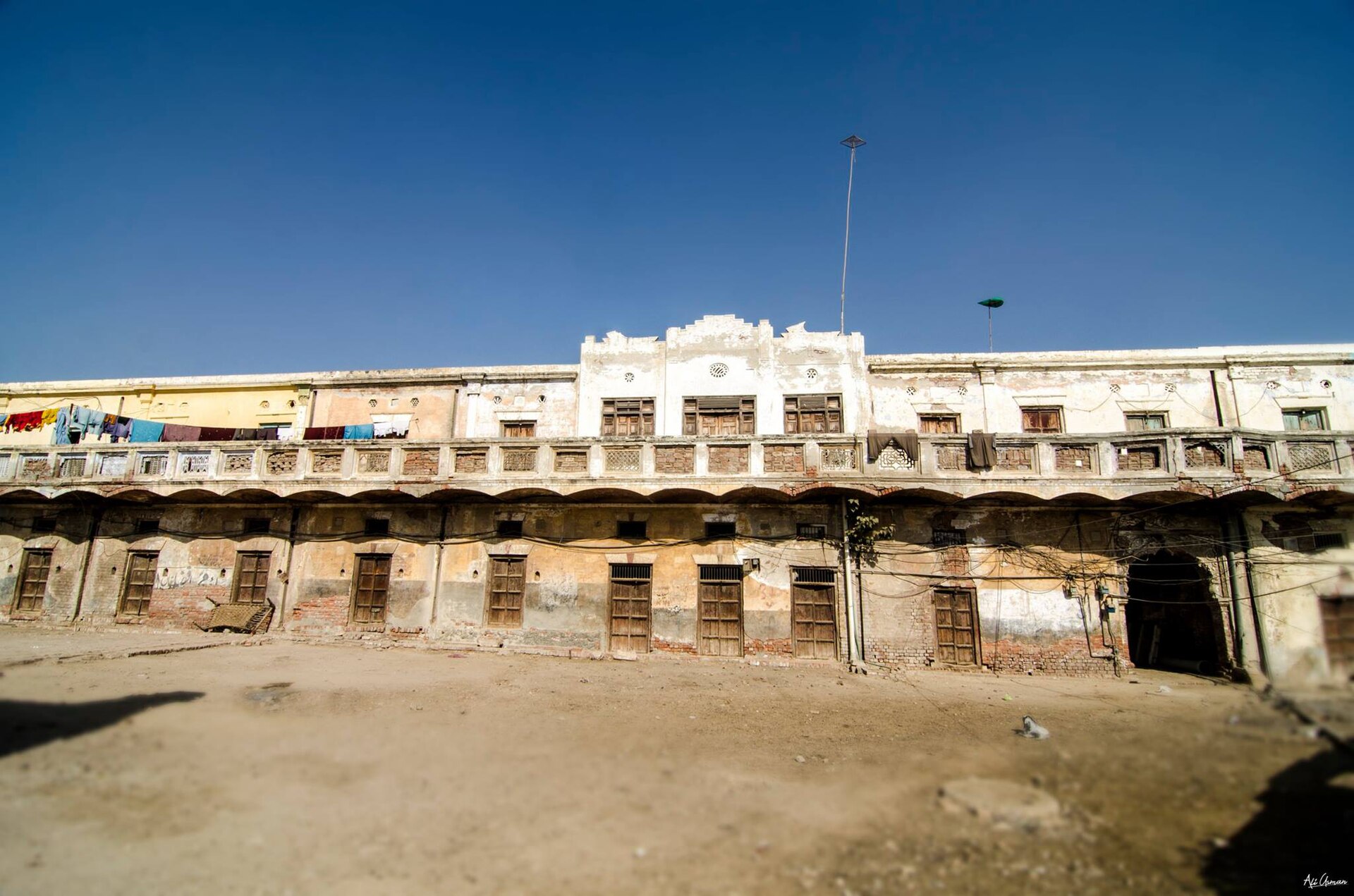
Bahawalnagar
Introduction
Bahawalnagar is the capital of Bahawalnagar District in Punjab, Pakistan, and serves as the headquarters of both the district and its tehsil. The city was once known as Rojanwali/Ubbha, and it took its present name in 1904 after Bahawal Khan V, the ruler of the Bahawalpur state that comprised the present districts of Bahawalpur, Bahawalnagar and Rahim Yar Khan.
You will find the city in the south of Punjab, roughly 262 km south of Lahore, about 175 km east of Bahawalpur and 65 km from District Pakpattan. The River Sutlej runs along the northern side, at a distance of about 6 miles from the city.
Before you go
Bahawalnagar sits in the Punjab, and the source material for this guide is limited to a bare section heading, so there is little firm detail to pass on before you set out. Expect a Punjabi setting and plan around that rather than any specific sights, and treat any arrangements you make as provisional until you can confirm them locally.
Getting there
Bahawalnagar sits in the Punjab plains, and the source material for this guide offers no detail on how to reach it. No airport, rail station, bus terminal or road route is described, so you will need to confirm connections and transport options through other sources before you set out.
Getting around
Bahawalnagar is a compact city, and the railway station makes a sensible orientation point: the old railway bazar around it is the commercial heart of town, and the core south of the station is fairly navigable on foot. For short hops between the station, the bazar and your lodging, taxis and rickshaws are the practical choice, and agreeing on a fare before you set off is the usual practice. Ride-hailing apps may have limited coverage in a city of this size, so confirm availability locally or arrange a taxi through your hotel rather than assuming an app will work. There is no metro or tram, so plan your movements around buses, taxis, rickshaws and trains.
For longer trips, rail is the mode with the deepest roots here: the station is your main long-distance gateway, with branch lines continuing toward Amrooka and Fort Abbas. Buses and other road-based transport serve the surrounding towns and districts, helped by the city's position on the old Sher Shah Suri road and its proximity to Pakpattan; services are oriented around regional connections rather than a formal city network with published passes, so ask at your accommodation or at the bus stand about departures, and pay fares on board or at the counter. If you are walking the central bazar, plan it for the cooler parts of the day — summers are very hot and the monsoon rains from June to September can be heavy and may cause flooding, while westerly waves can bring heavy rain and hail between November and May. No airport serving Bahawalnagar is documented, so most visitors arrive overland or by rail, with Lahore and Bahawalpur as the major reference points.
Where to stay
Bahawalnagar offers a small, straightforward choice of places to sleep. The Paradise Hotel and Restaurant is the main hotel option, and there are private guest houses in the city alongside the Guest House Government. Naseeb Food Cafe is also listed among the places to stay, so you can combine a room with a meal on site.
- Paradise Hotel and Restaurant
- Naseeb Food Cafe
- Guest House Government
- Private guest houses
Food & drink
Bahawalnagar keeps eating simple and spread out, with most places clustered around the main chowks and roads. For pizza you can head to Italian Pizza near City chowk or King Pizza opposite City Pump Commercial Chowk. Naseeb Food Cafe sits opposite Government Girls College, while Raise Restaurant is found on Chishtian Road and New Asif Family Park on the Arifwala bypass. For a cluster of options in one stretch, the Food Street near Khan Baba and Qasim road gathers several stalls and eateries together, and AlJanat Cafe is another spot to keep in mind.
When you want something cold, Shaada Cold Corner near Minchanbaad chowk is the place named for it. Beyond these, the source lists no further details, so treat the above as starting points and ask locally for what is good on the day.
What to see and do
For a modest day out, head to Bahawalnagar Zoo on the Bahawalnagar Bypass; it is not a large zoo, but it is a pleasant and attractive place to spend some time. The city's parks give you further options for a relaxed outing, including Satluj Park, Asif Family Park and Eden Valley. The source lists no specific activities or things to do beyond these places, so plan your visit around strolling the zoo and the parks rather than expecting organised tours or events.When to go
Bahawalnagar has a semi-arid climate, so the timing of your visit shapes what you can comfortably do outdoors. Summers are very hot, and the monsoon from June to September brings most of the year's rain, sometimes heavy enough to cause flooding. If you travel in this stretch, expect the wettest weather of the year combined with summer heat.
Winters are mild rather than cold, making them the most comfortable stretch compared with the very hot summers. Keep in mind that westerly waves can bring heavy rainfall and hail during this period, which overlaps both the mild winter and the spring rains, so sudden heavy showers or hail are possible. A secondary wet spell runs from February to April, bringing some rain outside the main monsoon, though it is a secondary wet period rather than the peak rainy season.
Three days in Bahawalnagar
Day one: Start in Bahawalnagar itself, the district's main town in Punjab, Pakistan, and get your bearings around the commercial heart at City Pump Commercial Chowk. Stop for a meal at one of the local spots such as Naseeb Food Cafe or the Restaurant at the Paradise Hotel, or try the pizza at King Pizza or Italian Pizza if you want something familiar. In the evening, settle in at the Paradise Hotel or the Guest House Government, both useful bases for exploring the wider district.
- City Pump Commercial Chowk
- Naseeb Food Cafe
- King Pizza or Italian Pizza
- Paradise Hotel or Guest House Government
Day two: Head out into Bahawalnagar District to see the smaller settlements and the river country. Rojanwali, Ubbha and Amrooka are among the villages scattered across the district, and the River Sutlej marks the landscape nearby. Expect warm and humid conditions if you visit between June and September, while November through May is generally more comfortable for time outdoors. Buses are the practical way to get around, and you can ride onward toward Bahawalpur or Rahim Yar Khan if you want to extend the trip.
- Rojanwali, Ubbha and Amrooka
- The River Sutlej
- Buses toward Bahawalpur or Rahim Yar Khan
Day three: Look further afield toward the district's historic edges. Fort Abbas lies within Bahawalnagar District, and the region carries the memory of Sher Shah Suri, whose legacy of roads and forts shaped this part of Punjab. Pakpattan and District Pakpattan are within reach for a longer excursion, and Lahore is the major city to the north if you are continuing your journey. Keep the pace easy and let the Punjabi countryside set the rhythm of your last day.
- Fort Abbas
- Pakpattan and District Pakpattan
- Lahore for onward travel