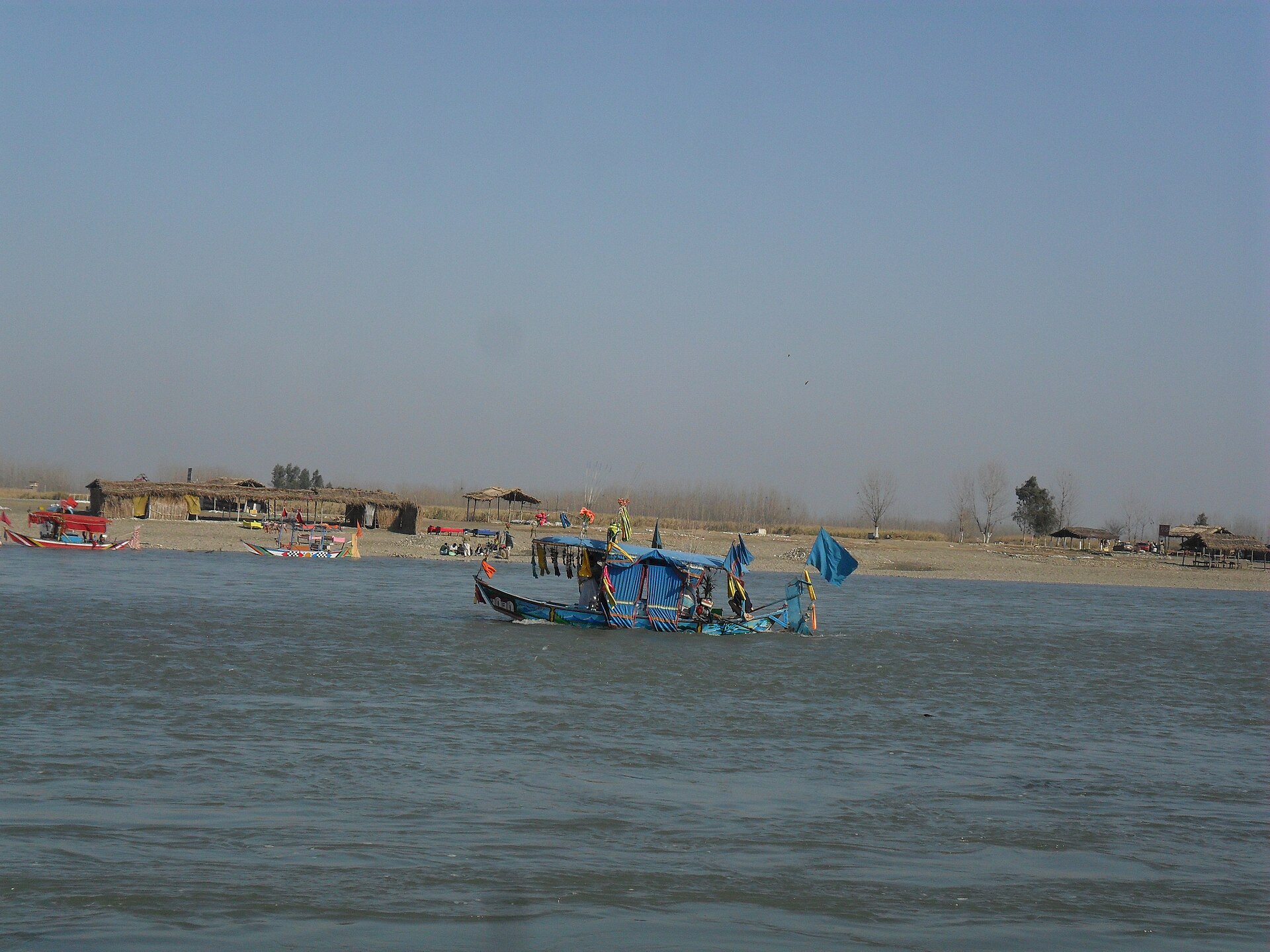
Shabqadar
Introduction
Shabqadar is a city in the Charsadda District of Khyber Pakhtunkhwa province in Pakistan, situated roughly 28 kilometres north of Peshawar, the provincial capital. Use it as a base for exploring this part of the province, with Peshawar's larger urban offerings within easy reach to the south.
Before you go
Before you travel to Shabqadar and the wider Khyber Pakhtunkhwa region, understand what you are walking into. Northwest Pakistan is an exceptionally dangerous area, and many countries advise against all travel to the territory. The local people have a long history of tribal warfare and banditry, and terror attacks are a common occurrence in the region. Check for travel advisories from your government and submit the online registration form provided by the Khyber Pakhtunkhwa Tourism Authority before you go. Towns bordering the tribal areas and the Afghan-Pakistan border regions are not considered particularly safe, as the Pakistan government has little to no authority there and cannot aid you in an emergency. Always seek information about off-limits areas before travelling.
Non-Pakistanis need prior permission from the Pakistani government to travel to portions of Khyber Pakhtunkhwa given the poor security situation. This permission, known as a No Objection Certificate (NOC), must be obtained from the Pakistani Foreign Ministry, and attempting to enter without one could result in arrest. Many countries advise against all travel on the N45 Highway from the north of the Mardan ring road to the edge of Chitral because of high crime and terrorism incidents. Military activity is frequent, cross-border attacks may occur in areas south and west of Chitral, and local authorities may impose curfews at short notice. Military bases such as airports may be targeted, and the mosque azaan can act as a siren during these periods. For more information, refer to war zone safety, particularly under explosions, airstrikes and shootings.
Getting there
Shabqadar sits in Khyber Pakhtunkhwa, and travel in parts of the province warrants caution: rural areas and districts near the Afghan border are considered less safe than Peshawar's urban environment or more touristed destinations such as Chitral and the Swat Valley. Unless you are heading to an area of high security concern, a No Objection Certificate is no longer required, but the Khyber Pakhtunkhwa Tourism Authority offers an online registration form, and it is strongly recommended that you complete it before entering the province.
The practical gateway is Peshawar. Peshawar International Airport (PEW) sits in the centre of the city and is served by all Pakistani carriers, including the national flag carrier PIA, along with Middle East airlines such as Emirates, Etihad, Gulf, Kuwait and Qatar. It has direct international flights from Al Ain, Bahrain, Dubai, Abu Dhabi, Doha, Jeddah, Kabul, Muscat, Kuwait and Riyadh, while connections from other Asian, European and American cities are available via Lahore, Karachi and Islamabad airports; domestic flights link Peshawar with Chitral, Islamabad, Karachi and Lahore. Buses and minibuses run to Peshawar from many parts of the country, with Daewoo operating the most luxurious services to Rawalpindi, Islamabad, Multan, Faisalabad, Abbottabad and Lahore. By road, Peshawar is connected with Islamabad via Motorway M-1 and national highway N-5, and Pak Rail trains reach Peshawar from Karachi and Quetta, both routing via Lahore and Rawalpindi; note that there are no passenger trains from Landi Kotal in the Khyber Pass.
Getting around
Shabqadar has no rail, metro or tram network of its own, so you get around by road. The town is compact and busy, and most day-to-day movement is short-distance. Orient yourself around Shabqadar Bazaar, the main commercial and social hub, and the surrounding streets. Local minibuses and similar shared road transport are the norm for short trips, and taxis or shared vehicles are the practical choice for longer local journeys or for reaching the bazaar and other destinations. No official taxi or ride-hailing scheme is described, so arrange your transport locally and confirm the fare before you set off.
Walking is a reasonable way to explore the bazaar area and get a feel for the town, and Shabqadar Bazaar and Shabqadar Fort are the kind of places you typically reach on foot once in the centre. Bear in mind that this is an active working town rather than a purpose-built tourist zone, so expect busy streets and plan your walks around the bazaar rather than assuming a dedicated pedestrian network. For anything beyond the town, treat Peshawar as your gateway: buses and minibuses connect the region, Daewoo runs comfortable long-distance services to destinations such as Rawalpindi, Islamabad, Multan, Faisalabad, Abbottabad and Lahore, and rail connections are in Peshawar. If you fly in, Peshawar International Airport is the main airport for the region, and you complete the final leg north to Shabqadar by road.
Where to stay
Shabqadar has limited accommodation, with the Pearl Continental Hotel being the main option for visitors needing a place to stay. Given the town's small size, it's wise to arrange your lodging before arrival rather than expecting to find rooms on the spot.
Food & drink
Peshawar's most famous dish is Chappal Kabab, a beef kebab shaped like the sole of a sandal. Several well-known kebab shops sell it around the city; ask at your hotel or a local travel agent for directions to the best ones. For a fuller meal, head to the restaurants of Namak Mandi, which serve excellent tikka and karai. Meat is ordered by the kilogram and then cooked to your preference — as tikka, barbecued, or as karai, an oil-rich stew with tomato and chili. For something sweet, look for faluda in the city's markets and bazaars, especially in Qisa-Khwani Bazaar.
To drink, try kawa, the green tea Peshawar is known for; it has a distinctive flavour and is usually served sweet. In summer, watch the markets for Sharbat-e-Sandal, a sweet, non-carbonated drink with a yellowish-green transparent colour — look out for the black seeds in it. It is served ice cold.
What to see and do
The region around Shabqadar holds a spread of historic sites worth planning around. In Mardan you can see the ruins of Takht-i-Bahi and those of Sahr-i-Bahlol, while Peshawar offers Bala Hisar Fort, the Sikh Temple at Jogan Shah, Gor Khuttree — an ancient site associated with Buddha's alms bowl and later the headquarters of Syed Ahmad Shaheed and Governor Avitabile — and Shah Ji Ki Dheri. Also in Peshawar are Chowk Yadgar, the Ghanta Ghar clock tower, Avitabile's Pavilion and the Victoria Memorial Hall. Elsewhere you can visit Panch Tirath, an ancient Hindu site now converted into a park, and the Pakhtu Academy, site of an ancient Buddhist University. Note that Burj Hari Singh, the Sikh fort founded by Sardar Hari Singh Nalwa, no longer exists. In summertime, hiking tours to the mountains are offered; you can ask at Green Tours in front of the Greens Hotel in Peshawar Cantt, or at Pearl Tours of the Pearl Continental Hotels. You can also arrange the same by hiring a car, jeep or pickup from local car rental agencies. The region is home to Pakistan's oldest ski resort, near Malam Jabba — modest in size, with only two pistes.Three days in Shabqadar
Day one: Begin in Shabqadar, a town in Charsadda District in Khyber Pakhtunkhwa, Pakistan, and use it as your base for exploring the surrounding area. Before travelling, check the advice of the Khyber Pakhtunkhwa Tourism Authority, as some towns in the region require permits for visitors. Non-Pakistanis may need a No Objection Certificate (NOC) from the Pakistani Foreign Ministry, so arrange this well in advance. Many travellers reach the area by highway from Peshawar, Mardan or Chitral.
Day two: Plan your onward movement carefully, as military restrictions can affect travel in parts of Khyber Pakhtunkhwa. Unless your paperwork is in order, avoid routes that require special permission, and keep your NOC with you at all times. For travel further afield, Peshawar International Airport (PEW) is served by PIA and by Middle East carriers such as Emirates, Etihad, Gulf, Kuwait, Qatar and Al Ain.
Day three: Use your final day to consolidate your arrangements and return to Peshawar or continue to other towns in the region. Always confirm current requirements with the Khyber Pakhtunkhwa Tourism Authority before setting out, as conditions can change. Northwest Pakistan rewards those who prepare, so check documents and transport links before you leave Shabqadar.