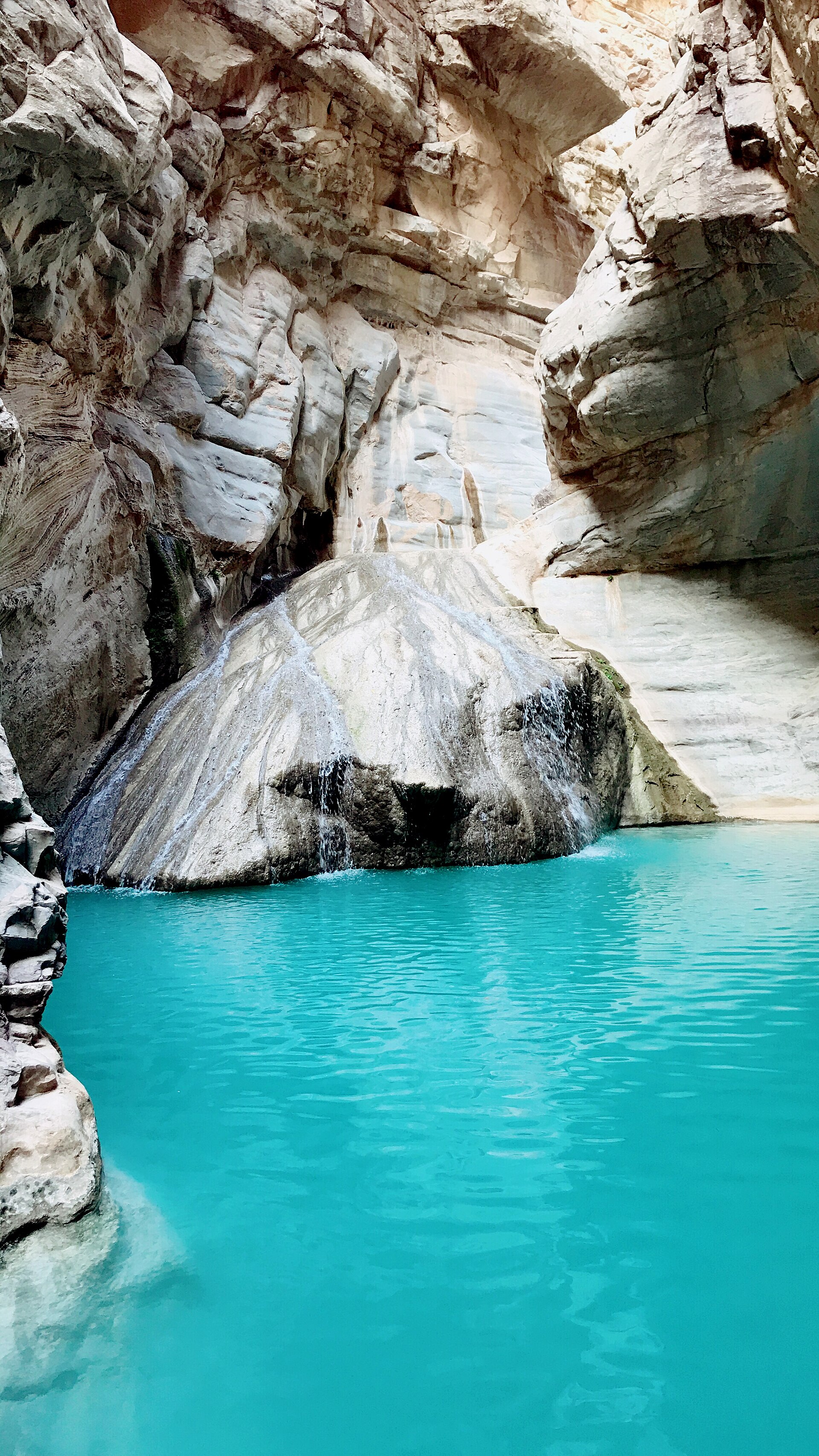
Khuzdar
Introduction
Khuzdar, also known as Hozdar, is a city in Balochistan and the administrative headquarters of Khuzdar District. It sits in the mountainous region of southwestern Pakistan, near the centre of the province.
If you are passing through this part of Balochistan, expect a city defined by its highland setting rather than by visitor sights; the surrounding mountains are the defining feature of the area.
Before you go
Khuzdar is a city in Balochistan, and the source material for this guide is thin: there is no practical detail on how to prepare for a visit. What you can rely on is the city's setting and climate. Khuzdar sits in a rugged part of the province, and summers here are hot, with dusty, dry conditions typical of the region; winters are cold. Pack accordingly, with light, sun-protective clothing for the warm months and warm layers for the cold season.
Because the source offers no information on safety, transport, or local services, plan conservatively. Check current travel advice for Balochistan before you set out, arrange your onward transport and accommodation in advance, and keep your plans flexible. Treat this section as a prompt to do your own research rather than a substitute for it.
Getting there
Khuzdar sits on the main road and rail routes through Balochistan, so most travellers reach it overland rather than by air. The source material for this guide gives no detail on specific services, so check current connections and schedules locally before you set out.Getting around
Khuzdar has no metro, tram or urban rail network, and no city bus system with published routes, schedules or passes, so plan your local travel around road-based transport. Movement around town is handled by informal and private vehicles rather than a ticketed municipal service, and there is no transit pass or fare card system to look out for.
Arrange your rides directly, agree your destination and fare in advance, and where possible rely on a driver or contact you already know; because Khuzdar is a compact provincial city rather than a major metropolitan hub, sort out your onward transport before you need it rather than assuming a vehicle will be readily available on demand. Walking is a reasonable way to cover short distances in the city centre during dry periods, but carry water and sun protection, and be prepared for sudden downpours during the July and August monsoon. If you are arriving by air, confirm your arrival point and onward transport ahead of time and treat the final leg into the city as a pre-arranged private transfer, since no airport shuttle or taxi rank is described. For longer trips within the district, note that settlements such as Gresha lie well outside the city itself.
Where to stay
The source material for Khuzdar contains no accommodation information, so there is nothing to say about where to stay.Food & drink
For a filling meal, head to Awaami Restaurant, a welcoming spot where you can eat something to satisfy your appetite. It stays open around the clock, which makes it a useful stop whenever hunger strikes, whether early in the morning or late at night.
What to see and do
The main sight in the district lies out in a valley in the Wadh tehsil: Lāhūt Lā makān, a cave that serves as a spiritual destination beside the shrine of the saint Bilawal Shah Noorani. Some writers hold that the cave was once an important place of Hindu worship, which fits the wider history of Hindu sites in the area that were converted to Sufi centres over time. In Khuzdar itself, head to Dhak Khana Road for the Faizan e Aulia Masjid, regarded as one of the most beautiful mosques in the district; most people come to take in its architecture, and there is no charge to visit.When to go
Khuzdar sits in a high valley with a semi-arid climate and very low, erratic rainfall. The heaviest average rain arrives with the Asian monsoon, but the rain is erratic, and in many summers no significant rain falls at all. A visit during the monsoon months may meet either a soaking or a dry spell, so plan for either without counting on the rain.Three days in Khuzdar
Day one begins in Khuzdar itself, easing into the rhythm of the town on foot. Walking Dhak Khana Road gives you a feel for the place, and you can pause at Awaami Restaurant for a meal before continuing. Treat the afternoon as a gentle introduction to the district rather than a rush between sights.
- Walk Dhak Khana Road
- Eat at Awaami Restaurant
Day two looks outward across Khuzdar District. Arrange a visit to the Sufi shrine of Bilawal Shah Noorani, and take in the Hindu and Sufi heritage that gives the area its character. Because travel here takes time, pack for a full day and check conditions before setting out.
- Visit Bilawal Shah Noorani
- Explore the Hindu and Sufi heritage of the district
Day three turns toward the wider region of Balochistan. If the weather allows, head for Wadh and Lāhūt, and stop at Faizan and Aulia Masjid along the way. July and August are warm and humid, so plan your movement for the cooler parts of the day and keep the pace relaxed.
- Head to Wadh and Lāhūt
- Stop at Faizan and Aulia Masjid