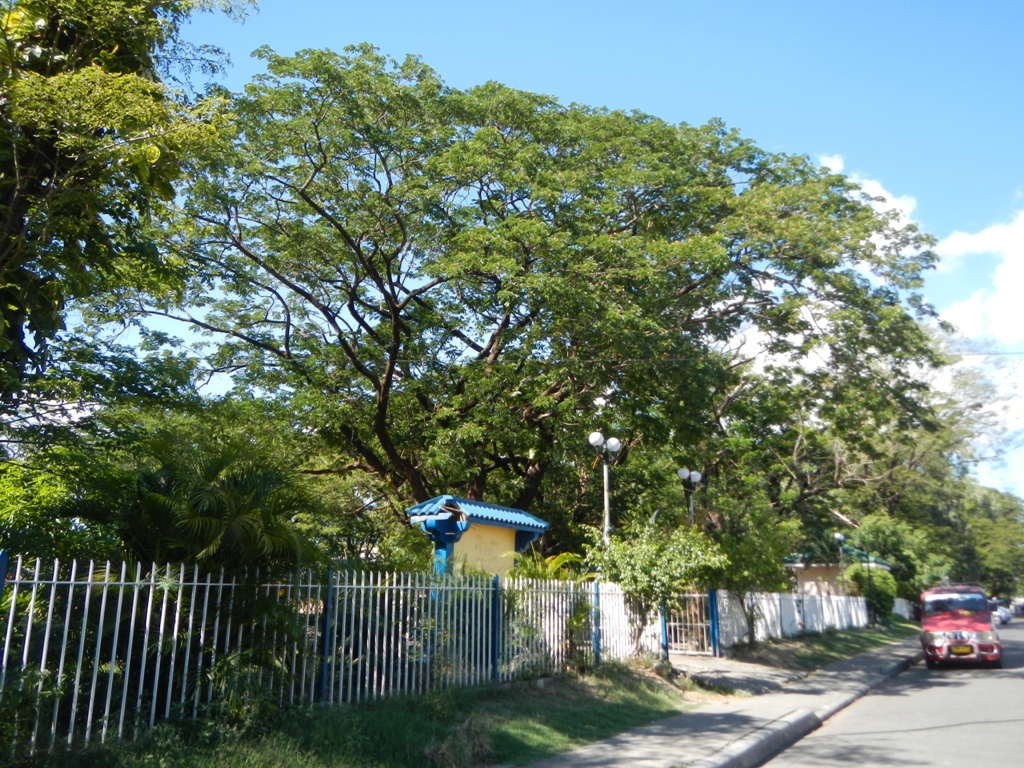
Cabanatuan City
Introduction
Cabanatuan, officially the City of Cabanatuan, is a component city in the province of Nueva Ecija in the Philippines. It is your starting point for exploring this part of Nueva Ecija, a province in the Philippine archipelago.
Getting around
Cabanatuan has no rail, metro, or tram network of its own, so don't plan on trains for getting around once you're there. Rail only comes into play if you're arriving from Manila, where you can take LRT Line 1 from Doroteo Jose Station to EDSA Station and then continue by bus — that leg is simply a way to position yourself for the bus, not a way to travel within the city. For local trips, the motorized tricycle is the defining form of transport. You flag one down on the street or find one at a nearby terminal or stand, agree on your destination, and pay the driver directly; there is no citywide ticket or pass system, so you pay per trip, per vehicle. Tricycles are the most visible and readily available way to cover short hops within the city and between its districts and barangays.
- Tricycles: The workhorse of local transport and the easiest way to get around — agree on the fare with the driver.
- Buses: The main way to reach Cabanatuan from elsewhere, thanks to its position on the Pan-Philippine Highway. From Manila, 5 Star Bus Company runs a direct service from Pasay, with departures spaced through the day rather than continuous; book online via pinoytravel.com.ph and check schedules at fivestarph.com.
- Taxis and ride-hailing: Operators on the Manila–Cabanatuan route include Basic Taxi, Dollar Taxi, Grab Taxi, Green GSM, MGE Taxi, and R&E Taxi. A taxi is considerably more expensive than the bus, and while Grab is a realistic choice where coverage is available, tricycles remain the more dependable everyday option within the city.
- Walking: Practical for short hops within a single commercial area, but Cabanatuan is sprawling across many barangays and the heat works against long walks. The city has a tropical wet and dry climate with year-round warm weather, and daytime heat during the dry season can be intense — limit walking to short distances and lean on tricycles for anything longer.
When to go
Cabanatuan has a tropical wet and dry climate, so you can expect warm weather at any time of year. It is among the hottest cities in the Philippines, and the heat is at its most intense during the dry season. That season also brings the least rain, but the temperatures themselves can be extreme, so plan around the heat rather than the wet.
The wet season is when the city receives its rainfall, and it coincides with the typhoon risk Cabanatuan faces — the city is highly exposed to natural hazards such as typhoons and flooding. Past typhoons in these months have caused severe flooding that left major roads impassable to light vehicles for two to three days and damaged establishments, farmlands, and electric lines. If you travel during the wet season, build flexibility into your plans.
Three days in Cabanatuan City
Day one: Arrive in Cabanatuan City from Manila. If you are coming by rail, take the LRT Line to Doroteo Jose Station or EDSA Station, then continue by bus. From Manila, Star Bus Company runs services from Pasay along the Pan Philippine Highway into Nueva Ecija. Once you reach Cabanatuan, tricycles are the easiest way to move around the city, and taxis are also available if you prefer. Operators include Basic Taxi, Dollar Taxi, Grab Taxi, Green GSM, and MGE Taxi, and you can also book through Grab. Settle in and spend the rest of the day walking the city centre to get your bearings.
Day two: Use the day to explore Cabanatuan City itself. Walking is practical for shorter distances, while tricycles cover the longer stretches. Buses and taxis give you further options if you want to range beyond the centre. In the past, the city has been a stop on routes through Nueva Ecija, and it remains a convenient base for seeing this part of the Philippines.
Day three: Make your final rounds of Cabanatuan before heading back. Tricycles, taxis, or a Grab car can take you to the bus terminal for the return trip to Manila. Star Bus Company connects the city with Pasay, and from there you can link to the LRT Line at EDSA Station or Doroteo Jose Station. That completes three days in Cabanatuan City.