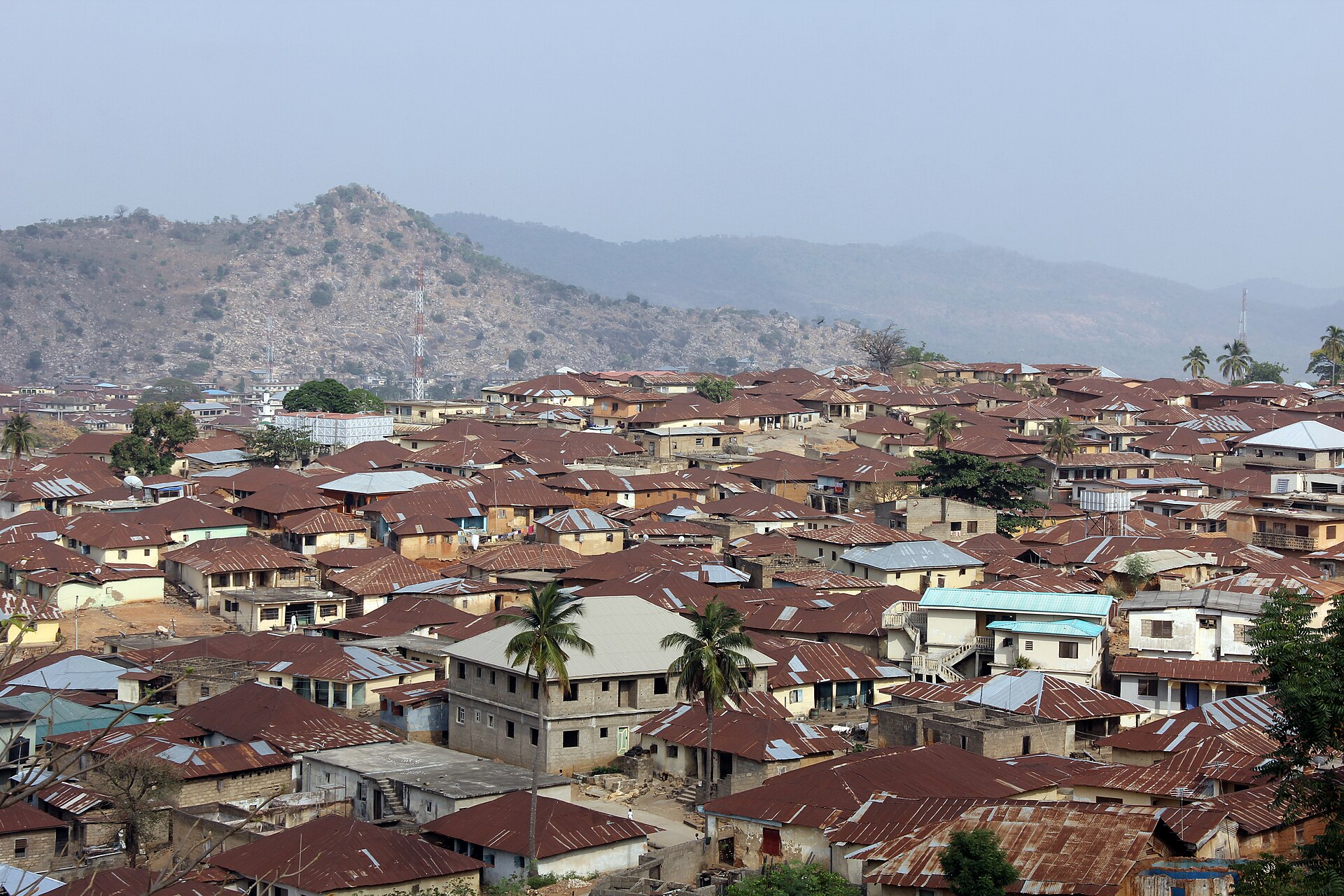
Okene
Introduction
Okene is a town in Kogi State, Nigeria, and forms its own Local Government Area of the same name. It lies along the A2 highway, which makes it a straightforward stop for travellers moving through this part of the country.
Use Okene as a practical base for passing through Kogi State rather than as a destination in its own right; the town's position on the A2 is its main draw for visitors.
Before you go
Okene is a town in Kogi state, in Nigeria's south-central region, and the home of the Ebira Tao people. It became a Local Government Area in 1976, carved out of the old Ebira (also known as Igbira) division. Knowing this helps you place the town within Kogi state before you arrive.
Plan your timing around the weather. The hot season runs from late January to mid-April, with March the hottest month, so expect very high daytime temperatures if you visit then. The cool season, from mid-June to late October, brings lower temperatures, with August the coldest month. For hot-weather activities, early November to late February is considered the best time to visit. Kogi is known as a relatively safe and peaceful state with a serene environment, but as with any destination you should still take the usual precautions.
Getting there
Most visitors reach Okene by way of Kogi State's transport links. By air, Nnamdi Azikiwe International Airport serves as the main gateway, with international carriers including Lufthansa, KLM and British Airways, a direct Delta Air Lines service from New York JFK, and plenty of connecting flights from Lagos. From the airport you continue overland into Kogi State.
- By bus: services run from major cities such as Abuja, Lagos, Benin, Kano and Port Harcourt. Operators include ABC Transport (air-conditioned luxurious buses), God is Good Motors (GIGM), Big Joe Motors, Chisco Transport (CTN) and Young Shall Grow.
- By train: the inter-city line links Kogi with Abuja and Kaduna, where you can connect with the rest of the Nigerian rail system. Trains arrive and depart from Itakpe, with Economy, First Class and Sleeper classes; check the Nigeria Railway Corporation website for schedules and current fares. From Itakpe station it is easy to pick up a taxi or bus onward to Okene.
Getting around
Okene has no formal urban transit network, so you arrange each trip as you go rather than relying on timetables or travel cards. The everyday mix is shared vehicles, taxis, minibuses, motorcycle taxis (okada, called achaba in the north) and tricycles (keke). Okada are based at dedicated spots on neighbourhood streets and main roads, with riders usually in short-sleeved reflective jackets; some wait in ranked queues, others compete for passengers, especially at rush hour. Hail one by approaching a driver or flagging down a rider without a passenger and stating your destination. Helmets are mandated but enforcement is poor. Keke are generally considered safer, best for short rides of under about half an hour, and often the only option inside private estates and gated residences where okadas are banned. For short distances you can wave down a private cab or keke and say "drop". Licensed commercial vehicles carry red plates, but cab colours vary by state, so don't judge by colour alone. Ride-hailing apps such as Uber and Bolt operate in many Nigerian states and are generally cheaper per mile than traditional cabs; availability varies by town, so open the app when you arrive to see whether drivers are active before counting on it, and fall back on street-hailed taxis, keke or okada if not.
- Agree your fare and destination before setting off, whether in a taxi, keke or okada.
- Carry cash: there is no transit card system in Okene, and you pay per trip as you board or as agreed with the driver.
- Walking works for short local trips, but there is no dedicated pedestrian or cycling infrastructure to speak of.
- Accessible transport is virtually non-existent; if you have mobility needs, arrange taxis or a private car in advance rather than depending on public transport or walking long distances.
- Okene has no airport or urban rail. The practical air gateway is Abuja, and the rail option is inter-city: trains on the line linking Kogi with Abuja and Kaduna arrive at and depart from Itakpe, where you can pick up a taxi or bus onward to Okene. Book rail tickets in person at the station and check the Nigeria Railway Corporation website for schedules and fares.
- By road, Okene sits along the A2 highway, and long-distance buses reach Kogi State from major cities including Abuja, Lagos, Benin, Kano and Port Harcourt.
Where to stay
Okene offers very little in the way of formal accommodation, so plan your stay around the handful of small hotels rather than expecting a wide choice. The Ramadat Hotel on Oniyeka Street is one such option, with check-in from morning and check-out at noon, and rooms spanning a range of budgets.
- Ramadat Hotel, Oniyeka Street — check-in 8AM, check-out noon; rooms across a range of budgets.
Food & drink
Okene has a modest eating scene, with local eateries serving a range of Nigerian meals of your choice. Marl Kitchen is one such spot in town, open from morning until late evening, so you can stop in for a meal at most times of day.
The source material lists no bars or drinking establishments, so plan your evening drinks around what your accommodation or local contacts can suggest.
What to see and do
Okene's main sight in the source material is the Ekuku Dam, near Koroko in the Agassa area on the far side of town. The surroundings are quiet and rural, with farmland dominating the landscape, and the site is described as recalling an old farmhouse. It is one of the natural landscapes of Kogi State.
Beyond the dam, the source lists no further sights or activities, so plan your time around a simple visit to the dam and its calm, agricultural setting rather than a packed itinerary.
When to go
Okene stays warm year-round, so plan around two distinct stretches rather than four seasons. The hot season runs from late January into mid-April, when daily highs climb and peak in March; expect real heat during the day and plan outdoor sightseeing for the cooler hours.
From mid-June to late October a cooler, wetter-feeling stretch sets in, with highs staying milder and August the coldest month. If you're coming for hot-weather activities, aim for early November through late February, the best window for that kind of trip — though note it overlaps the start of the hot season in late January and February.
Three days in Okene
Day one: Arrive in Okene, the administrative centre of Kogi State in Nigeria, and settle into the town before exploring its central streets on foot. As you walk, notice the Ebira Tao presence that shapes the local character of the area. Plan your days around the months from October through April, when conditions are most comfortable for moving around; the later months into June bring warmer, wetter weather, so pace yourself accordingly.
Day two: Use Okene as your base for understanding the wider Local Government Area and the Ebira and Igbira heritage of the region. Spend the morning getting to know local markets and everyday life, then take time in the afternoon to plan onward movement. If you are continuing across Kogi State, operators such as ABC Transport, God is Good Motors and other intercity companies connect Okene with major cities including Abuja, Lagos, Benin, Kano and Port Harcourt.
Day three: If you are flying out, plan your route to Nnamdi Azikiwe International Airport, served by carriers including Lufthansa, KLM, British Airways and Delta Air Lines, with Delta offering connections from New York JFK. Allow time for the road journey from Okene to Abuja. Knowing the seasonal rhythm helps: January and February are dry, while the rains from around June through October make travel slower, so build in extra time before your departure.