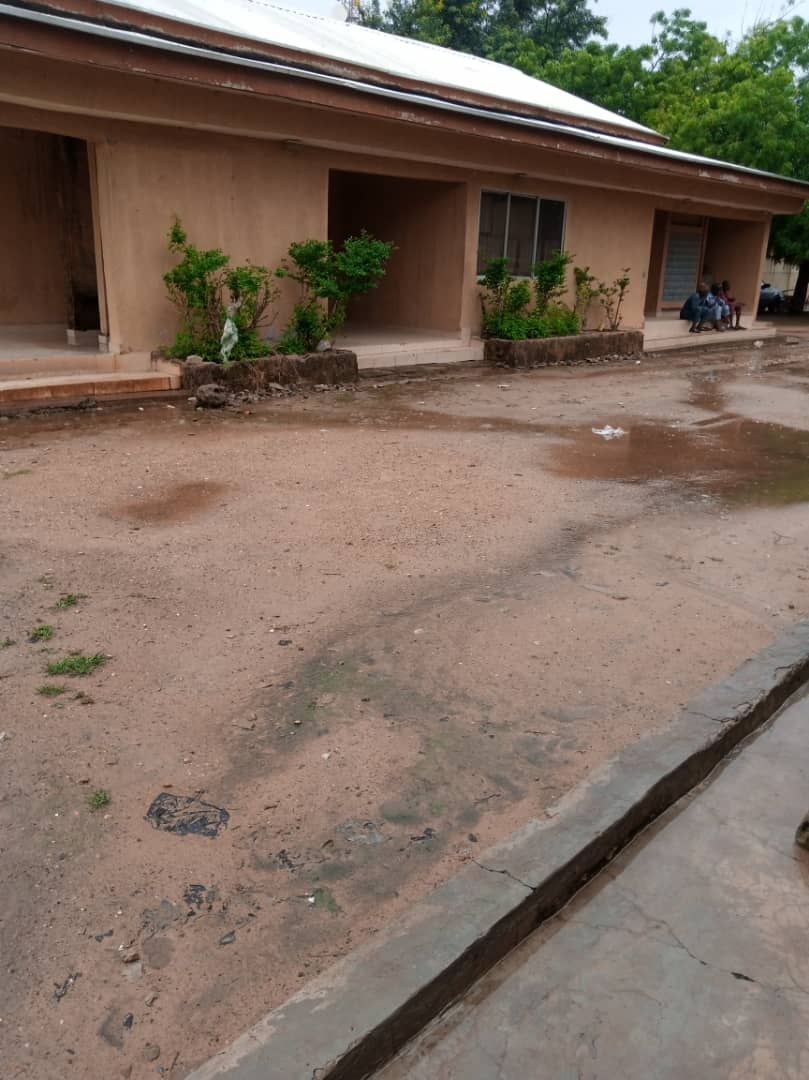
Funtua
Introduction
Funtua is a town and local government area in Katsina State, in northern Nigeria. Use this guide to get your bearings in the town and its surrounding area before you set out.
Before you go
Funtua is a city whose daily life is shaped by its Hausa and Fulani communities, so plan on Hausa being the main language you hear and use around town. English is not widely spoken with proficiency, and you should not assume you will be understood in it everywhere you go. If you want to move through markets, transport and neighbourhoods with ease, picking up some basic Hausa before you arrive will serve you well.
The city sits in Katsina State, near the boundaries of Giwa local government in Kaduna State and of Bakori, Danja, Faskari and Dandume. Knowing this helps you plan onward movement, since routes in and out of Funtua can take you toward these neighbouring areas as easily as into the city itself.
Getting there
Funtua has no airport of its own, so the usual air route is to fly into Katsina, the state capital, and continue from there by bus. Road travel is the other common option, with several bus companies running services into Katsina State from elsewhere in the country; God is Good Motors is one operator that plies the route.
- By plane: fly to Katsina, then take a bus onward to Funtua.
- By bus: several intercity operators, including God is Good Motors, serve the route into Katsina State.
- By train: a railway service operates in the town.
Getting around
Funtua is compact and almost entirely road-based, so you get around by bus, cab or bike, picking whichever suits the trip. There is no metro or tram, and no urban rail network within the town, so don't plan around one. Bikes are a flexible, low-cost choice for shorter trips, cabs are sensible when you want a direct run to a specific address without working out bus routes, and local buses are practical for longer hops across town along the main roads. The areas you're likely to move between include BCGA, Jabiri, Ungwar Wanzamai, Bokori Road, Tafoki Road, Mairuwa Road, Faskari Road, Sokoto Road, GRA, Tudun Wada, Unguwar Magaji Makera, Sabon Layi, Bagari, Low-cost Yan Wanki, Dandaji, Katsina Road and Zaria Road.
Arrange fares directly with the driver or operator, as there are no ticketing systems, travel cards or passes described for local transport, and don't count on ride-hailing apps — arrange a cab locally instead. The town's railway station sits on a branch of the national western line, so treat rail as a way in and out rather than a way of moving between neighbourhoods. If you're arriving by air, fly to Katsina first and take a bus onward to Funtua, allowing time for the road leg. Funtua has a subtropical steppe climate with year-round heat and an overcast, uncomfortable wet season, so bear the heat and seasonal rain in mind and favour walking for shorter trips rather than long cross-town journeys. Power is generally reliable for a good part of each day, which helps if you rely on a charged phone for arrangements.
Where to stay
Funtua's accommodation is practical rather than plush, with a handful of motels and guest inns serving travellers passing through town. Along Sokoto Road you'll find Makera Motels and, further along the same road, Albarka Guest Inn; Jamil Hotel sits on Katsina Road, while El-Bintu First Lady Motel is another local option. All are straightforward places to base yourself, so pick by location relative to where you're heading next rather than by amenities.Food & drink
Funtua's eating places are mostly simple eateries scattered along the main roads, so you can eat cheaply and without ceremony. Zaytoon Restaurant on Zaria-Funtua Road is a straightforward spot open from morning until late at night, Monday to Saturday. Other eateries cluster along Kabomo Road, including Buzu buzu and Muree, while Samira's Kitchen sits in Dutsen Reme and Q&A restaurant on Mai Ruwa Road. Marwat Joint, at No. 80 Sokoto Road near Gidan Mutallab, keeps daytime hours from morning to evening, Monday to Saturday.
For drinks, Mates Bar along Zaria-Funtua Road stays open from morning to midnight, Monday to Saturday, and Jay Spot further along the same road runs from morning to late evening. If you want something non-alcoholic, Fura da Nono and Soft Drinks on Katsina Road, near Aminu Musa, serves around the clock, and Zaytoon Restaurant also pours drinks during its long daily hours.
What to see and do
Funtua's defining sight is Dutsen Funtua, the rock that rises in the middle of the town and gives the place its name. It sits right in the centre, so you can reach it without leaving the built-up area, and it serves as a natural orientation point as you move around the city.
Beyond the rock, the source lists nothing further under what to see and do, so plan your time around Dutsen Funtua and keep your expectations modest rather than expecting a packed schedule of attractions.
When to go
Funtua is hot year-round, so plan your outdoor activity around the heat rather than expecting a cool escape. A short hot season runs from early March to early May, with April the hottest month and intense daytime heat; if you travel then, schedule sightseeing for the cooler edges of the day.
- Cool season (early July to early October): Daily highs are at their mildest, but this stretch coincides with the uncomfortable, overcast wet season, so expect cloudy, rainy conditions alongside the relief from the heat.
- Dry season: Skies are partly cloudy and days warm, with January the coldest month. Conditions are less overcast than in the wet months, making this a more comfortable time to be out and about.
Three days in Funtua
Day one: Start in Funtua itself, getting your bearings in a town where Hausa and Fulani are the everyday languages and English is widely understood. Wander the central streets and the neighbourhoods of Tudun Wada, Unguwar Magaji Makera, Sabon Layi and Bagari to get a feel for the place, then head for the GRA for a calmer stretch. If you want to eat like a local, look for Yan Wanki and settle in for a proper meal.
Day two: Take the roads out of town to see how Funtua sits within Katsina State. The Katsina Road, Sokoto Road, Tafoki Road, Mairuwa Road, Faskari Road and Bokori Road all lead you toward the surrounding settlements, including Bakori, Danja, Faskari, Dandume and Dandaji. Bikes are a common way to get around, and Good Motors is the name to know for longer journeys. Return to town in the evening and take a slow walk through Jabiri and Ungwar Wanzamai.
Day three: Use your last day to look beyond Funtua toward neighbouring Kaduna State, with Giwa within reach. Keep the pace easy, revisit the parts of town you liked most, and leave time for a final meal before you move on. Knowing how the roads connect Funtua to Katsina and the towns around it makes the journey out straightforward.