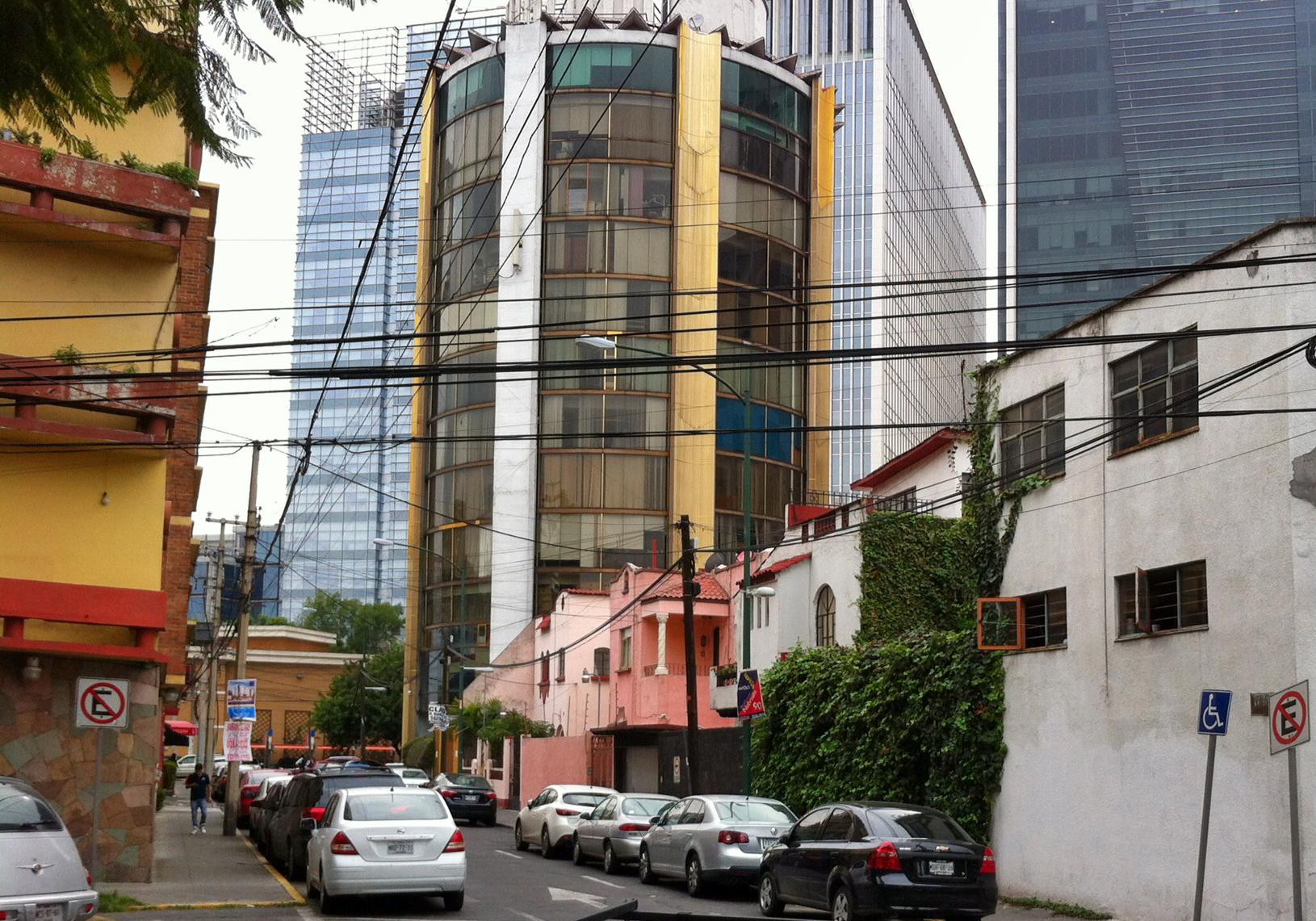
Colonia del Valle
Introduction
Colonia del Valle is a colonia within the Benito Juárez borough of Mexico City. It began as an aristocratic recreational neighborhood during the Porfiriato era, and over time it has witnessed the various transformations of the capital. Today you'll find a great number of parks, vast and tree-lined streets, prestigious shopping malls, and some of the city's landmarks.
Getting around
Colonia del Valle sits in the Benito Juárez borough, south of the historic centre and north of Coyoacán, and its central position means you can base yourself here and reach most of the city's main sights without a car. The neighbourhood is bounded by Viaducto Miguel Alemán to the north, Insurgentes Avenue to the west, and Río Mixcoac and Barranca del Muerto to the south, with Avenida Insurgentes cutting through the area. Colonia Nápoles lies just to the west and Narvarte to the east. Mexico City's transit network is extensive and inexpensive, and it is how most visitors get around: the Metro, the Metrobús rapid-transit buses, trolleybuses and conventional buses all connect with one another, and fares are low and paid per trip, so you buy a ticket or load a rechargeable fare card rather than a day pass.
The Metro is the backbone of the network and the easiest way to cover longer distances quickly. Del Valle is served by Line 3 (green), with stations at Etiopía, Eugenia, División del Norte, Zapata and Coyoacán, and by Line 12 (gold), which serves Mixcoac, Hospital 20 de Noviembre, Zapata and Parque de los Venados; Zapata is the transfer point between the two lines. The Metrobús runs along Avenida Insurgentes, which borders the neighbourhood to the west, with stops including La Piedad, Polyforum, Nápoles, Colonia Del Valle, Ciudad de los Deportes, Parque Hundido, Félix Cuevas and Río Churubusco, plus Amores at the corner of Xola on Line 2 — a convenient alternative to the Metro for travelling up and down Insurgentes. Trolleybus Line 1 runs along Eje Lázaro Cárdenas, connecting the Autobuses del Norte and Autobuses del Sur (Taxqueña) bus stations and serving Centro SCOP, which is useful if you arrive or depart by long-distance bus. Conventional buses and minibuses also crisscross the area, though their routes are less obvious to newcomers; the Metrobús and trolleybus are easier to use because stops and routes are clearly marked. Taxis and ride-hailing apps are widely available and, by the standards of many large cities, very affordable, with quick pickups and low fares to downtown thanks to the central location — often the most practical choice late at night, with shopping or luggage, or when your destination is not near a Metro or Metrobús stop. If you take a street taxi, agree on the fare or confirm the meter before setting off; ride-hailing apps avoid that negotiation entirely.
Walking works well in the quieter interior streets, which are wide and tree-lined with parks and green medians, but the Ejes viales cut through the area and can make some crossings feel more like crossing a freeway than a neighbourhood street, so use marked crossings on the major arteries. Several sights sit within easy walking distance of one another or of a transit stop: Parque Hundido on Avenida Insurgentes Sur, known for its reproductions of pre-Hispanic sculptures including a large Olmec head, reachable via Metrobús Parque Hundido or Metro Mixcoac; Parque Mariscal Sucre on Avenida División del Norte, a historic park in a former traffic roundabout with the French Kiosk fountain and its lion sculptures at its centre; and Parque de los Venados (Parque Pancho Villa), also on División del Norte, a large neighbourhood park with playgrounds, walking paths, a dog area and a deer sculpture, served by Metro Line 12. Polyforum Cultural Siqueiros, at Insurgentes Sur 701 by the World Trade Center, houses La Marcha de la Humanidad by David Alfaro Siqueiros. Capilla San Lorenzo Martír, a 16th-century church of brick and volcanic stone, is one block east of Avenida Insurgentes Sur in Parque San Lorenzo, and Parroquia del Señor del Buen Despacho sits in Parque Tlacoquemécatl. Shopping malls including Plaza Universidad, Plaza Parque Delta, Galerías Insurgentes, Pabellón del Valle and the World Trade Center are scattered through and around the neighbourhood, many close to transit stops.
From the airport, which sits east of the centre, your options are taxis, ride-hailing and public transit connections into the Metro and Metrobús network. Authorised airport taxis are the simplest door-to-door choice with luggage: buy your ticket at an official taxi counter inside the terminal rather than accepting a ride from someone approaching you, then take the assigned car. Ride-hailing apps also work at the airport, though pickup points are designated and may be a short walk from the arrivals hall. Public transit is the cheapest option — connect to the Metro and ride to stations serving Del Valle on Line 3 or Line 12, or to the Metrobús along Insurgentes — but it involves a transfer with your bags, so it suits light travellers more than those with heavy luggage.
Three days in Colonia del Valle
Day one: Start by getting your bearings in Colonia del Valle, a neighbourhood of Benito Juárez in Mexico City whose quiet, leafy streets date from the Porfiriato and remain largely residential today. Walk the main arteries, Insurgentes Avenue and Avenida Insurgentes, and use the Metro and Metrobús to move around: the Metro's Line 3 stops at Etiopía, Eugenia, División del Norte and Zapata, while the Metrobús runs along Insurgentes. Nearby you can also reach Mixcoac and Hospital. In the evening, stay local and take in the everyday rhythm of the colonia.
- Colonia del Valle
- Benito Juárez
- Mexico City
- Porfiriato
- Insurgentes Avenue
- Avenida Insurgentes
- Metro
- Metrobús
- Line 3
- Etiopía
- Eugenia
- División del Norte
- Zapata
- Mixcoac
- Hospital
Day two: Head west and south through the neighbouring colonias. Colonia Nápoles and Narvarte sit close by, and the Viaducto Miguel Alemán and Río Mixcoac cut through the area, with Barranca and Muerto among the local streets. La Piedad and the Polyforum are within reach, as is Parque Hundido, a green space in the colonia. Use the Metro and Metrobús to link these stops, and note that Del Valle and Ciudad Deportes are also part of the local map.
- Colonia Nápoles
- Narvarte
- Viaducto Miguel Alemán
- Río Mixcoac
- Barranca
- Muerto
- La Piedad
- Polyforum
- Parque Hundido
- Del Valle
- Ciudad Deportes
Day three: Branch out to Coyoacán, easily reached from the colonia, and spend the day wandering its streets before returning. Back in the neighbourhood, revisit the stretches around Parque Venados and Noviembre, and use the Metro and Metrobús for a final loop through Etiopía, Eugenia, División del Norte and Zapata. End with a slow evening along Avenida Insurgentes, taking in the mix of residential calm and city life that defines Colonia del Valle.
- Coyoacán
- Parque Venados
- Noviembre
- Metro
- Metrobús
- Etiopía
- Eugenia
- División del Norte
- Zapata
- Avenida Insurgentes
- Colonia del Valle