Colima
Introduction
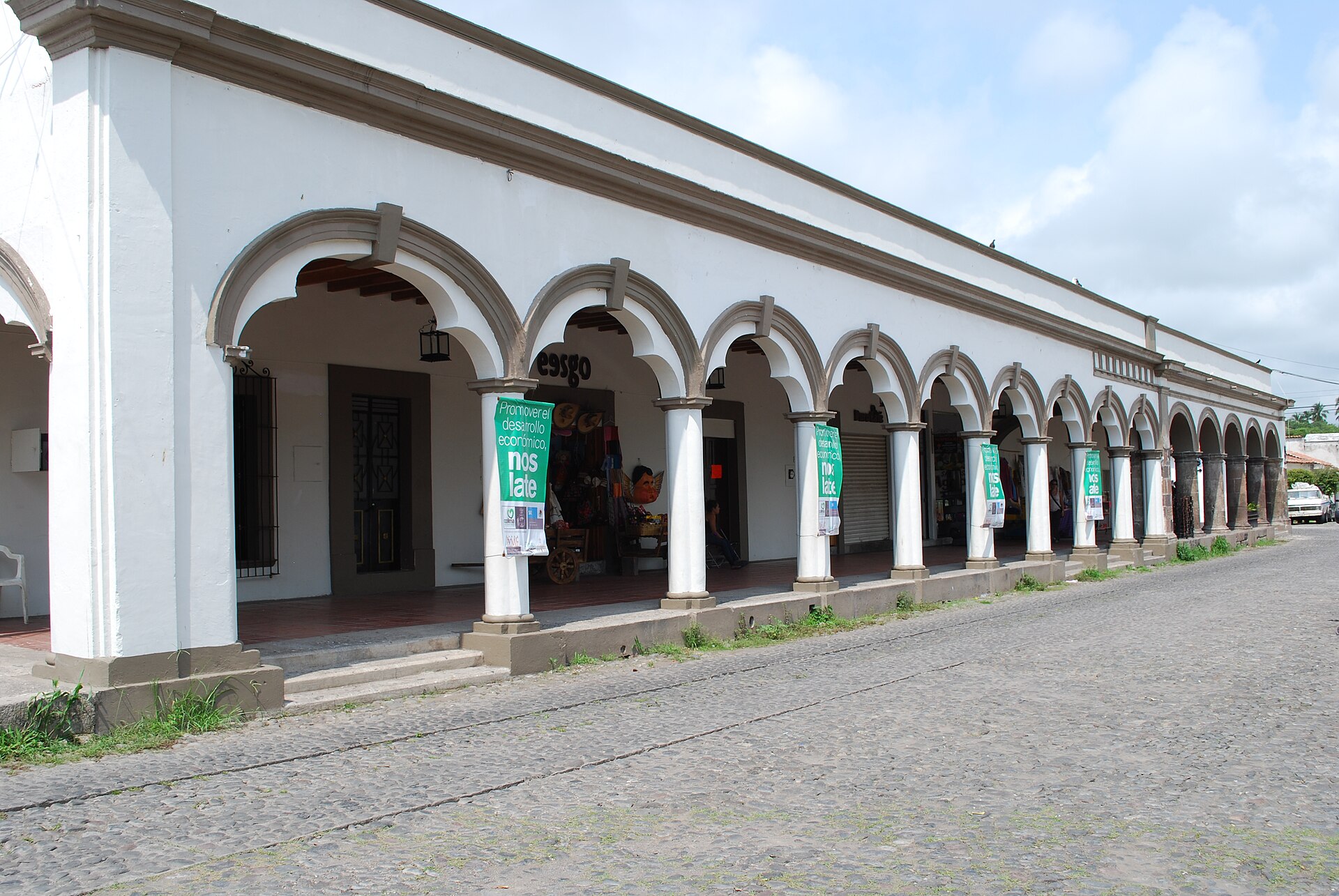
Colima is the capital of the Mexican state of the same name, set in the west-central part of the country and also serving as the seat of its municipality. The city anchors a metropolitan area that includes Villa de Álvarez and other municipalities, and it sits near the Colima volcano, which marks the divide between Colima and Jalisco.
Before you go
Colima has a tropical savanna climate, so plan your wardrobe around consistently high temperatures. The year splits sharply: November through May is extremely dry, while June through October brings heavy rainfall. The city can also be affected by hurricanes during the wet season, which may bring lengthy periods of heavy rain, so check conditions before you travel if your trip falls in those months.
The city rewards travellers interested in living culture — its folklore, customs, gastronomy and traditions span five visible centuries, and it was named American Capital of Culture in 2014. Founded in 1523, it is one of the oldest cities in Mexico, and you can take in a traditional Spanish bullfight at its bullring. Knowing this in advance helps you plan around the cultural calendar and the seasonal weather alike.
Getting there
Colima is well connected by road. If you're driving, a four-lane toll highway (Highway 54D) links the city with Guadalajara. By bus, you'll arrive at one of three terminals, and which one you use depends on where you're coming from. First-class and executive-class buses from major cities throughout Mexico use Central de Autobuses Colima, the main station, which runs around the clock. Local and regional routes within the state use Terminal Nuevo Horizonte, where mostly second-class buses stop frequently along the way; these are used by locals and aren't generally recommended for visitors. A third terminal, Central de los Rojos (also known as El Manchón), handles local peseros only, including those going to Comala, though you'll be safer taking a taxi or Uber for the short ride into town.
By plane, Colima Airport sits north of the city, outside the urban area, with service from Tijuana on Volaris; your only option for reaching downtown from there is a taxi. You could also fly into Guadalajara, where there are more flight options, and take a bus from there to Colima's bus station, then a cab onward to the downtown.
Getting around
Colima has no rail, metro or tram system, so you get around by road or on foot. A complete network of buses covers the city, but there is no map of the lines: you wave down the first bus that passes and ask the driver how to reach your destination. For the small towns around Colima, head to Terminal Nuevo Horizonte, which handles local and regional routes on second-class buses that stop frequently; these are used by locals and are not generally recommended for visitors. Long-distance first-class and executive buses use a different station, Central de Autobuses Colima, and a cab from there into the downtown costs a few dollars. Avoid Central de los Rojos (El Manchón), a rundown terminal for local peseros including those to Comala — take a taxi or Uber for that short ride instead.
Taxis are common in the city, but prices tend to go up at the sight of a foreigner, so agree on a fare before you set off. Uber is mentioned as a safer alternative for short trips. The central districts are compact enough to cover on foot for day-to-day sightseeing, with buses and taxis as practical fallbacks beyond the immediate centre. If you fly into Colima Airport north of the city, a taxi is the only way into town; an alternative is flying into Guadalajara, which has more flight options, then taking a bus of about three hours to the Colima bus station. If you're driving yourself, a four-lane toll highway (54D) links Colima with Guadalajara.
Where to stay
Most of the places to stay cluster in or near Centro, where you can walk to the plaza and surrounding shops and restaurants. In the downtown core, the Hacienda del Gobernador occupies an 18th-century governor's house restored as a small boutique hotel with rustic period decor, spacious rooms with cold air conditioning, a tranquil courtyard garden, an excellent restaurant and a large, varied wine cellar. The Hotel Concierge Plaza Colima sits across from a plaza and next to government offices, with spacious, clean rooms, an on-site restaurant and full bar, and off-street parking in a lot behind the hotel. Also in Centro, the Hotel Aldama de Colima is a traditional Mexican hotel with a plain exterior and rooms around an attractive central courtyard; rooms are spacious with basic furnishings, service is friendly, and a basic breakfast is available, though some guests report reservations not being honored. Near Jardín Núñez, La Casona de Don Jorge offers colonial-style rooms around a courtyard with seating and mature shade trees; rooms are spacious, very clean and air-conditioned, if a bit dated in furnishings, with friendly service, good WiFi and a café serving a good breakfast.
- Hacienda del Gobernador — boutique rooms in a restored colonial house, courtyard garden, restaurant and wine cellar
- Hotel Concierge Plaza Colima — central location, restaurant and bar, off-street parking
- Hotel Aldama de Colima — courtyard rooms, basic breakfast, friendly service
- La Casona de Don Jorge — quiet colonial courtyard setting near Jardín Núñez, café breakfast
- Hotel San Cristobal — basic budget rooms, clean but dated, shared or private bathroom
- Hotel Maria Isabel — modern hotel in Jardines Vista Hermosa III with a large pool complex and buffet breakfast, best suited to families
Food & drink
Colima's restaurants serve a regional repertoire you should seek out: white pozole and white menudo, birria, sopes, tatamado and pipián mole, with atole with milk to drink. For a concentrated taste of the local flavour, order the plato colimot at El Charco de la Higuera in the Centro, a traditional Mexican kitchen with a few regional dishes that also displays a collection of wood carvings and pottery. Breakfast and brunch are taken seriously: Colimita Sabe in Jardines Vista Hermosa III is a small grab-and-go spot for egg dishes, chilaquiles, hot cakes and fresh fruit, while Cafe La Buena Vida nearby serves chilaquiles, huevos con machacado, french toast, coffee and fruit smoothies. Los Naranjos Campestre in Lomas de Circunvalación offers a morning buffet with pan dulce made in house and live jazz on Wednesday evenings, though vegetarians will find few options.
On the Plaza Principal you can order big pints of micheladas, beer mixed with spices, lemon and salt. Street stands sell bate, a thick, somewhat grey drink made from toasted chan or chía seed with honey or piloncillo, and tuba, made from the flower of a palm tree with bits of apple, cucumber and peanut added. For craft beer, head to Dos Puntos Cerveceria in the Centro, which pours around six artisanal beers on tap, from light beers and IPAs to more balanced dark styles, plus fruity flavoured waters, hard seltzer and cocktails with a local twist such as mezcalindo and tubazcal, all on a rooftop terrace with views. Terraza Trapiche, also in the Centro, is a rooftop bar above the Best Western serving beers from Cerveceria de Colima alongside mixed drinks and inventive food. The city's two regional microbreweries are widely available: Cerveceria de Colima's flagship is the light pilsner Colimita, easy drinking before a trip to the beach, with darker seasonal lagers such as Cabanitas, a dunkles bock, plus a Vienna style and a porter called Ticus; Cerveceria de la Costa brews ales and lagers, with its most interesting beers the lagers Colima 500 and Lunada.
What to see and do
Start in the Centro, where the city's life gathers in its plazas. Jardín Libertad is the historic heart, filled with music and ringed by bars and restaurants, with a Belgian kiosk at its centre under palms and leafy trees; it's a good spot to sit and people-watch, and live music often plays at weekends. Nearby, Jardín Núñez is larger and livelier, with manicured gardens, wide paved paths, fountains and monuments, plenty of benches, and food and drink vendors that multiply at weekends when families come out. Jardín Hidalgo holds an exact equatorial sundial designed by Julio Mendoza, with explanations in several languages. Further out, Parque la Piedra Lisa is known for a huge slab of volcanic rock that people slide down; it has playgrounds, though much of the equipment is in poor repair, so inspect it before letting children play. The park also has a memorial to "disappeared" people, covered with posters seeking information about lost loved ones.
Among the landmarks, the Palacio del Gobierno is a French Neoclassical building with three facades, a bell replicating the one Miguel Hidalgo rang in Dolores Hidalgo, a clock brought from Germany, and fresco murals by Jorge Chávez Carrillo on its main staircase. The Regional History Museum of Colima, at the Plaza Principal, displays archaeological pieces and a replica of a shaft tomb, recreating burials with belongings and Mexican hairless dogs, while its upper floor traces the state's history from the Conquest to the Mexican Revolution. The Catedral Basílica, established in 1525 and renovated repeatedly after earthquake damage, is Neoclassical with two front towers and a dome. The Templo de San Felipe de Jesús, a small colonial church with a long single nave and high bell tower where Father Miguel Hidalgo once served as parish priest, holds small oil paintings and sculptures of saints. For art and craft, the Pinacoteca Universitaria Alfonso Michel is devoted to the Colima artist and hosts local exhibitions, with a small outdoor café in its courtyard, and the Museo Universitario de Artes Populares María Teresa Pomar covers regional handicrafts, folk art, festival costumes, masks, toys and pottery. Outside the city, the archaeological sites of La Campana, named for its bell-shaped mound, and El Chanal, with its ballcourt and plazas, reward a longer excursion. For recreation, Parque Regional Griselda Álvarez has a zoo, a lake with pedal boats, a zipline, picnic areas and walking trails, and in Villa de Álvarez the handcrafted bullring La Petatera is built entirely of poles, logs, wood, rope and woven mats, taken down each year and rebuilt for the Feria de Villa de Álvarez in early February, with bullfights, charrería and nightly banda concerts.
When to go
Colima has a tropical savanna climate, so temperatures stay consistently high year-round. The year splits into two sharply different seasons. From November to May the city is extremely dry, with little rain and parched landscapes; expect hot days if you visit then.
From June to October heavy rainfall sets in while the heat holds. This is also when hurricanes can sometimes affect the city, bringing lengthy periods of heavy rain. Plan around the wet season if you want to avoid the worst of it.
Three days in Colima
Day one: Start in the Centro of Colima, where the city's Spanish-founded history is visible in its streets and squares. Spend the afternoon getting oriented and sampling Mexican food in the central area. In the evening, head to Comala, the nearby town that gives the region its name, for a slower pace and a meal.
- Centro, Colima
- Comala
Day two: Use the city as your base for a day of local movement. Autobuses Colima and the Terminal Nuevo Horizonte connect you to surrounding areas, while Rojos and local taxis cover shorter hops. If you want to avoid Central taxis, arrange transport in advance. Return to Colima for dinner.
- Autobuses Colima
- Terminal Nuevo Horizonte
- Rojos
Day three: Take a longer outing toward El Manchón, then loop back through Villa de Álvarez and the Hacienda area on your way into Colima. If you are flying out, Colima Airport is served by Volaris, with connections such as Tijuana; the Guadalajara highway is the other main route out. The climate is warm much of the year, with a wetter season from June to October and a drier stretch from November to May.
- El Manchón
- Villa de Álvarez
- Hacienda
- Colima Airport
- Guadalajara highway