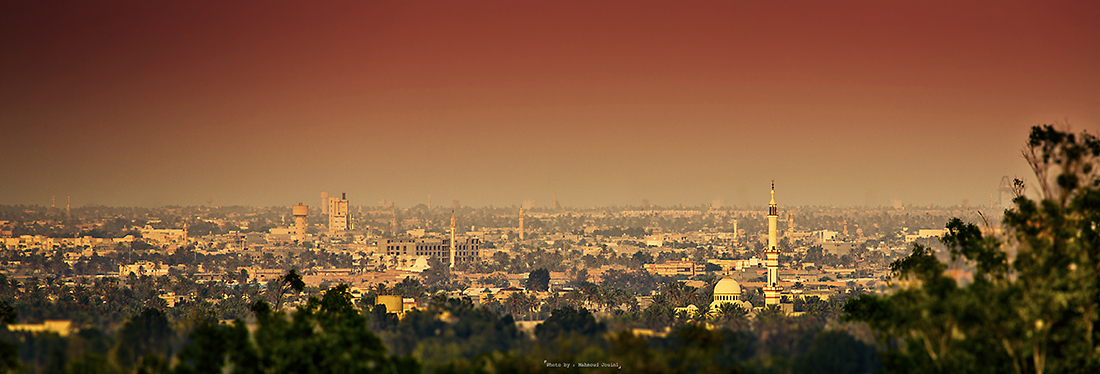
Misratah
Introduction
Misrata sits on the Mediterranean coast in northwestern Libya, roughly 187 km east of Tripoli near Cape Misrata, and serves as the capital of the Misrata District. Often described as the country's economic and trade capital, it is one of Libya's major cities, and its harbour lies at Qasr Ahmad.
Before you go
Misrata sits on the Mediterranean coast at the edge of the Sahara, a position that made it a trading hub for Phoenicians, Ottomans and everyone in between. The city has two distinct faces: the older quarter, with its small stone houses and narrow arched streets, and the newer city that grew through the 20th century into modern buildings, homes and industrial areas. Beyond the streets, the land to the south gives way to golden sands dotted with palm and olive trees. The city is also the main centre of Libya's Turkish-origin community, which shapes part of its character.
Misrata is often considered one of the safest cities in Libya, which makes it a relatively comfortable base for exploring the country's coast. Bear in mind that this is a place where old and new sit side by side rather than blend, so plan your time to see both the historic core and the modern districts.
Getting there
To enter Libya you need a valid passport, and you should check whether a visa is required for your nationality; details of entry requirements and Libyan immigration formalities are covered in the Libya article. Once that is in order, Misrata is reached most easily by air.
- By plane: Misrata Airport (MRA) is served by Afriqiyah Airways from Istanbul, Jeddah, Sfax and Tunis, and by Libyan Airlines from Tunis.
- By ferry: The Kevalay Queen runs between Misrata and Istanbul, with sailings roughly once a week; it docks at the Port of Misrata.
Getting around
Getting around Misratah is entirely road-based: there is no rail, metro or tram network, and no documented city bus system you can rely on for sightseeing or daily errands. Don't build an itinerary around catching public transport. Instead, plan on taxis or a private car for anything beyond a short walk, and agree the fare or arrangement before you set off. If you don't speak Arabic, ask your accommodation to help you book a car.
Walking works well for nearby errands, meals and short local trips in the part of the city where you're staying, but treat it as a supplement to vehicle transport rather than your main way of getting around. Misrata Airport (MRA) is the main practical entry point for visitors arriving by air, served by Afriqiyah Airways and Libyan Airlines; for the airport-to-city leg your realistic options are a taxi or a pre-arranged private transfer, so ask your accommodation about a pickup and confirm the arrangement with your driver before leaving the airport. If you arrive by sea, the Kevalay Queen ferry links the port with Istanbul roughly once a week, and you'll still need road transport to reach the city itself.
Where to stay
Accommodation in Misratah is limited, and the source material offers no detail on specific hotels, neighbourhoods or booking options. Plan your stay before you arrive rather than expecting to arrange it on the ground.
Food & drink
The source material for Misratah contains no information on where or what to eat, so there is nothing to describe here.What to see and do
Misrata's sightseeing is modest and centred on its religious architecture; the Raidat Mosque is the principal landmark to seek out. Beyond that, the city's cultural life is best sampled at the Misrata National Theater, where you can catch a performance during your stay.
Three days in Misratah
Day one: Start in Misrata itself, getting your bearings in the city before heading out along the Mediterranean coast. Make your way to Cape Misrata, where the shore meets the water and the scale of the coastline becomes clear. In the evening, return to the city and take a walk through the streets, listening for the Arabic you will hear around you.
- Misrata
- Mediterranean
- Cape Misrata
Day two: Head for Qasr Ahmad, the port area of Misrata District, where the Kevalay Queen operates and the harbour gives a sense of the city's maritime life. Spend time around the port watching the activity, then return to the city centre to see Raidat Mosque. The history here runs deep, from the Phoenicians through to the Ottomans and the Turkish period, and the mosque is a good place to pause and take it in.
- Qasr Ahmad
- Kevalay Queen
- Port
- Raidat Mosque
- Phoenicians
- Ottomans
- Turkish
Day three: Use your last day to plan your onward travel. Misrata Airport (MRA) connects with Istanbul, Jeddah, Sfax and Tunis through carriers such as Afriqiyah Airways and Libyan Airlines, so check your options before you leave. If you have time before your flight, take one more walk along the Mediterranean and enjoy the warm, dry weather that the Sahara brings to this part of Libya.
- Misrata Airport
- MRA
- Istanbul
- Jeddah
- Sfax
- Tunis
- Afriqiyah Airways
- Libyan Airlines
- Sahara
- Libya