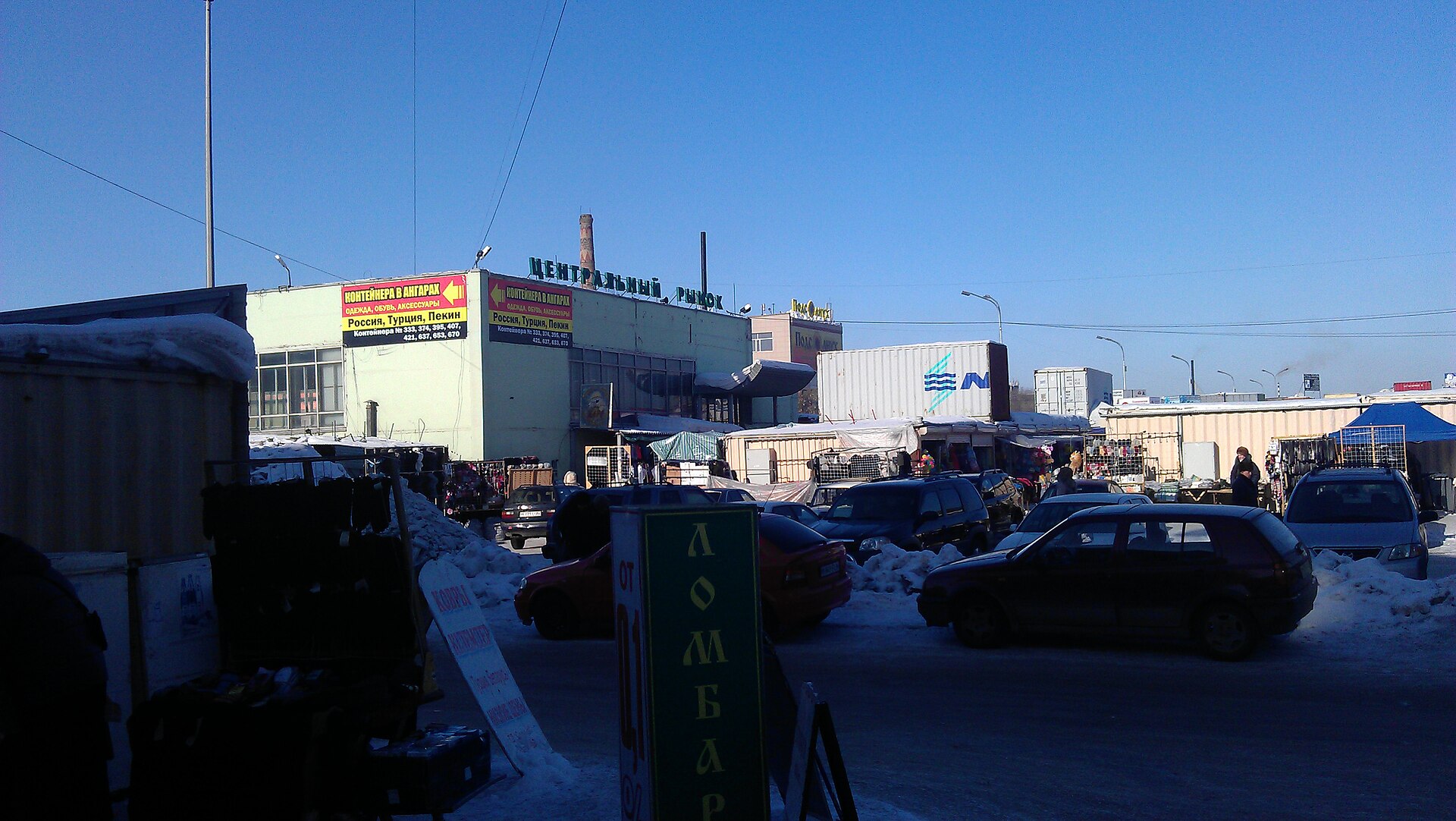
Karagandy
Introduction
Karaganda, also spelled Karagandy, is a major city in central Kazakhstan and the capital of the Karaganda Region. It sits roughly 230 kilometres southeast of Astana, the national capital, placing it within reach of the country's political centre while remaining firmly part of the central steppe.
As one of Kazakhstan's larger cities, Karaganda is an urban destination rather than a stopover, with the scale and institutions you would expect of a regional capital. Its position in the centre of the country makes it a natural base for understanding this part of Kazakhstan.
Getting around
Karagandy is a sprawling industrial city built for moving large numbers of people rather than for strolling between sights, so you will usually pair a walk with a ride. Public buses cover a wide area and are cheap, but they rarely run exactly on time and get crowded at peak hours; minibuses run along many of the same corridors and are a flexible option for shorter hops. Trams and trolleybuses make up the electric part of the network on fixed routes. Pay on board in cash to the driver or conductor, so keep small notes and coins handy, and ask at your hotel or a kiosk about multi-ride or day passes, since ticket types and prices change and are best confirmed locally. Intercity buses link Karagandy with other cities and are faster than the train over the same route, though less comfortable.
For longer journeys, Karagandy's station connects you to the national rail network, which reaches almost every region of the country and is one of the most scenic ways to travel across Kazakhstan; trains are slower than intercity buses on a given route but more comfortable, and you should book ahead in peak seasons. Taxis work differently from what you may expect: rather than flagging one down, book by phone in advance, agree the fare before you set off since there are no meters or set rates, and carry exact cash because drivers typically do not give change. Ride-hailing apps remove the negotiation and language barrier with a fixed price up front. Walking is pleasant in the central districts, where shops, cafés and civic buildings sit within a reasonable stroll, but between districts distances are long and the streetscape is geared to vehicles. In winter, expect very cold conditions and snow, and plan to use vehicles rather than walking long distances. From the airport on the edge of the city, take a taxi or ride-hailing car, or a local bus, which is cheap but crowded and not always punctual.
When to go
Karaganda has a continental climate, which means warm summers and very cold winters, with precipitation that stays moderately low across the year. If you visit in winter, expect a frozen landscape and frequent but light snow, and pack heavy winter clothing to cope with the bitter cold. Summer is warm, with the warmest conditions of the year, and this is also when rain is most likely: precipitation peaks slightly from May to July, so early summer is the wettest stretch. Outside that window, rainfall remains modest, making the warmer months the more comfortable time to be outdoors.Three days in Karagandy
Day one: Start in Karagandy itself, getting your bearings on foot through the central streets before the heat builds. Summer afternoons here are warm and dry, so plan your walking for the morning and the evening. Public transport is easy to pick up when your legs tire, and trams run through the city as a simple way to cover ground. Pay as you board, and use the ride to watch how the centre gives way to quieter residential districts.
Day two: Head out into Karaganda Region, where the landscape opens up and the weather feels more exposed than in town. May and July can both surprise you, so carry a layer even when the morning starts mild. Intercity connections make it possible to reach smaller settlements without a car, though timings reward a little patience. If you would rather keep things flexible, taxis can fill the gaps, and a ride out of the city quickly puts the steppe in view.
Day three: Return to Karagandy and slow down. Astana is a long haul from here, so treat this as a day for the city rather than a dash elsewhere. Outside the main routes, walking remains the best way to notice the details of the streets and the way people use them. As evening comes and the air cools, find a bench or a square and let the day wind down before you move on.