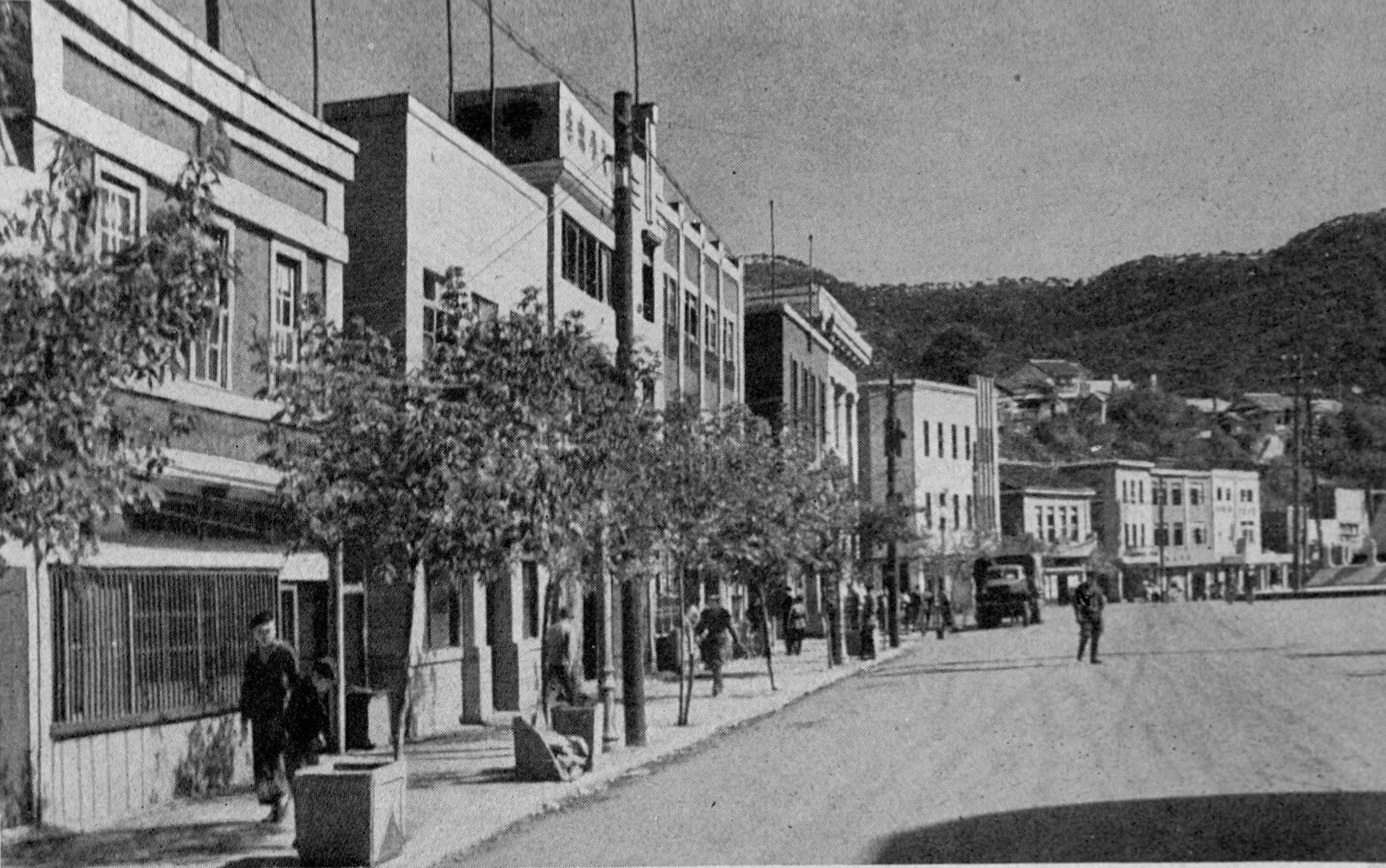
Chongjin
Introduction
Chongjin is the capital of North Korea's North Hamgyong Province and a major port city on the country's northeastern coast. Once a small fishing village, it grew into an industrial centre during the period of Japanese rule and continued to industrialize afterward under the North Korean government.
Before you go
Chongjin is North Korea's third largest city, known as the "city of iron" because of its role as a major centre of heavy industry. Go expecting an industrial city rather than a leisure destination, and plan your visit around that character.
Getting there
Chongjin does not feature on most accompanied group itineraries in North Korea, so reaching it generally means arranging a customised tour rather than joining a standard package. By train, the city sits on the line linking Rason with the capital, Pyongyang, and with the southern city of Wonsan. By plane, Orang Airport (RGO) lies about 40 km from the city, with Air Koryo flights to Haeju, Pyongyang and Wonsan; there are plans to extend the airport and turn it into the country's second international airport.Getting around
Getting around Chongjin is not something you arrange yourself. Foreign visitors travel with an assigned guide, and practical transport arrangements are typically made for you rather than by you. As a general rule, expect to get around by organised tour coach or government-arranged private car, with bookings, timings and costs handled by your tour operator. Independent public transport information is largely unavailable to foreigners, so treat your guide or hotel as the source of truth for anything transport-related.
- Trams and trolleybuses: Chongjin has a tram network and a trolleybus network that is slightly more extensive than the tram lines. Both are local, resident-facing systems; routes, schedules and fares are not published for tourists and signage may be in Korean only, so you typically ride only with a guide or as part of guided arrangements.
- Buses and coaches: Municipal buses serve central districts and industrial areas, and intercity coach services link provincial centres on state schedules. Fares are not readily available to independent visitors, and coach travel is typically arranged by guides or hotel staff rather than booked directly.
- Taxis: Taxis operate and are usually state-run, but fares and availability are unpredictable for foreigners. Rather than hailing one on the street, arrange a taxi via your hotel or guide. There is no indication of any ride-hailing service.
- Walking: Walking is the easiest way to explore the central districts and markets, and many sights are compact and walkable. Districts such as Songpyong and Namch'on are noted for their shops and markets, and the city also offers waterfront walks and small local parks. Independent exploration of sensitive sites is restricted, so stick to guide-cleared routes, and photography of factories, ports and rail yards is prohibited.
- Bicycles: Bicycles are used locally, but rental options for visitors are limited and information is scarce — check with your guide or hotel first.
For excursions beyond the city, the Chilbo Mountains offer granite peaks and coastal cliffs. Bring cash, as transactions are cash-based, English is limited, and power can be intermittent.
Where to stay
Chongjin has very limited accommodation options for visitors, and the Chonmasan Hotel is the main choice available. It is approved for foreign guests, so it is the practical place to base yourself if you are travelling in the city.
Food & drink
Chongjin offers little in the way of dining information, so plan your meals as part of an organised visit rather than expecting to browse and choose freely. As elsewhere in North Korea, your food will generally be arranged through your guide or hotel.
- Do not drink the local water — it is known to be untreated.
- Choose bottled water instead; it is the best option.
- Take the risk seriously: some tourists have been hospitalized in North Korea after drinking the public water.
What to see and do
In Chongjin, the sights cluster around Pohanng Square, where you can see a large bronze statue standing over the square. The Revolutionary History Museum is also located here, so you can pair the two in a single stop. Elsewhere in the city, the North Hamgyong Province Theatre offers a look at the local performance scene, and the Inmin Daehakseup Dang (Grand People's Study House) is another of the city's named landmarks worth seeking out. The source lists no specific activities for Chongjin, so plan your time around these four sites rather than expecting a set itinerary of things to do.When to go
Chongjin has a humid continental climate, which splits your visit into two very different seasons. Winter is cold and dry, so you should bundle up against the chill and expect little precipitation — snow and ice are part of the picture rather than heavy rain.
- Winter: Cold and dry, with snow and ice rather than rain. Pack for serious cold.
- Summer: Warm and rainy, with the wettest conditions of the year concentrated in this stretch. Plan for frequent rain and humid, warm days.
Three days in Chongjin
Day one: Arrive in Chongjin, the capital of North Hamgyong Province, by air via Orang Airport or overland from Rason. Once you have cleared arrival formalities, get your bearings in the city centre. Chongjin is a major industrial city on North Korea's east coast, and its districts each have a distinct character: Songpyong is the administrative and commercial heart, while Namchongjin spreads along the waterfront. Use the municipal buses and trams to move between them, or take a taxi if you prefer door-to-door travel. Fares are cheap, but services can be crowded and schedules are not always reliable, so allow extra time. In the evening, walk along the main streets and watch daily life unfold.
Day two: Devote the morning to exploring Chongjin's central districts on foot. Walking is the best way to see the city's Soviet-era apartment blocks, monuments and markets, and it lets you cover ground that buses and trams miss. Bicycles are also a common way to get around if you can arrange one. In the afternoon, visit the Chilbo Mountains, a scenic area within reach of the city, for hiking and views over the surrounding countryside. Independent travel is not permitted in North Korea, so you will be accompanied by a guide throughout your stay. Bring cash in foreign currency, as international cards are not accepted.
Day three: Take a final morning to revisit the parts of Chongjin you liked best, whether that is the waterfront in Namchongjin or the busy streets of Songpyong. If your schedule allows, consider a longer excursion to Pyongyang, Wonsan or Haeju, though these require onward travel arrangements. Before departure, confirm your transport back to Orang Airport or onward to Rason. English is not widely spoken, so a few Korean phrases and a translation app will help. The Chonmasan Hotel is a common base for visitors, and staff there can assist with logistics. Do not attempt to leave the city independently; all movement outside Chongjin must be arranged in advance.