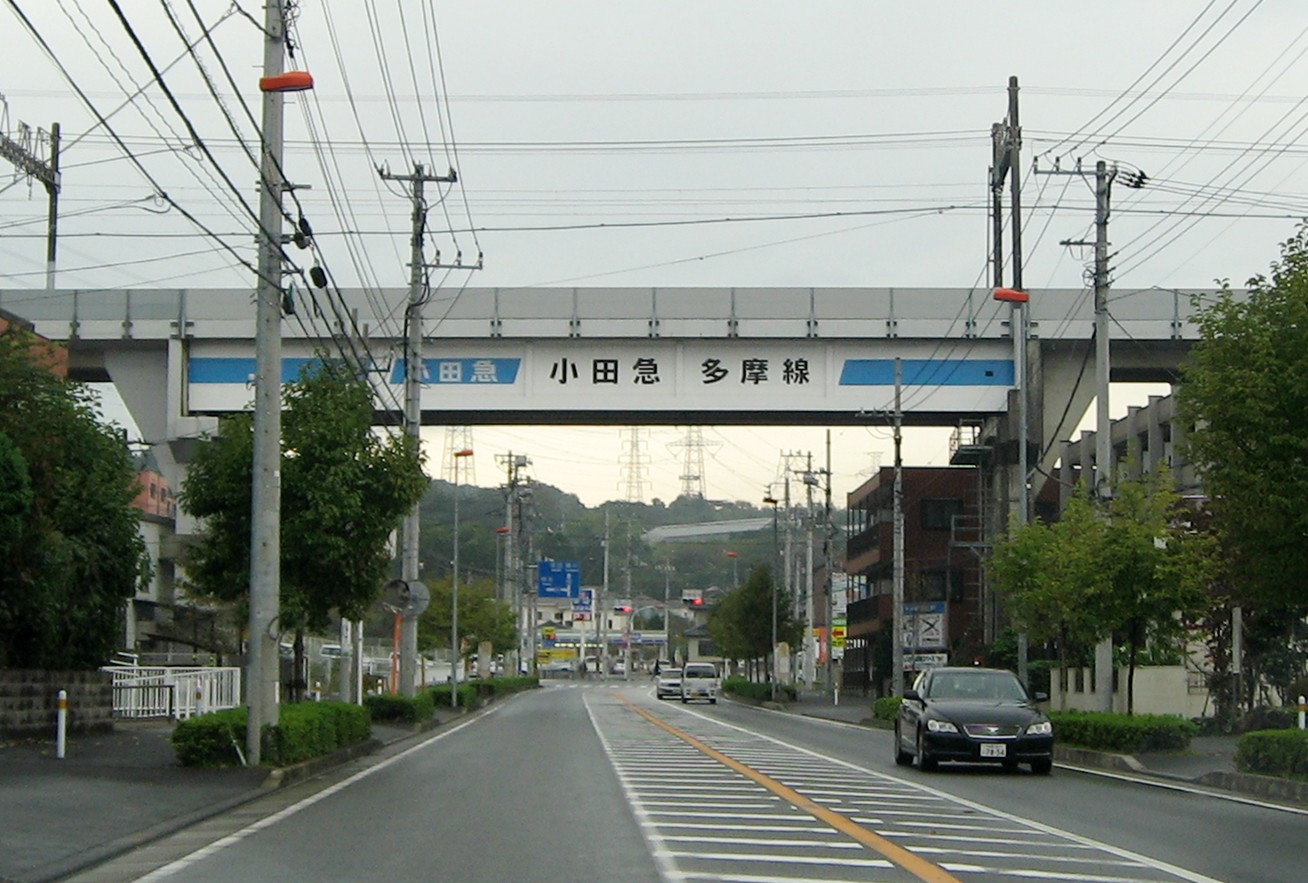
Tama
Introduction
Tama sits in the western part of the Tokyo Metropolis, a compact city of roughly twenty-one square kilometres. It is a residential corner of the metropolis rather than a sightseeing hub, so come expecting everyday suburban Tokyo rather than major attractions.
Before you go
Tama spreads out over a wide area, but the part that feels like a city centre is Tama Center, where the city's three train and monorail lines come together. Plan your movements around that hub, since it is where the lines converge and the most convenient base for getting around the rest of Tama.
Before you set out, check the city's official information pages in English on Guidoor for practical details to help you prepare.
Getting there
Two private railways run to Tama from Shinjuku Station, and either will get you there in roughly 40 minutes. On the Keio line, board a Rapid or Express train bound for Hashimoto and alight at Keio Tama Center; these depart frequently through most of the day, alternating between the main Keio platforms and the adjacent Toei Shinjuku Line platforms (Toei trains join the Keio line at Sasazuka). On the Odakyu line, the stop is Odakyu Tama Center, but you'll need to change to a Tama Line train at Shin-Yurigaoka.
The Tama Toshi Monorail is less useful from central Tokyo; it links up with the JR Chuo Line at Tachikawa, so it mainly serves travellers approaching from that direction rather than from Shinjuku.
Getting around
Tama sits in the western part of Tokyo Prefecture, and the most practical way in from central Tokyo is by private railway from Shinjuku Station. Both Keio and Odakyu run services from Shinjuku that reach Tama in roughly forty minutes. On the Keio Line, take a Rapid (kaisoku) or Express (kyūkō) train bound for Hashimoto and get off at Keio Tama Center; these trains generally leave Shinjuku about every ten minutes through most of the day, alternating between the main Keio platforms and the adjacent Toei Shinjuku Line platforms, with Toei Shinjuku Line trains merging with the Keio Line at Sasazuka. On the Odakyu Line, the stop is Odakyu Tama Center, and you'll need to change to a Tama Line train at Shin-Yurigaoka. The Tama Toshi Monorail is less useful from central Tokyo but connects to the JR Chuo Line at Tachikawa, which can be handy depending on where you're starting from.
Tama is a suburban area rather than a dense city core, so getting around generally means using the rail and monorail network to hop between centres, then walking the last stretch. The two Tama Center stations — Keio Tama Center and Odakyu Tama Center — sit close together and serve as the main gateway to the area, so many trips begin and end there; the surrounding area is compact enough to explore on foot. The Keio and Odakyu lines are your main links both into Tokyo and between local stops, and both converge on Tama Center, making it the natural hub for onward travel. The Tama Toshi Monorail gives you another way to reach the city's rail network via Tachikawa. Local buses fill in the gaps between stations and residential districts, though specific routes aren't detailed here, so check locally on arrival. Taxis are available and best treated as a fallback for short trips or late nights. Buy a ticket at the machine or use a rechargeable IC card, which works across the rail and monorail networks and saves you buying a ticket for every leg.
Where to stay
Plan your stay around that higher-end choice rather than expecting a spread of cheap rooms.
Food & drink
Tama's eating options lean heavily toward fast food and chain restaurants, so you'll find familiar names rather than a distinctive local dining scene. Among them are Wendy's and Saizeriya, each with more than one branch in the city, which makes them easy go-to choices if you want something quick and predictable. The source gives no further detail on drinking, so plan on sorting out your own evening options once you arrive.What to see and do
If you're travelling with children, or simply want a break from central Tokyo, the area around Tama Center rewards a day out. Tama Zoological Park in Hino is run by the Tokyo municipal government like its better-known counterpart in Ueno, but the conditions here seem more humane, and many visitors find it the less depressing of the two. Directly across the street from the zoo entrance is a small train museum, Keio Rail Land, which includes a very large model train set. Back at Tama Center itself, the central commercial area for the Tama New Town districts is a major shopping zone rather than a single mall, and if you've come this far it's worth doing your shopping here instead of making a special trip to Shinjuku or Ginza. Musicians, jugglers and other performers often play at the station, and the malls are illuminated for Christmas from November to the New Year; there is also an Aeon Cinema in Cocolia Tama Center.
For green space, Tama Chuo Koen is a park with a lot of nature and a pretty big pond, and it's nice to see people reading books, talking and sitting on the grass. Sanrio Puroland, a theme park dedicated to Hello Kitty and her cute clones, is about five minutes' walk from Tama Center station. Gokurakuyu is a large public hot spring. For local events, the radio station FM-Tama carries information.
Three days in Tama
Day one: Base yourself in Tama Center, the natural hub for a stay in Tama, and get your bearings in the surrounding streets. Before you travel, plan your route from central Tokyo: from Shinjuku Station you can take the Keio Line, where the Rapid Express runs through to Hashimoto and stops at Keio Tama Center, or the Toei Shinjuku Line, which also serves the area via Sasazuka. From the Odakyu side, the Odakyu Tama Line connects Shin-Yurigaoka with Odakyu Tama Center. Buy an IC card early so you can move between operators without fuss, and settle into your lodging in the evening.
- Arrive via Keio Tama Center or Odakyu Tama Center
- Use an IC card across the Keio, Odakyu and Toei networks
Day two: Use the Tama Toshi Monorail to explore the length of the city, linking Tama Center with the surrounding districts. If you are coming from the north, the JR Chuo Line reaches Tachikawa, which connects onward to the monorail. English signage and the Guidoor app can help you plan as you go, and taxis are available for shorter hops. Return to Tama Center in the evening for dinner near your lodging.
- Ride the Tama Toshi Monorail between districts
- Connect via the JR Chuo Line at Tachikawa
Day three: Take a slower morning and use the local trains to revisit any part of Tama you liked best, whether along the Keio Line or the Odakyu Line. Both Keio and Odakyu services make it easy to reach Tama Center, and the monorail ties the area together. Check your route back to Shinjuku or Tokyo Metropolis before you leave, allowing time for the Rapid Express or the Toei Shinjuku Line, and pick up any last supplies before your journey.
- Revisit favourite spots by local train
- Return to Shinjuku via the Keio or Toei Shinjuku Line