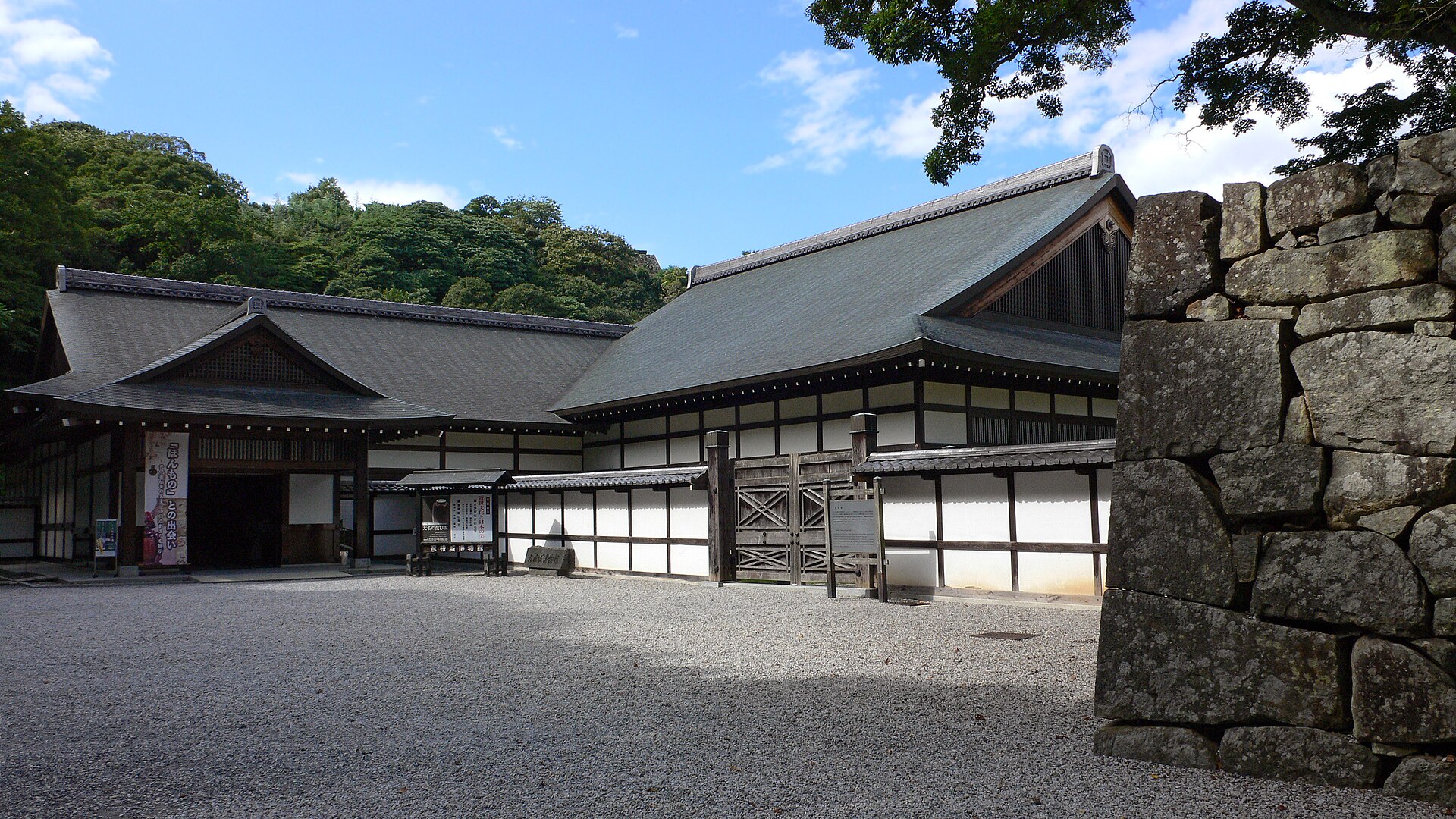
Hikone
Introduction
Hikone is a city in Shiga Prefecture, Japan, and the seat of local government for the surrounding area. The city spreads across roughly 197 square kilometres and is home to a substantial population living in tens of thousands of households, giving it the feel of a small regional centre rather than a major metropolis.
Beyond these basic facts, check back for more detailed coverage of what to see and do in Hikone.
Before you go
Hikone is a castle town, and the city's character is bound up with its history and its landmarks. Before you set out, check the local tourist association's multilingual guide site, which is the main English-language resource for planning your visit.
Beyond that, plan around the castle town itself: the city's sights are what draw visitors, so decide in advance which ones matter most to you and how much time you want to give them. The source material for Hikone is limited, so confirm practical details through the tourist association's site rather than relying on assumptions.
Getting there
Hikone sits on the Tokaido Main Line (called the Biwako Line locally) between Osaka and Tokyo, making it an easy stopover on a longer journey. Shinkaisoku rapid trains from Kyoto take about 50 minutes, and from Osaka about 80 minutes. The Shinkansen does not stop at Hikone, but the nearest Shinkansen station, Maibara, is just one local train stop away, so you can connect from the high-speed network there.
- By train: Shinkaisoku rapid services on the Tokaido/Biwako Line from Kyoto and Osaka; change at Maibara for the Shinkansen.
- By ferry: Ferries connect Hikone to the islands of Chikubu and Takeshima in Lake Biwa.
- By car: Hikone is an exit on the Meishin Expressway (a toll road) between Nagoya and Osaka. National Route 8 runs through the city, and National Route 306 from Mie Prefecture ends here.
Getting around
Hikone is compact, and the main sights are within walking distance of the station: Hikone Castle and Genkyu-en Garden are a 15- to 20-minute walk along the main road from Hikone Station. For the castle and garden, walking is usually simpler than taking a taxi. Local buses fill in the gaps for parts of the city away from the station and the castle area, and taxis, typically found at the rail station, are a straightforward option for short trips or when carrying luggage. There is no metro or tram system.
Cycling lets you cover more ground, with two rental options. Ekirin-kun rents basic fixed-gear bikes directly on the south side of the west exit of Hikone Station, open daily and charged by the day. Meguringo, run by a non-profit organisation, offers multi-gear bikes including road bikes and electric-assisted bikes, rented by the day, from two locations: one near Hikone Station (head out the west gate, in the mall across the plaza on the south side of the street), which keeps daily hours and closes for the New Year period, and another at the NPO's own premises a short distance south-west of the station, which closes on Tuesdays. Ferries from Hikone reach the islands of Chikubu and Takeshima in Lake Biwa.
Where to stay
Hikone is a compact city, and its accommodation is concentrated in the central area within easy reach of the station and the castle. If you want to be near the water, the Business Hotel Serikawa sits along the Serikawa River and offers both Western and Japanese-style rooms, making it a straightforward choice for a short stay.
- Business Hotel Serikawa — along the Serikawa River; Western and Japanese-style rooms.
- Hotel Hikone Castle Resort & Spa — a larger hotel with spa facilities, convenient for castle sightseeing.
- Hotel Sunroute Hikone — a reliable chain option in the city centre.
- Tobaya Ryokan — a very cosy, family-run ryokan for a more traditional stay.
For a traditional experience, the family-run Tobaya Ryokan is described as very cosy and is a good fit if you prefer tatami and a personal welcome over a chain hotel. Book ahead in spring, when the castle grounds draw crowds and rooms fill quickly.
Food & drink
Most of your eating options cluster along the road running from the station up to the castle, which is lined with restaurants and souvenir shops; the Yume-Kyobashi Castle Road also has a number of restaurants. For a local speciality, head to Sennari-tei, which focuses on Omi beef, or to Unagiya Gennai for unagi (eel).
For drinking and a bit of company, southern Hikone has Yab's, a sports bar that draws students from the Japanese Center for Michigan Universities. Near Hikone Castle Hotel you'll find Sugimotos, a small sushi shop that turns into a bar for students and foreigners in the Shiga area on Wednesday evenings.
What to see and do
Hikone's main draw is its castle, and it rewards a slow visit: the keep is an original dating to the early 1600s rather than a postwar concrete rebuild, and both the tower and several turrets are recognised as National Treasures and Important Cultural Properties. The bell you hear ringing across the grounds is itself preserved as a nationally important soundscape. At the foot of the castle, Genkyū-en is the city's other essential stop — a garden with a sprawling villa laid out in Chinese Tang Dynasty style for the fourth lord of Hikone. Settle into the teahouse there for matcha and a Japanese sweet, and treat the pause as the point of the visit.
- Hikone Castle — original keep and turrets, with the castle bell as a preserved soundscape
- Genkyū-en Garden — villa and teahouse below the castle
- Hikone Castle Museum — samurai artifacts and artwork
- Ryōtan-ji — zen temple with gardens designed by its priests for worship and meditation, plus artwork inside
- Sawayama Castle ruins, Saifuku-ji and Chiyo Shrine — further sites to round out a day
When to go
Hikone has a humid subtropical climate, so your timing depends on how you handle heat, cold and rain. Summers are warm and August is the hottest month on average, bringing heat and humidity to sightseeing days — plan around the midday sun and save the shadier stretches of your walk for later. Winters are cool with light to no snowfall, and January is the coldest month on average; snow rarely accumulates, so cold-weather sightseeing is generally not disrupted.
September stands out as the wettest month, so rain is more likely to shape a visit then. Pack rain gear and keep indoor options in reserve if you travel in that period.
Three days in Hikone
Day one: Arrive at Hikone Station on the Tokaido Main Line or the Biwako Line, with Shinkansen connections at Maibara and easy runs from Kyoto, Osaka, Nagoya and Tokyo. Settle in, then walk to Hikone Castle, the city's defining sight, and take your time on the grounds. In the afternoon, visit the Genkyu Garden, a landscaped garden beside the castle. In the evening, eat around the station area.
Day two: Pick up a rental bicycle from Ekirin or Meguringo and cycle through the city toward Lake Biwa. Ferries from the lakeshore run to Chikubu and Takeshima, so plan a boat trip if the weather is fine. Otherwise, follow the cycling routes along the water and stop at viewpoints. Return the bike before dark.
Day three: Use the morning for anything you missed, such as the castle or the garden, and browse the shops near Hikone Station. If you are driving, the Meishin Expressway and National Route connections make onward travel straightforward. Check ferry schedules and local transport in advance, as some services are limited on Tuesdays.