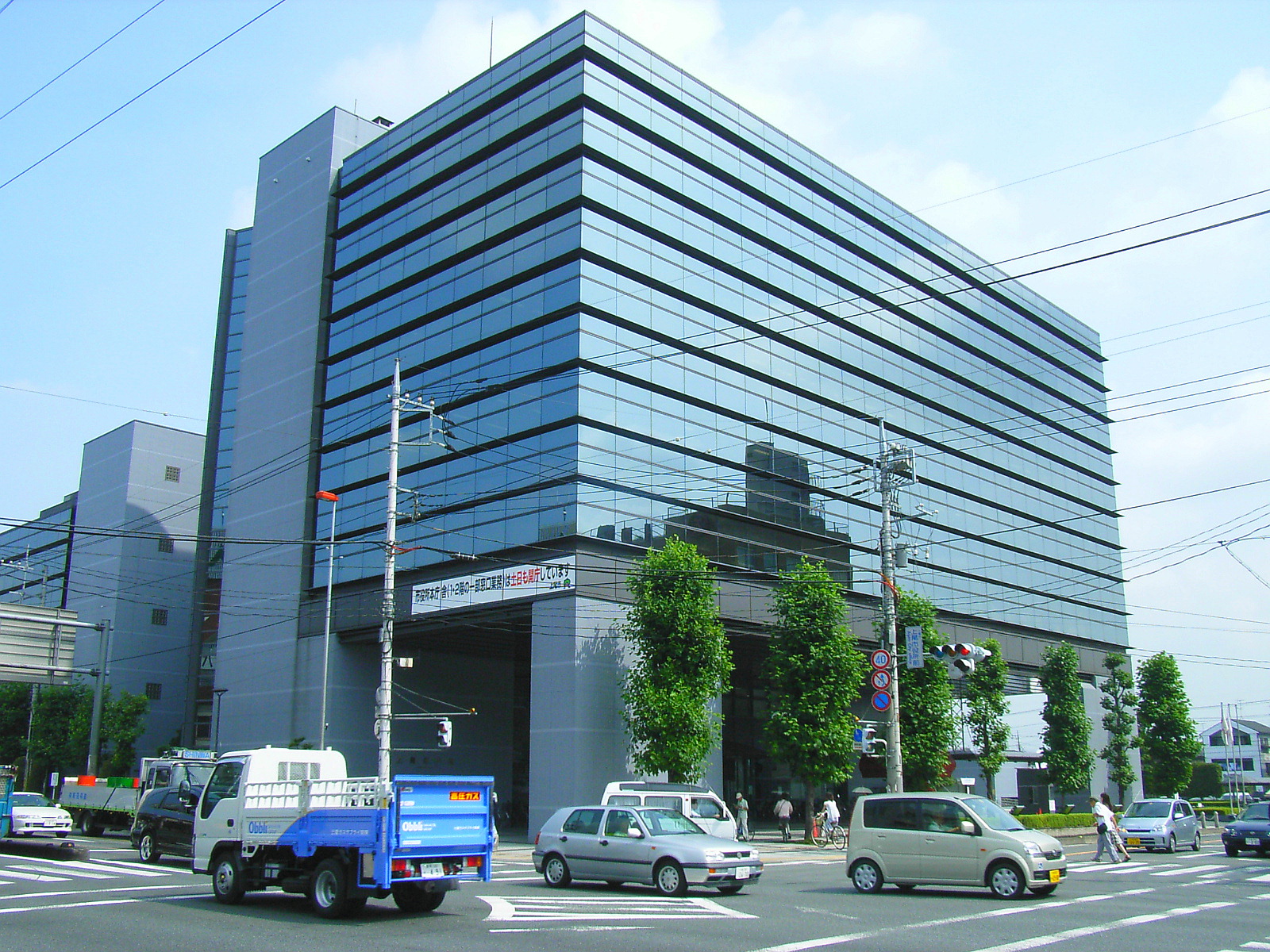
Ageo
Introduction
Ageo is a city in Saitama Prefecture, Japan. It sits within a compact area of roughly 45 square kilometres, and its population lives at a high density across the city's households.
Before you go
Before you go, be aware that the local tourist association maintains a guide site, but it is available in Japanese only. If you do not read Japanese, plan to gather your practical details from other sources before you arrive.Getting there
Ageo is served by Ageo Station, which sits on the East Japan Railway Company's Takasaki Line. Arriving by train is the straightforward option, with the station acting as your entry point to the city.
Getting around
Ageo is compact and flat, so the practical approach is to anchor yourself near a station and combine rail, the local people-mover, buses, and walking. Ageo Station is the main hub, served by JR East on the Takasaki Line, which connects the city to Saitama City, Tokyo, and the wider region; Kita-Ageo, also on the Takasaki Line, gives the north of the city its own rail access. The Saitama New Urban Transit "New Shuttle," a rubber-tyred people-mover, stops at Haraichi and Shōnan within Ageo and reaches parts of the city the Takasaki Line does not serve directly. Because the New Shuttle is a separate operator from JR, a JR ticket will not cover it. Local buses fill in the gaps between stations and residential and commercial areas, with the usual Japanese conventions: on many routes you board at the rear and pay on exit, and fares are paid per ride rather than through a flat citywide pass.
An IC card such as Suica or PASMO is the simplest option, working across JR, the New Shuttle, and most buses, though it is worth keeping small change for buses and taxis. Taxis are metered and useful for short trips, late-night travel, or awkward addresses, and ranks are usually found at or near the main stations; ride-hailing has a more limited presence, so a rank or a hotel arrangement is more reliable. The area around Ageo Station is the most walkable part of town, and the city's flat, mountain-free terrain makes walking comfortable in good weather, but for destinations farther out you will want to combine walking with the train, the New Shuttle, or a bus. Summers are warm and humid and September is the wettest month, so plan for heat and carry rain gear in early autumn. Ageo has no airport of its own: expect a two-stage journey, travelling from the airport into Tokyo or Saitama and then connecting to the Takasaki Line to Ageo Station.
Where to stay
< p>Ageo is a compact city, and its accommodation is concentrated around the area served by the Ageo Tobu Hotel, on Kashiwaza 1-1-21. This is the main option to build your stay around, and its position makes it a practical base for exploring the city and the surrounding area.Food & drink
For sushi, head to Sushi-Ichiba Rikuzen in the Fuji Building on the first floor, a short walk from Ageo Station. The source lists no other specific places to eat, so plan your meals around what you find near the station and in the surrounding streets. The source gives no details on drinking spots, so there is nothing specific to recommend for nightlife or bars.What to see and do
Ageo offers little in the way of conventional sightseeing, and the source material records no specific attractions, landmarks or activities to seek out. Rather than chase a checklist, treat the city as a place to slow down and get a feel for everyday life in Saitama Prefecture. With no named sights to build an itinerary around, your time is best spent wandering on foot and letting the city reveal itself at its own pace.When to go
Ageo has a humid subtropical climate, so the year splits into a warm, humid summer and a cool winter. Summer heat builds to its peak on average in August, when muggy conditions and the heaviest temperatures of the year settle over the city. If you prefer milder conditions, plan around this stretch rather than through it.
September is the wettest month, so rain is more likely then than at any other point in the calendar; build some flexibility into your plans if you travel in that period. Winters are cool with little to no snow, and January is the coldest month on average. Snow is uncommon, so the season tends to bring cold, dry-feeling days rather than winter storms.
Three days in Ageo
Day one: Arriving in Ageo is straightforward if you come by rail. Ageo Station is served by the East Japan Railway Company, and the Takasaki Line connects it to Saitama City and on to Tokyo. An IC card such as Suica or PASMO makes the trip simple, and taxis wait outside the station if you prefer not to walk. Settle in and get your bearings around the station area before dinner.
Day two: Use the New Shuttle, the transit line of the Saitama New Urban Center, to reach Haraichi and see a different side of the city. Because the JR local lines and the New Shuttle cover different ground, it is worth planning your day around one or the other rather than doubling back. For sushi, Ichiba Rikuzen in the Fuji Building is a place to keep in mind.
Day three: Summers here are warm and humid, and September still holds plenty of heat, so build in time to rest indoors during the middle of the day. Ageo sits in Saitama Prefecture, close enough to Tokyo for a half-day trip if you want one, and the Shōnan area is another option for a change of scene. Rather than rushing between sights, let the day move at an easy pace.