Kishiwada
Introduction
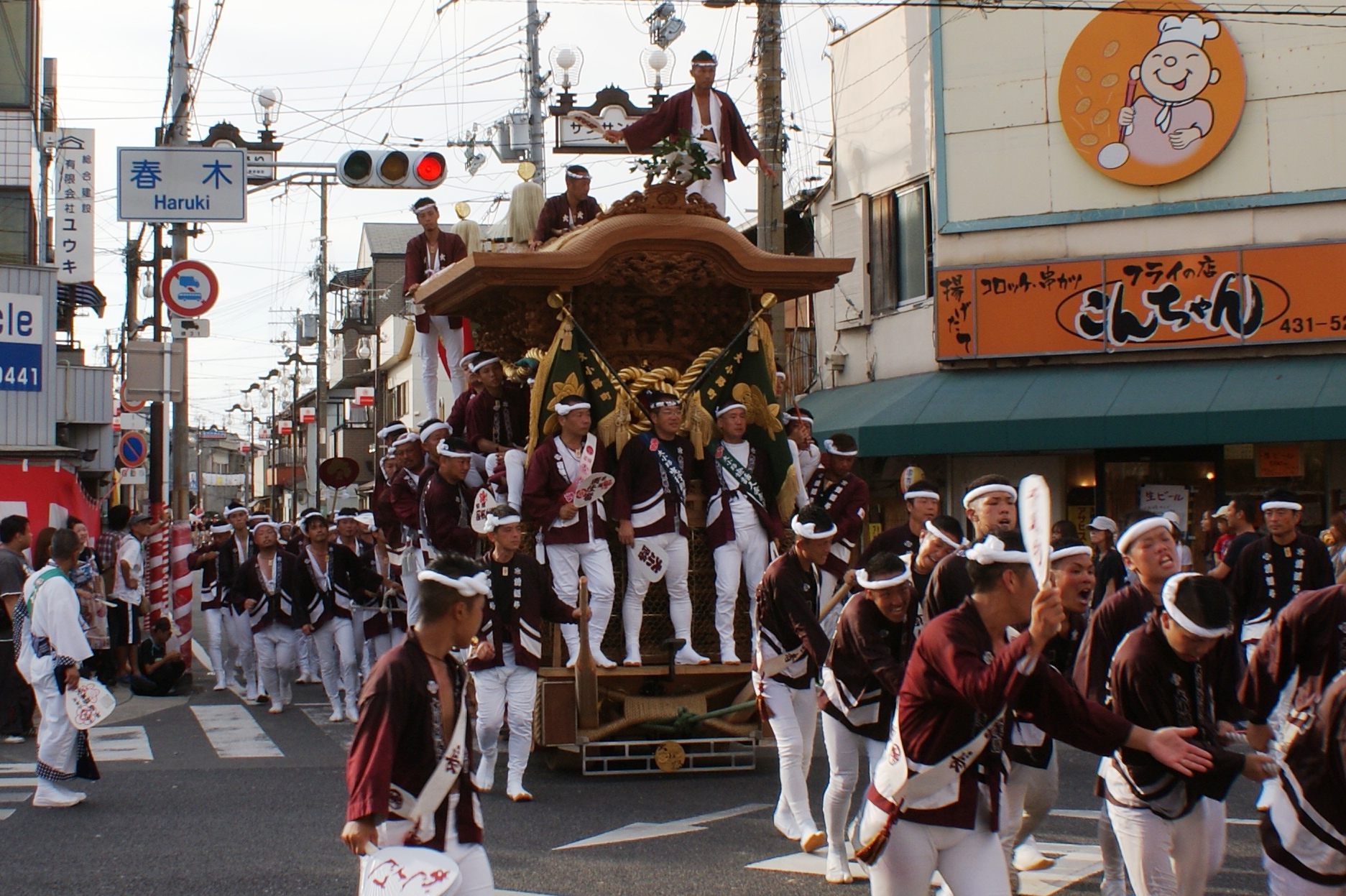
Kishiwada is a city in Osaka Prefecture, Japan, known above all for its Danjiri Matsuri. Beyond that festival, it is a place of roughly 90,000 households spread across a modest area, with a population density that reflects its position within one of Japan's most built-up regions.
For a visitor, the city's identity is bound up with that celebration, which is the main reason travellers seek it out. Plan your time around the Danjiri Matsuri if you want to see Kishiwada at its most characteristic, and treat the rest of the city as a quiet, everyday corner of Osaka Prefecture.
When to go
Kishiwada has a humid subtropical climate, so your timing mostly comes down to how you handle heat and rain. Summer builds steadily and peaks in August, the hottest stretch of the year, when conditions turn warm and humid. If you visit then, expect to move slowly and plan around the heat.
Winter is the other extreme: cool and chilly, with January the coldest month on average, though snow is light to nonexistent, so you are unlikely to deal with snow cover. The main thing to watch is rain — September is the wettest month, the period most likely to bring heavy downpours, so plan for wet conditions if you travel then.
Three days in Kishiwada
Day one: Start in Kishiwada, in Osaka Prefecture, Japan, and get your bearings in the city before the festival crowds arrive. If you are visiting in September, the streets are still warm, so take your time and plan around the Danjiri Matsuri, which shapes the rhythm of the city in late summer.
Day two: Give the day to the Danjiri Matsuri itself. In August the festival is at its height, and the neighbourhoods fill with the sound and movement of the danjiri. Beyond the main spectacle, watch how each district takes part, and let the day run long into the evening.
Day three: If you are here in winter, January offers a quieter Kishiwada, when you can walk the same streets without the summer crowds. For a different pace, plan a slower day and see how the city looks once the festival has passed.